


Real estate videography is the professional planning, filming, and editing of cinematic property videos that turn online attention into showings. From our Maple Ridge base at 13260 236 St, we produce 4K tours, vertical reels, drone flyovers, and 2D floorplans so buyers understand flow, light, and scale—and agents win more qualified inquiries.
By Sumeet S. — Founder & CEO, Silver Valley Studios Inc.
Last updated: 2026-06-02
At a Glance
This complete guide explains what real estate videography is, why video tours drive more showings, and how we plan, film, and edit for results. You’ll see the main formats (cinematic, vertical, drone), our best practices, the tools we use, Maple Ridge–specific tips, FAQs, and next steps to book a shoot.
Use this section to skim the value you’ll get from the guide, then jump into any area with confidence.
- Clear definitions and buyer-focused benefits
- Step-by-step process: preproduction → shoot → post
- Formats that perform: 60–120s tours, 20–45s reels, drone
- Checklists, gear, deliverables, and pro tips
- Local guidance for Maple Ridge and BC seasons
What Is Real Estate Videography?
Real estate videography is the craft of telling a property’s story in motion using composition, movement, sound, and editing. Unlike photos, video conveys flow, scale, and light transitions so viewers pre‑qualify faster and spend longer engaging with your listing across MLS, YouTube, and social platforms.
At Silver Valley Studios Inc., we combine cinematic 4K coverage, smooth gimbal work, vertical edits, and drone sequences to show how spaces connect. That perspective helps buyers feel the layout—not just see stills—and helps realtors stand out in competitive Greater Vancouver and Vancouver Island markets.
What video adds beyond photos
- Flow: Smooth walk‑throughs explain how rooms connect (living → kitchen → patio).
- Scale: Wide lenses and motion clarify ceiling height, hallway width, and sightlines.
- Light: Time‑of‑day transitions reveal natural light patterns and mood.
- Context: Drone shows exterior approach, yard depth, and nearby amenities at a glance.
Here’s the thing: buyers act faster when they can visualize daily life. A 90–120 second tour paired with a floorplan helps people decide if the home fits their routines before they book a showing.
Where your audience watches
- Listing page: Main 4K tour embedded with photos and 2D floorplans.
- YouTube: Long‑form playback with chapters for each zone of the home.
- Instagram/TikTok: 20–45 second vertical cuts optimized for saves and shares.
- Email/CRM: Animated GIF teasers and short clips to warm your database.
Why Real Estate Video Tours Matter
Video tours boost attention, trust, and memorability. Short, cinematic edits increase watch time on listings and drive more social saves. Consistently using video also builds your agent brand, so each new listing compounds reach and recognition across your farm area.
We’ve found that teams who pair the main tour with a 20–45 second vertical teaser see stronger engagement across the board. More time-on-page means more opportunities for calls to action to convert—book a showing, request info, or join an open house.
- Attention: Motion and music naturally hold focus longer than text alone.
- Trust: Transparent walk‑throughs reduce surprises and pre‑qualify buyers.
- Recall: A branded intro/outro makes your name easier to remember.
For a broader marketing perspective on why professional video works, explore this practical overview from a respected video marketing source. It aligns with what we see daily on listings across Greater Vancouver.
How Real Estate Videography Works
A reliable workflow covers three phases: plan the story and schedule, capture steady footage with clean staging and light, then edit for pace, color, and sound. Deliver multiple versions optimized for MLS, YouTube, and vertical platforms so each channel performs.
In our experience, the smoothest shoots start with clarity: who the buyer is, which spaces sell the lifestyle, and what story beats we’ll cover in 60–120 seconds. That way, every shot supports the outcome—more showings.
Preproduction (24–72 hours out)
- Discovery: Buyer profile, must‑have rooms, and brand tone.
- Shot list: Exterior approach, foyer reveal, kitchen hero, primary suite, outdoor living.
- Prep checklist: Declutter, window cleaning, bulbs matched, blinds aligned, pet plan.
- Weather plan: Golden hour exterior if clear; rain backup slot if needed.
Production (2–4 hours on site)
- Staging trims: Align chairs, fluff pillows, hide cords and countertop extras.
- Lighting: Balance mixed color temperatures; use available light first.
- Camera movement: Slow gimbal slides; avoid quick pans or tilt whips.
- Audio: Capture clean nat‑sound for subtle depth; optional voiceover.
Postproduction (24–72 hours)
- Edit: Intro hook in first 3–5 seconds; 6–10 scene beats total.
- Color: Natural, consistent whites; skin tones accurate for agent cameos.
- Music: Energy matched to property type (family home vs. luxury penthouse).
- Captions: Sound‑off friendly; logo sting under 1.5 seconds.
Process and deliverables at a glance
| Stage | Primary Tasks | Owner | Typical Duration | Output |
|---|---|---|---|---|
| Preproduction | Discovery, shot list, prep checklist, schedule | SVS + Agent | 24–72 hours | Call sheet + run‑of‑show |
| Production | Staging trims, gimbal walk‑throughs, drone | SVS | 2–4 hours | 4K source footage |
| Postproduction | Edit, color, music, captions, brand sting | SVS | 24–72 hours | Master + vertical cut |
Want this handled end‑to‑end? Explore our videography services and real estate media packages to see how we bundle photos, video, drone, and 2D floorplans.
Types of Real Estate Videos and When to Use Them
Use a 90–120 second cinematic tour for the listing page, a 20–45 second vertical edit for social reach, and concise drone sequences for exterior context. Add an agent intro/outro when brand recognition matters and a voiceover when layout or neighborhood details need clarity.
Core formats we deliver
- Cinematic tour (90–120s): The anchor asset for MLS and YouTube.
- Vertical teaser (20–45s): Optimized for Instagram Reels and TikTok.
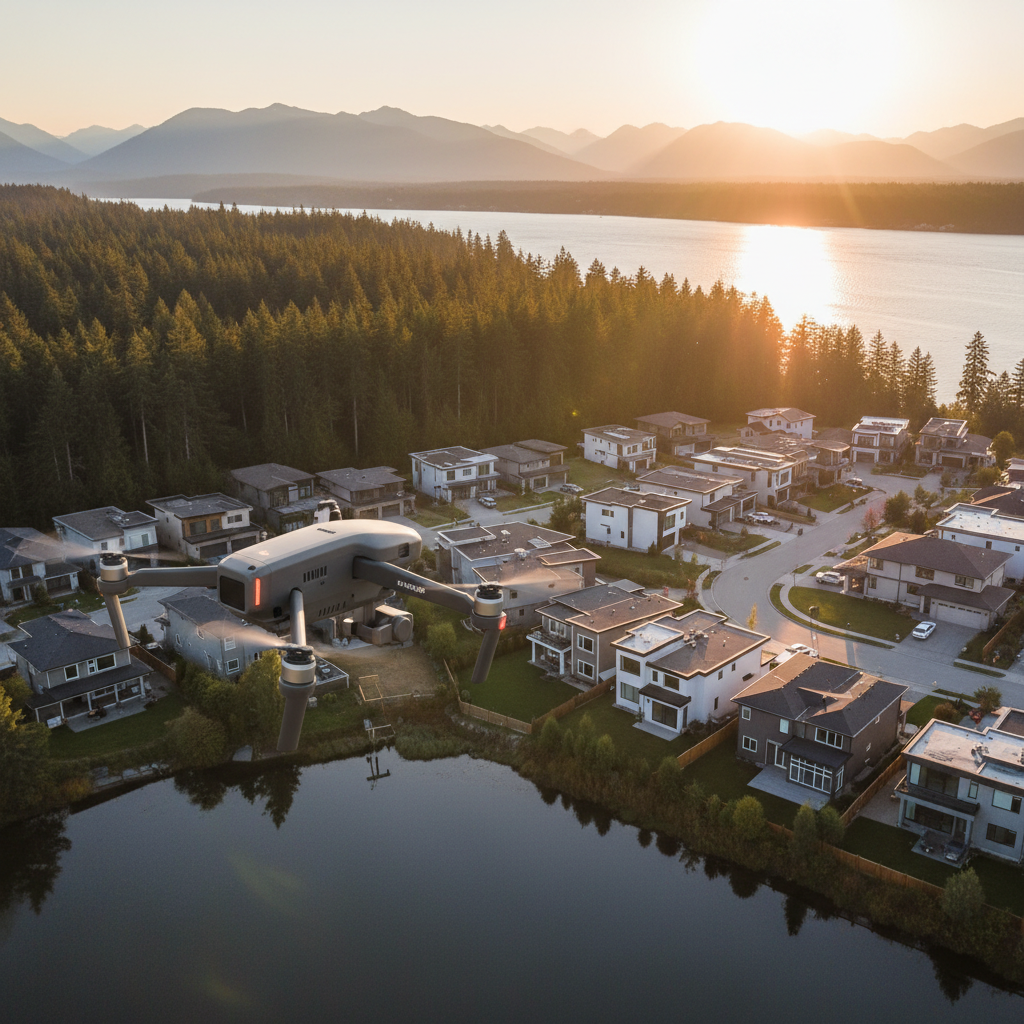
- Drone sequence (15–45s): Approach, orbit, and pull‑away for context.
- Agent intro/outro (5–10s): Your face builds trust and recall.
- Community snippets (10–20s): Lifestyle cues relevant to buyer priorities.
When to prioritize each
- Large lots/views: Drone clarifies access, privacy lines, and orientation.
- Tight condos: Vertical video highlights best angles and finishes quickly.
- New builds: Cinematic tour plus floorplan explains unoccupied spaces.
- Luxury listings: Voiceover or on‑camera delivery elevates perception.
If you’re exploring virtual tours conceptually, this primer on virtual tour content offers helpful framing; we adapt these ideas into cinematic, human‑centered films rather than purely automated fly‑throughs.
Best Practices for Real Estate Videography
Start with a clean, decluttered set, balance color temperatures, and move the camera slowly. Edit for the viewer’s attention: hook early, keep 6–10 concise beats, and finish with a clear call to action. Pair the main tour with a vertical teaser to multiply reach.
On‑site fundamentals
- Declutter: Clear counters, remove fridge magnets, hide pet bowls and trash cans.
- Lighting: Keep white balance consistent; open blinds evenly for symmetry.
- Motion: Slow gimbal slides; avoid stepping vibrations by using soft footwear.
- Continuity: Doors and blinds in the same position from angle to angle.
Editing for performance
- Hook: The most desirable scene within 3–5 seconds.
- Pacing: 6–10 total scenes; lingers on hero features for 2–4 seconds each.
- Sound‑off: Captions baked in; agent name and logo held under 1.5 seconds.
- Thumbnails: Clean, well‑lit cover image that reads on mobile.
For a high‑level listing presentation perspective, see this overview of listing tactics. We fold similar principles into each production plan so your media package feels cohesive and seller‑friendly.
Tools and Resources We Trust
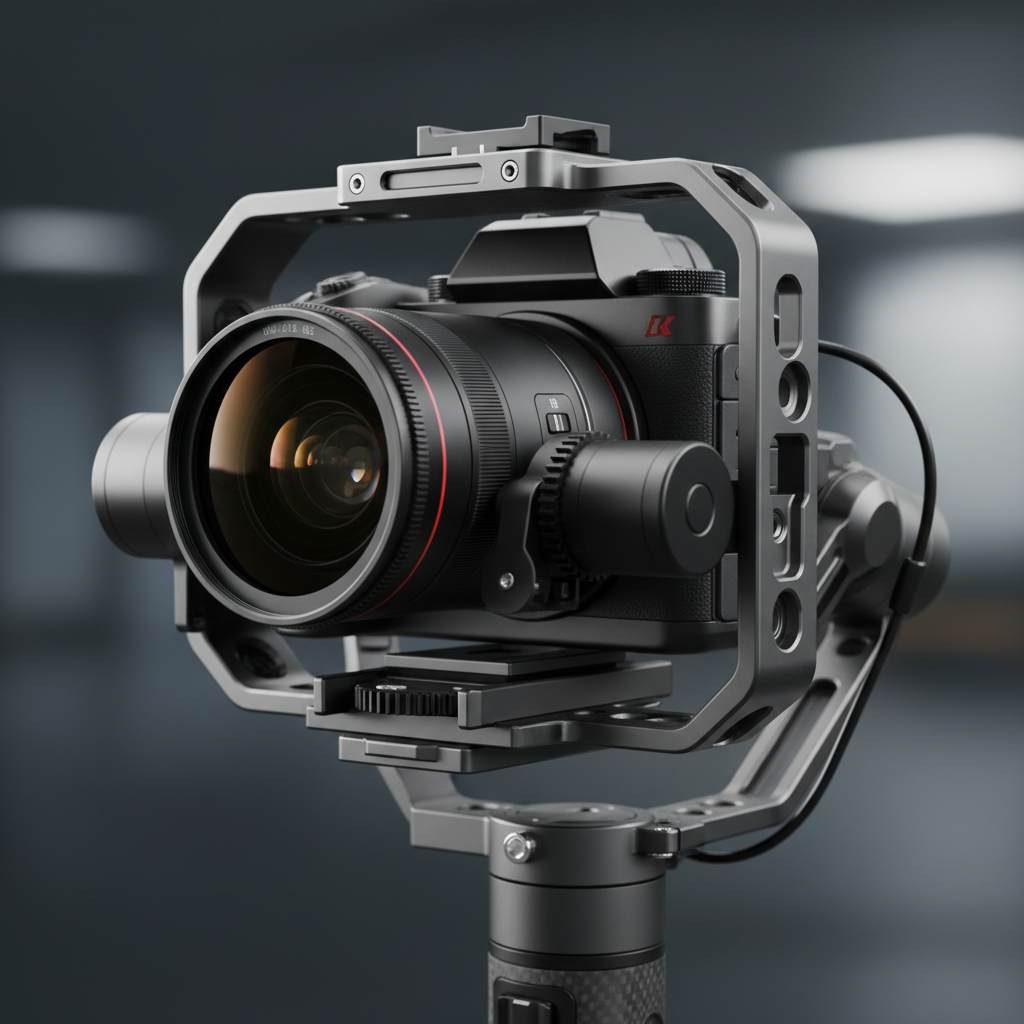
We use full‑frame mirrorless bodies, stabilized 14–35mm lenses, 3‑axis gimbals, variable ND filters, and color‑managed workflows. The goal is simple: footage that looks natural, feels stable, and grades consistently across MLS, YouTube, and mobile‑first platforms.
Gear helps, but strategy wins. We match lenses, movement, and music to the property type and buyer profile so the video sells a lifestyle—morning coffee on the patio, a quick commute, or weekend gatherings in the great room.
- Cameras: Full‑frame mirrorless bodies recording in LOG for flexible grading.
- Lenses: 14–35mm stabilized glass for interiors; 50mm for detail cutaways.
- Stabilization: 3‑axis gimbals, sliders; tripod for lock‑offs.
- Filters: Variable ND to keep shutter angles cinematic without overexposure.
- Color: Calibrated monitors and repeatable LUTs for natural whites.
- Audio: On‑camera nat‑sound and optional lav for agent delivery.
Want to see how we combine this toolkit across property types? Browse our portfolio for recent residential and commercial examples, or review this commercial office case study to see our approach in non‑residential spaces.
Case Studies and Examples from Greater Vancouver
Across Maple Ridge, Surrey, and the broader Lower Mainland, combining photos, tour video, drone, and 2D floorplans drives longer watch times and better inquiries. These brief scenarios show how we tailor story, timing, and deliverables to the property and buyer.
New‑build detached (Maple Ridge)
- Challenge: Unfurnished space felt cold online.
- Plan: Warm color grade, morning light, lifestyle b‑roll (coffee, doors opening).
- Deliverables: 110s main tour, 30s vertical, hero photos, 2D floorplan, drone orbit.
- Outcome: Longer watch time and quicker qualified showings.
Townhome (Coquitlam)
- Challenge: Multi‑level flow confused buyers in stills.
- Plan: Directional walk‑through explaining level changes and storage zones.
- Deliverables: 95s tour, 25s vertical, annotated floorplan.
- Outcome: Fewer redundant questions for the listing agent.
Acreage property (Langley)
- Challenge: Size and access hard to convey without context.
- Plan: Drone approach + pull‑away, sunset exterior, utility building cutaways.
- Deliverables: 120s tour, 40s vertical, drone mini‑package, 2D floorplan set.
- Outcome: Clearer buyer expectations; better in‑person fit.
Curious how this would look for your next listing? Start with our videography services and then explore full media packages that add HDR photos and floorplans for a cohesive launch.
Real Estate Videography in Maple Ridge, BC
Real estate videography in Maple Ridge, BC benefits from long summer daylight, dramatic fall color, and quick‑changing winter weather. We plan exteriors around light windows, build rain contingencies, and emphasize outdoor living—features buyers here consistently value when short‑listing homes.
Local timing, weather, and buyer behavior matter. We focus exterior sequences around the best natural light, protect floors during wet weeks, and adapt schedules fast when storms roll through. For family buyers, we highlight storage, mudroom flow, and backyard usability because those details drive decisions.
Local considerations for Maple Ridge
- Book exteriors during longer summer evenings to capture warm, inviting light.
- Keep flexible rain plans in fall and winter; we bring entry mats and floor protection.
- Feature outdoor living and storage solutions—key lifestyle priorities for many buyers.
Ready to align timing and story with local conditions? Reach out via our contact page and we’ll tailor a plan for your upcoming listing.
Related Topics in Photography
Great listing content goes beyond video. Pair tour films with HDR photos, 2D floorplans, and short‑form social clips to strengthen every buyer touchpoint. Cohesive media increases watch time, saves, and inquiries across MLS, YouTube, and Instagram.
If you’re building a repeatable launch playbook, review our real estate media services and browse recent projects. For commercial teams, this office case study shows how we adapt storytelling to non‑residential spaces while keeping brand tone consistent.
FAQ: Real Estate Videography
These quick answers cover common buyer and seller questions about formats, timing, and logistics. Each response is concise and actionable so you can plan your next listing confidently without guesswork.
What video length works best for listings?
Aim for 60–120 seconds for your main cinematic tour and 20–45 seconds for a vertical teaser. This balance fits MLS and YouTube while maximizing reach on Instagram and TikTok without losing attention.
Do I really need drone footage?
Use drone when lot size, approach, or views influence value. A brief approach, orbit, and pull‑away can clarify privacy, orientation, and access in seconds—especially helpful for acreages or view properties.
Should the agent appear on camera?
If brand recognition matters or the layout needs context, yes. A 5–10 second intro or outro builds trust and recall without distracting from the property. Keep it short and clearly miked or captioned.
How soon should I schedule video before going live?
Plan 3–7 days prior to launch. This window allows for staging, optimal weather for exteriors, and final edits, plus time to prep your MLS, YouTube, and social assets with consistent titles and thumbnails.
Conclusion and Next Steps
A strategic video tour helps buyers visualize life in the home, pre‑qualifies interest, and elevates your brand. Pair a 60–120 second cinematic edit with a 20–45 second vertical teaser, add drone when context matters, and keep color and pacing consistent for a polished look.
- Key takeaways:
- Plan story beats before you shoot; lead with the hero scene.
- Keep motion slow and color true to life across rooms.
- Deliver multiple cuts for MLS, YouTube, and vertical platforms.
- Use a simple CTA so viewers know the next step.
- Action steps:
- Review our videography services.
- Browse our portfolio to refine your style.
- Message us on the contact page to lock in dates.
Ready to roll on your next listing? Book a discovery call and we’ll design a Maple Ridge–ready plan that fits your timeline and target buyer.