


Real estate photography fees are the professional charges for creating listing-ready photos, video tours, floorplans, and aerials that market a property. For Maple Ridge and BC sellers and agents, fees reflect scope, prep time, licensing, and turnaround. At Silver Valley Studios Inc., we align deliverables to your goals so your media works hard online.
By Silver Valley Studios Inc. — Founder & CEO: Sumeet S.
Last updated: 2026-06-03
Above the Fold: Why This Guide Matters + What You’ll Learn
Use this guide to understand what drives real estate photography fees, how deliverables and usage rights shape value, and how to plan shoots that perform. You’ll get a simple framework, checklists, and examples rooted in Maple Ridge and Greater Vancouver campaigns.
- What “real estate photography fees” actually cover across photo, video, floorplans, and drone
- How scope, licensing, timelines, and coordination influence value
- Actionable planning checklists and a fee-driver matrix (no pricing disclosed)
- Maple Ridge and BC-specific tips for seasonality and logistics
- Real examples from Silver Valley Studios across listings and brand content
- Jump to: What it is • Why it matters • How it works • Types • Best practices • Tools • Fee drivers • Examples • FAQ • Next steps
Quick Summary
Real estate photography fees reflect deliverables, property readiness, coordination, and licensing. Plan for the media you need, prepare spaces well, and give clear timelines. The result is consistent assets—often 20–35 listing photos, 4K video clips, floorplans, and aerials—that boost online engagement and showings.
- Scope shapes value: interiors, exteriors, twilight, drone, floorplans, and video each add production steps.
- Readiness matters: decluttering can cut on-site time by 20–30% and improve image quality.
- Turnaround expectations: many agents aim for 24–48 hour photo delivery for MLS momentum.
- Usage clarity: listing-only vs. brand/ads licensing determines where and how assets can be used.
What Are Real Estate Photography Fees?
Real estate photography fees are professional charges that cover planning, capture, editing, and licensing for property media. Fees align to deliverables—photos, 4K video tours, 2D floorplans, and drone footage—and reflect time on site, post-production, and rights to use the content.
In our work across Maple Ridge and Greater Vancouver, “fees” cover a complete production arc. That includes scheduling, property prep guidance, on-site capture, HDR blending, color balancing, sky/window replacement when required, floorplan drafting, and video assembly.
- Photography deliverables: typically 20–35 MLS-ready images, covering exteriors, main living areas, kitchens, baths, bedrooms, and key amenities.
- Video tours: cinematic or walkthrough edits, often 30–90 seconds for social, and 1–3 minutes for listings; common frame rates are 24/30 fps for mood, 60 fps for smooth motion.
- 2D floorplans: clear measurements and room labels; buyers spend more time on listings with accurate plans.
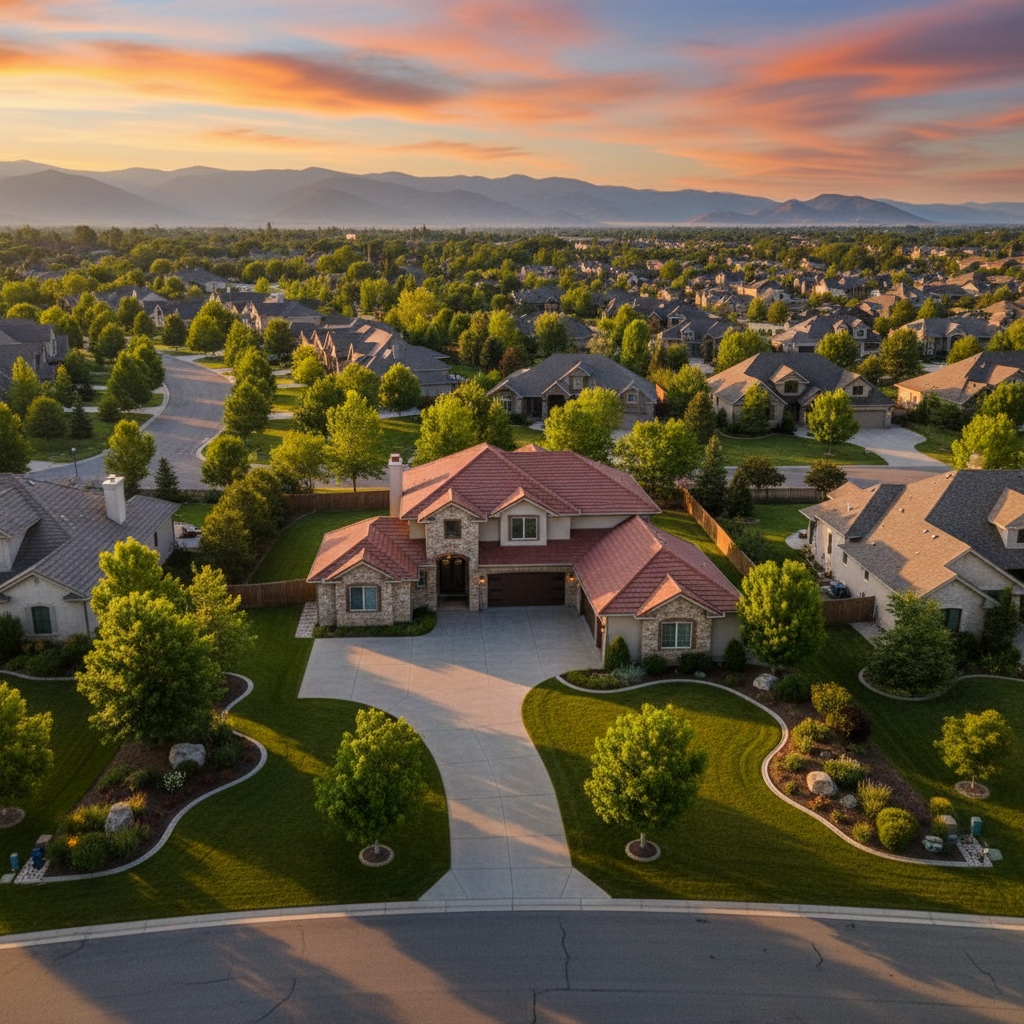
- Drone media: aerial angles show lot lines, proximity, and neighborhood context; many North American jurisdictions favor operations under 400 ft AGL.
For clarity, “fees” also reflect usage. Listing-only usage differs from broader brand or advertising use. The latter extends visibility and typically requires rights beyond the active listing.
Why Real Estate Photography Fees Matter
Fees matter because they align investment to outcomes: speed to market, online engagement, and brand reputation. Well-planned media drives saves, shares, and showing requests. Organized pre-production also reduces reshoots and protects timelines for busy teams.
We see consistent patterns across Greater Vancouver: listings that launch with complete media—photos, video, floorplans, and drone—earn more qualified attention. Many agents aim for a fast turn, often targeting photo delivery within 24–48 hours to capture fresh-listing momentum.
- Buyer behavior: scannable galleries with 20–30 images help viewers decide within seconds whether to book a showing.
- Social performance: vertical clips (9:16) improve watch time on Instagram and TikTok; 3–5 hooks per clip raise retention.
- Brand lift: consistent visuals across listings build recognition; teams that standardize templates save coordination time week to week.
- Operational reliability: clear briefs reduce on-site time by up to 30% and minimize follow-up shoots.
If you lead a Maple Ridge or BC team, the message is simple: define outcomes first. Do you want more saves? More in-person views? Faster days on market? Align the media plan to those results and structure your schedule around them.
How Real Estate Photography Fees Work (From Inquiry to Delivery)
Fees map to a repeatable workflow: discovery and scope, scheduling, on-site capture, post-production, and delivery with licensing. Each step adds time and expertise, so clear briefs, ready spaces, and fast feedback keep projects on schedule.
At Silver Valley Studios, our end-to-end flow keeps deliverables predictable across photos, video tours, 2D floorplans, and drone:
- Discovery (10–20 minutes): goals, must-have rooms, and any brand assets. We align on count, style, and turnaround targets.
- Scheduling: we match natural light windows; interiors often look best late morning to early afternoon; twilight exteriors aim for 20–30 minutes after sunset.
- Prep guide: declutter, stage, and check bulbs. A tidy kitchen and bathroom alone can save 10–15 minutes on site.
- Capture: typical sessions span 60–120 minutes depending on home size and add-ons (video, floorplans, or aerials).
- Post-production: HDR blending often involves 3–7 exposures per frame; export for web at 2048–2560 px on the long edge to balance quality and speed.
- Delivery & licensing: images organized by room; video in 4K/1080p; vertical cuts at 9:16; usage scoped to listing or broader brand use.
Turnarounds are coordinated in advance. For many MLS timelines, photos ship within 24–48 hours and video within 2–4 days depending on complexity and revisions. Floorplans typically finalize within a similar 24–48 hour window after capture.
Local considerations for Maple Ridge
- Weather windows: BC clouds are common; plan alternates for blue-sky exteriors or schedule sky replacements when needed.
- Seasonality: spring blooms and fall color add curb appeal; book 1–2 weeks ahead during peak months to secure daylight slots.
- Access and parking: some strata and cul-de-sacs require brief coordination; buffer 10–15 minutes for site orientation.
Need help translating goals into deliverables? Our services overview breaks down photos, video, floorplans, and drone into clear options you can mix and match.
Types of Deliverables and Approaches That Influence Fees
Deliverables drive scope. Interior/exterior photos, twilight sets, 4K video tours, 2D floorplans, vertical clips, and drone all add distinct capture and editing steps. Pick only what supports your listing goals to manage timelines and maximize impact.
Core real estate media
- HDR Photos: balanced windows and interiors via 3–7 bracketed exposures; typical exports at 300 dpi for print and optimized web sizes for MLS speed.
- Cinematic 4K video: gimbal moves, reveal shots, and speed-ramped transitions; social cuts at 15–30 seconds perform well for hooks.
- 2D Floorplans: clean line work, accurate room labels, and total square footage; buyers often check dimensions before gallery deep-dives.
- Drone/Aerial: rooflines, lot context, and neighborhood proximity; plan for wind thresholds under ~20 mph for smooth footage.
Social-first content
- Vertical video (9:16): quick b-roll loops, agent intros, and “3 features you’ll love” hooks; keep scenes 1–2 seconds to sustain watch time.
- Storyboarded reels: 5–7 scenes with on-screen beats; aim for 800–1200 lux on faces for clean skin tones.
Enhancements and add-ons
- Twilight exteriors: 20–30 minutes of peak blue hour; interiors lights on; great for luxury curb appeal.
- Detail studies: fixtures, finishes, and textures; often 6–10 macro frames for marketing highlights.
- Amenity coverage: gyms, lounges, rooftop decks; 8–12 frames tell a full building story.
For deeper dive on motion options, our videography services page outlines cinematic walkthroughs and social-first approaches we use across Greater Vancouver.
Best Practices to Get the Most From Your Fees
Maximize value by aligning media to buyer intent, preparing the property, and streamlining feedback. Clear briefs, checklists, and time-boxed reviews accelerate delivery and protect listing dates without reshoots.
Plan to outcomes
- Define the buyer profile (downsizers, families, investors) and prioritize scenes accordingly.
- Pick a gallery length before the shoot—e.g., 24, 30, or 36 images—to guide pacing.
- Decide on video tone: calm lifestyle at 24 fps, or crisp walkthrough at 60 fps.
Prepare the space
- Declutter surfaces, swap burnt bulbs, and align blinds; kitchens and baths deliver the biggest visual return.
- Stage focal points: pillows fluffed, throws folded, and fresh greens; small touches lift perceived quality.
- Pets and people off-stage; plan 60–120 minutes of quiet capture time.
Streamline revisions
- Centralize feedback within 24 hours; a single round reduces back-and-forth by half.
- Flag any MLS naming conventions early; consistent filenames speed uploads.
- Request both web and print exports up front to avoid re-exports later.
Free planning chat: Unsure which media mix suits your listing? Book a quick consult and we’ll map a lean deliverable set that fits your goals—no pressure. Visit our contact page to start.
Tools and Resources We Use (So You Know What to Expect)
Expect pro-grade cameras, stabilized motion tools, accurate floorplan capture, and color-managed editing. We design every step to deliver consistent files across MLS, print, and social—fast and reliable for busy teams.
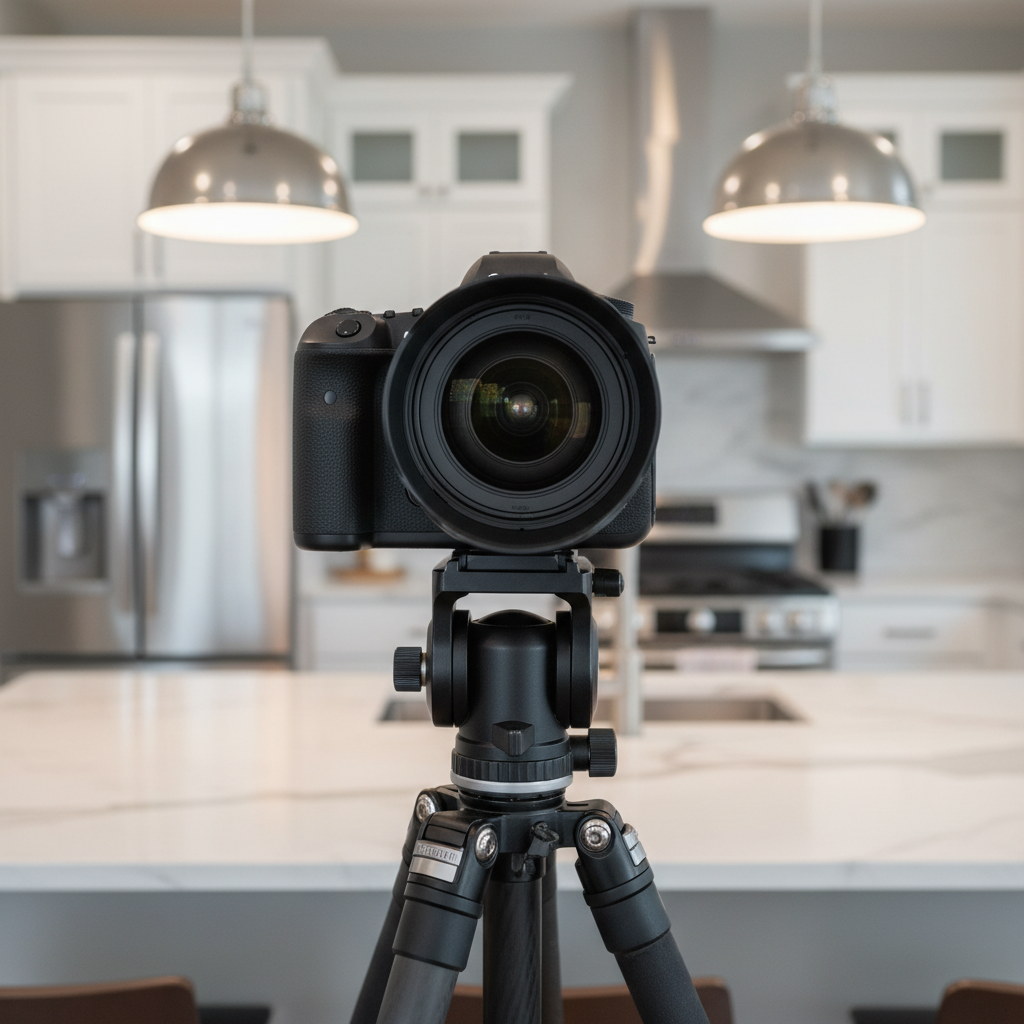
- Cameras and lenses: full-frame bodies, 16–35mm for interiors, 24–70mm for details; color charts ensure neutral whites.
- Stabilization: gimbal moves for buttery video; tripod work for precise verticals and bracketed HDR.
- Lighting: natural-light first; off-camera flash as needed; window pulls for tricky views.
- Floorplan tools: laser-accurate measurement; clear labeling and total square footage callouts.
- Delivery: organized galleries, 4K and 1080p video files, vertical cuts, and branded slates when requested.
Browse our portfolio for commercial and residential samples, or see a recent commercial office project to understand how we light, frame, and color-balance spaces consistently.
Pricing Factors: The Fee-Driver Matrix (No Prices)
Fees scale with scope, complexity, timeline, and usage. Add-ons like drone or twilight increase capture time; fast turnarounds add post-production intensity; broader licensing expands value. Use this matrix to plan lean and avoid scope creep.
| Factor | What It Means | Impact on Work | How to Optimize |
|---|---|---|---|
| Property size | More rooms and angles | Longer on-site time | Pre-pick 24–36 gallery targets |
| Readiness | Decluttering, staging | Fewer retakes | Use a 12-point prep checklist |
| Lighting/window views | Bright scenes, tricky views | HDR/flash time | Schedule best daylight |
| Add-ons | Drone, floorplans, twilight | Extra capture/edit steps | Choose only goal-aligned |
| Turnaround | Delivery speed | Editing intensity | Share MLS date early |
| Licensing | Listing vs. brand/ads | Usage breadth | Clarify channels up front |
Marketing collateral can also amplify results. Feature sheets, for example, help buyers remember highlights at showings; see these practical feature sheet ideas. If you need print support, explore real estate printing options to keep branding consistent.
Case Studies and Examples (Maple Ridge + Greater Vancouver)
These quick scenarios show how aligning scope to goals delivers results. We trim waste, pick the right formats, and schedule for light. The outcome: faster delivery, stronger engagement, and clean brand continuity across channels.
Maple Ridge single-family listing
- Goal: high online engagement in first 72 hours.
- Plan: 28 HDR photos, 60–90s 4K walkthrough, 9:16 teaser at 20–25 seconds, and a clean 2D floorplan.
- Schedule: late-morning interiors; golden-hour exterior for warm front elevation.
- Result: gallery depth supported saves and booked showings within the first weekend.
Surrey townhouse with amenities
- Goal: highlight shared spaces to differentiate.
- Plan: 24 core photos + 8 amenity frames (gym, lounge, courtyard); 30-second vertical for social.
- Schedule: staggered capture during low-traffic windows; keep scenes 1–2 seconds for watch time.
- Result: amenity emphasis increased dwell time and comments on social posts.
Vancouver Island new-build showcase
- Goal: premium brand presentation for developer marketing.
- Plan: detail studies (fixtures, millwork), 4K lifestyle edit, aerials under calm wind (<20 mph), and comprehensive floorplans.
- Schedule: two sessions—one for construction clean, one for styled final; reduce edits by locking shot list.
- Result: cohesive media library used across print, site hero, and sales center screens.
To see how we translate goals into visuals, browse our portfolio, then explore tailored motion options on our videography services page.
Frequently Asked Questions
These concise answers clarify how we plan, capture, and deliver real estate media. They focus on scope, timelines, and usage—not pricing—so you can confidently prep your next listing.
How many photos do I actually need for a standard listing?
Most agents target 24–36 images to tell a cohesive story without redundancy. We prioritize exteriors, kitchen, living areas, primary suite, baths, and 1–2 key amenities. For large homes, add rooms strategically rather than repeating similar angles.
How fast can you deliver photos and video?
Photos typically deliver within 24–48 hours after capture, depending on complexity and revision needs. Video edits usually take 2–4 days. We lock dates and milestones during discovery to protect your MLS launch and marketing cadence.
What’s included in post-production for listing photos?
We balance color, correct lens distortion, blend HDR exposures for natural contrast, and tidy minor distractions. Window views and skies are optimized when needed. Files ship in web-ready sizes, with print exports on request.
Do you handle floorplans and aerials in the same visit?
Often, yes. When scheduling allows, we capture photos, floorplan measurements, and aerials in a single window, typically 90–150 minutes for average homes. Coordinating access and prep ahead of time keeps the day smooth.
What usage rights do I get for the media?
Standard rights cover the active listing across MLS, brokerage site, and common portals. Broader brand or paid-advertising use is available on request. We align licensing to your channels up front so there are no surprises later.
Key Takeaways and Next Steps
Align media to outcomes, prepare the space, and plan timelines with the team capturing your listing. This approach elevates quality, reduces retakes, and turns fees into predictable marketing results across MLS, social, and print.
- Decide early which deliverables move your buyer: photos, video, floorplans, drone.
- Prep the property; kitchens and baths punch above their weight in galleries.
- Time-box feedback to one concise round within 24 hours for speed.
- Clarify usage: listing-only or broader brand/ads to match your channels.
Ready to plan a Maple Ridge or Greater Vancouver listing? Start on our services overview, see motion options on videography services, or reach out via contact for a quick planning chat.
Related Articles
For deeper context on the Photography content cluster, review our core service pages and recent work. Explore the full Silver Valley Studios site, skim the services overview for mix-and-match deliverables, and tour our portfolio to see consistent lighting and framing approaches across projects.
For high-performing print collateral to pair with your media, you may find feature sheet examples useful, and this brief realtor fees explainer offers general context on broader transaction costs beyond media. If you need printing support, this real estate printing page outlines options to keep branding cohesive.