


An aerial videographer is a licensed drone camera operator who designs, captures, and delivers cinematic overhead footage to tell a property or brand story. From our Maple Ridge base at 13260 236 St, Maple Ridge, BC V4R 0G6, Canada, Silver Valley Studios uses aerial videography to showcase listings, developments, and local businesses across Metro Vancouver.
By Sumeet S., Founder & CEO — Silver Valley Studios Inc.
Last updated: 2026-05-06
Above the Fold: Why Aerial Videography Wins (and How to Use This Guide)
Aerial videography gives buyers instant spatial context: the lot, views, access, and neighborhood. Use this guide to plan your next shoot end-to-end—from storyboarding and permissions to flight moves and delivery—so your listing or brand film opens strong and earns more watch time and saves.
Here’s how to make the most of this complete guide for real estate teams, developers, restaurants, and SMBs:
- Understand what an aerial videographer does and when to hire one.
- See how drone video integrates with photos, 2D floorplans, and property video tours.
- Learn proven flight moves, safety steps, and delivery specs that drive engagement.
- Review gear, checklists, and templates we use at Silver Valley Studios.
- Study real Greater Vancouver examples you can model this week.
- What Is an Aerial Videographer?
- Why Aerial Videography Matters
- How Aerial Videography Works
- Types, Methods, and Approaches
- Best Practices for Hiring & Collaboration
- Tools, Gear & Resources
- Case Studies & Examples (Metro Vancouver)
- FAQ
- Conclusion & Next Steps
Summary
Hire an aerial videographer when you need cinematic, stabilized views that establish setting and scale in seconds. Pair these clips with HDR photos, 2D floorplans, and vertical edits to boost watch time, saves, and inquiries. This guide outlines the workflow, safety, moves, and deliverables that work in Maple Ridge and Metro Vancouver.
At Silver Valley Studios, we combine drone videography with real estate photography, property video tours, and 2D floorplans so buyers quickly grasp layout and lifestyle. The outcome: stronger listing pages and more qualified showing requests.
What Is an Aerial Videographer?
An aerial videographer is a trained drone operator who plans, films, and edits cinematic footage from above to tell a story. They manage airspace checks, flight paths, exposure, and motion to capture establishing shots, reveals, and orbits that give viewers clear spatial context.
In practice, an aerial videographer blends aviation awareness with cinematography. Great results come from pre-visualizing 8–12 must-have clips, flying safe, and editing for rhythm. For listings, we often combine 3–5 establishing shots with 4–6 dynamic moves that highlight nearby amenities and access routes.
- Story-first approach: Start with the end video in mind; design a 45–75 second master edit and 15–30 second vertical cut.
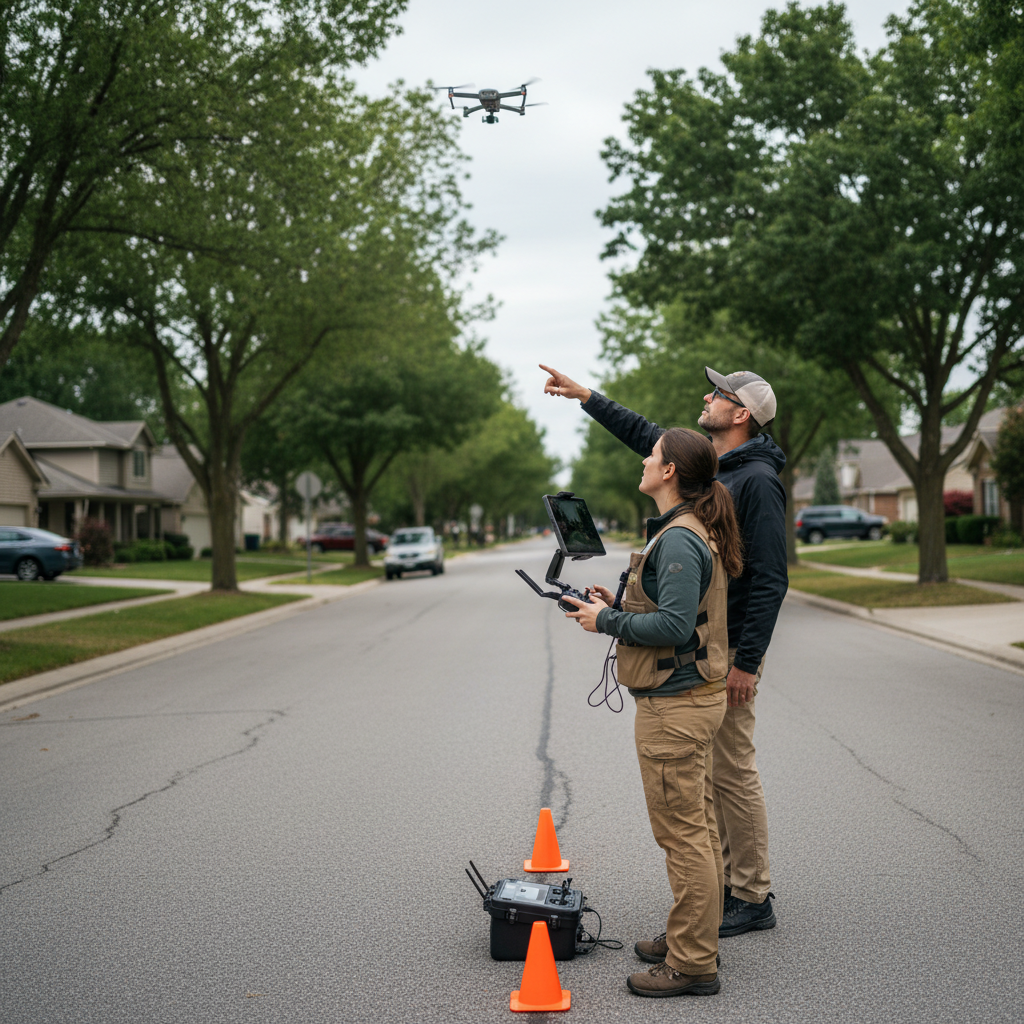
- Safety and compliance: Check airspace, plan takeoff/landing, maintain visual line of sight (VLOS), and use a spotter when needed.
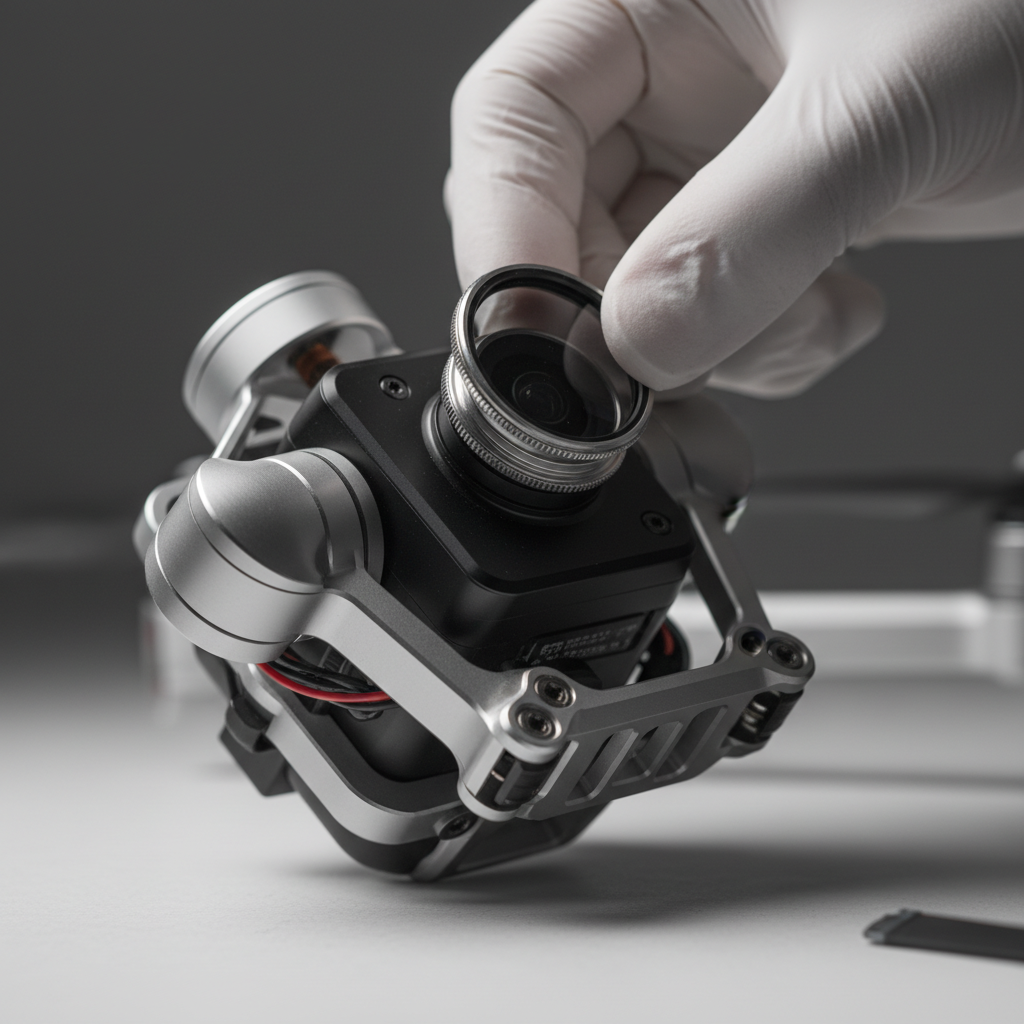
- Image quality: 4K capture, 10-bit color when available, ND filters for 1/50–1/100 shutter in daylight.
- Motion design: Slow, intentional moves (3–7 seconds per clip) that feel cinematic and watchable on mobile.
For real estate teams in Metro Vancouver, the aerial videographer’s job is to show location value quickly—views, privacy, schools, parks, and commute. We connect those dots in seconds so buyers stay longer on the page and hit “request a showing.”
Why Aerial Videography Matters
Aerial footage answers buyers’ first questions—Where is it? What’s around it? How private is it?—in under 10 seconds. Listings that resolve these questions upfront earn longer watch times and more shares, which often correlate with more qualified inquiries.
Most buyers start on mobile. That means your opening five seconds must earn a swipe-stop. Our Maple Ridge and Metro Vancouver clients see stronger engagement when aerial openers precede interior highlights and neighborhood context within the first 20–30 seconds.
- Spatial clarity fast: Overhead context shows lot lines, setbacks, and orientation without guesswork.
- Lifestyle framing: Proximity to trails, parks, transit, and schools is easier to communicate from above.
- Brand lift: Developers and SMBs use aerials to anchor brand films with credibility and place.
- Repurposing power: Cut long edits into 15–30 second verticals to feed Instagram and TikTok for weeks.
Pair aerials with HDR photography and floorplans so visitors can jump from big-picture context into room-by-room detail. We often add quick animated pins or tasteful motion graphics in the master edit to point out key amenities.
How Aerial Videography Works
The process runs in four phases: discovery, preflight, production, and delivery. Define goals, check airspace, design shot lists, and fly with intention. Then stabilize, color-balance, and cut for pace, exporting master and vertical edits for listings and social.
Discovery and Objectives
- Define the outcome: 45–75 second master film, 15–30 second vertical, and 4–6 still frames for thumbnails.
- Clarify viewers: Realtors want showing requests; developers want registrations; restaurants want reservations and follows.
- Align assets: Confirm ground photography, property video tours, and 2D floorplans to ensure continuity.
Preflight Planning
- Airspace & NOTAMs: Confirm local advisories and plan safe takeoff/landing zones with clear VLOS.
- Shot list: 8–12 priority clips: opening reveal, 2–3 orbits, 2–3 push-ins/pull-backs, and 1–2 top-downs.
- Look & feel: Golden hour when possible; overcast works well for consistent color and minimal glare.
Production Day
- Set exposure: ND filters to keep motion natural at 1/50–1/100 shutter, 24–30 fps, D-Log or flat profile.
- Fly the plan: Each clip 5–7 seconds; avoid abrupt yaw; keep moves smooth and low-parallax.
- Safety roles: Pilot-in-command plus spotter; cones mark the operation area; brief anyone on site.
Post-Production
- Stabilize & balance: Minor warp stabilizer, gentle denoise, and contrast lift; keep skin tones natural for lifestyle scenes.
- Sound design: 1–2 subtle SFX layers (wind bed, city hum) under music; tasteful at -18 to -12 LUFS integrated.
- Exports: Master 4K landscape, 1080p fallback, and 1080×1920 vertical; name files consistently.
We deliver a hero edit plus platform-optimized cuts. Many clients also request 6–10 captioned story clips pulled from the main timeline—a fast way to fill a week of content without extra filming.
Types, Methods, and Approaches
Blend steady cinematic moves (orbits, reveals, push-ins) with top-downs and tracking shots to cover context, access, and lifestyle. Choose cinematic drones for smoothness; use FPV only when speed or immersion adds value to the story.
Cinematic Moves That Work
- Establishing reveal: Rise from foreground trees to unveil the home in 3–4 seconds.
- Orbit: 180–360 degrees at 2–3 mph with gentle gimbal tilt—great for sunlit facades.
- Push-in/pull-back: Approach the front entry or back deck to imply flow; hold horizon level.
- Top-down: Straight-down shot to show lot lines, driveways, and roof condition.
- Parallax track: Slide laterally with a near object in frame to add depth.
When to Use FPV
- Immersive tours: For large campuses or commercial interiors, FPV can convey scale and energy fast.
- Action moments: Outdoor amenities—tennis, skate, or trails—benefit from dynamic passes.
- Use sparingly: Keep clips short (2–3 seconds). Too much FPV can fatigue viewers on listing pages.
Coverage Strategy by Property Type
- Detached homes: 10–14 clips; prioritize curb appeal, backyard, and neighborhood arteries.
- Condos: 8–10 clips; highlight skyline, proximity to transit, and common amenities.
- Acreages: 12–16 clips; emphasize boundaries, outbuildings, and viewsheds.
- New developments: 14–20 clips across phases; add construction progress top-downs monthly.
| Role | Primary Focus | When to Choose |
|---|---|---|
| Aerial videographer | Story-driven motion from above | Listings, brand films, progress reels |
| Drone photographer | High-resolution stills | MLS thumbnails, brochures, hero banners |
| Ground videographer | Interiors, lifestyle, interviews | Property tours, social reels, testimonials |
When you combine all three, you deliver spatial context, emotional texture, and detail clarity in one package—what buyers and brand followers need to act.
Best Practices for Hiring and Collaboration
Choose an aerial videographer with real estate storytelling, clean HDR style, and a safety-first workflow. Share a concise brief with outcomes, brand tone, and no-fly constraints, then align on a 8–12 shot plan and 45–75 second master edit with vertical derivatives.
Collaboration Checklist
- Outcome first: Define 1–2 business goals (showings, registrations, reservations).
- Creative brief: Brand adjectives (warm, modern, minimal), must-show features, and “avoid” list.
- Shot plan: 8–12 moves with a rough sequence; note sunrise/sunset options.
- On-site roles: Pilot, spotter, and client rep. Keep the set lean and efficient.
- Delivery specs: 4K master, 1080p, and vertical; file names and caption plan.
Quality Signals to Look For
- Natural motion: Smooth yaw/pitch, no micro-jitters; clips 5–7 seconds with clear intent.
- Color accuracy: Whites are neutral, skies not over-saturated, foliage not neon.
- Continuity: Aerials match ground footage style and music pacing.
- Safety record: Documented preflight checks and conservative decision-making.
Local considerations for Maple Ridge
- Plan golden-hour or overcast flights to balance the forest canopy near Maple Ridge Park and keep contrast gentle.
- Rain is common in Metro Vancouver. Keep rain covers handy and schedule flexible holds; aim for 20–30 minute weather windows.
- Neighborhood activity near WildPlay Maple Ridge can peak on weekends—scout earlier to secure a quiet, safe takeoff zone.
Want a proven, done-for-you approach? Explore our videography services and recent portfolio to see how we unite drone, ground video, and floorplans into one cohesive package.
Tools, Gear & Resources
Use a reliable cinema-capable drone, ND filters to control shutter, and a two-person crew for safety and throughput. Back at the studio, stabilize, color-manage, and export master plus vertical versions so your footage works across MLS pages and social platforms.
Core kit elements we rely on daily for real estate and commercial shoots:
- Aircraft: Cinema-capable drone with 1-inch+ sensor and 10-bit recording for cleaner gradients.
- Filters: ND/PL sets to hold 1/50–1/100 shutter in bright scenes and control reflections.
- Controllers: Bright integrated-screen remote for midday readability; spare batteries (4–6) for 45–70 minutes airtime.
- Safety: Cones, prop guards for certain areas, first-aid kit, and spotter comms.
- Post: Color-managed workflow (Rec.709), gentle stabilizer, and tasteful sound design.
For planning complex interiors, many event and venue teams lean on virtual touring techniques for faster decisions; see these perspectives on virtual tour technology for broader context. For listing prep, general photography guides like this property listing guide can help your team align expectations.
Case Studies & Examples (Metro Vancouver)
In Metro Vancouver, aerial videography shines for detached homes with views, urban condos with amenities, and destination restaurants. The common thread: clear place-making within the first 10 seconds followed by focused features that answer buyer or guest questions.
Downtown Vancouver Luxury Condo
We opened with a 4-second skyline reveal and a slow orbit over the seawall before cutting to interiors. The master was 60 seconds with a 20-second vertical. See our luxury condo project for sequence structure and pacing ideas.
- First 10 seconds: place, access, amenities.
- Middle 30 seconds: interior hero angles and lifestyle details.
- Final 20 seconds: neighborhood highlights and a soft call-to-action.
Surrey Multi-Phase Development
For a high-volume project, monthly top-downs documented progress, while lateral tracking showed road access evolving. Edits stacked month-by-month clips for a fast visual of growth over 90–120 days—ideal for registration pages and investor updates.
- Clip plan: 12–16 per visit with consistent vantage points.
- Cut-downs: 3 vertical reels per month for social channels.
- Outcome: clearer sales conversations and fewer repeat site visits.
Restaurant Ambiance Film
A short opener lifted from the street into a patio orbit, then transitioned inside to steam, plating, and guests. That place-first approach helped drive reservations and follows. For inspiration on hospitality visuals, browse our gourmet bistro shoot.
- Aerial-to-ground transition: Match tempo so the cut feels intentional.
- Sound design: Exterior bed into interior clinks and sizzles sells immersion.
- Deliverables: 45–60 second hero and 3–5 socials from the main timeline.
To see how aerial integrates with corporate environments, explore this commercial office project; it shows how stable pacing keeps executive interviews and space B-roll cohesive.
Integrations That Boost Results
Pair aerial videography with ground tours, HDR photos, and floorplans so buyers connect context with layout. Add 15–30 second verticals for social, and reuse the same narrative arc—place, features, lifestyle—to drive consistent engagement across channels.
- Real estate photography: Use matching white balance and contrast so thumbnails and video feel unified.
- 2D floorplans: Place a scannable plan near the video to convert curiosity into orientation.
- Property video tours: Keep cuts tight (3–5 seconds) and use aerial openers to anchor the pace.
- Vertical edits: Build 2–4 reels from the master timeline for Instagram and TikTok.
For marketing teams, reference pages like this overview of virtual tour topics to align internal stakeholders on tour options before scheduling production.
Frequently Asked Questions
These concise answers address common planning, quality, and delivery questions we hear from Greater Vancouver realtors, developers, and hospitality teams. Each response is designed for quick scanning and voice-read clarity.
What does an aerial videographer actually deliver?
A typical package includes a 45–75 second landscape master, a 15–30 second vertical edit, and a folder of 4–6 still frames for thumbnails or brochures. On request, we add 3–6 captioned story clips pulled from the same timeline.
How long should each aerial clip be in a listing video?
Aim for 3–7 seconds per clip. Keep moves deliberate and smooth, with minimal yaw. Shorter clips pace well on mobile and hold attention, especially when paired with interior angles and quick neighborhood context.
Do I need both drone video and photos?
Yes—video earns attention and tells the story, while stills drive clicks and serve MLS, brochures, and social thumbnails. We recommend matching style across both so your campaign feels cohesive and professional.
What’s the ideal length for a property’s hero video?
We see consistent performance at 45–75 seconds for the master plus a 15–30 second vertical cut. That format balances storytelling with attention spans and creates several reusable clips for social campaigns.
How far in advance should we schedule aerial work in Metro Vancouver?
Book 5–10 days ahead to allow for weather holds and golden-hour options. We often secure a primary date and a backup window to protect your launch timeline.
Conclusion & Next Steps
An aerial videographer helps buyers understand place fast and makes your listing or brand story more believable. Combine drone clips with ground tours, floorplans, and vertical edits to earn more watch time, saves, and qualified inquiries in Maple Ridge and Metro Vancouver.
Key Takeaways
- Anchor every story with place: 3–5 aerial clips in the first 10–20 seconds.
- Design a 45–75 second master and 15–30 second vertical for distribution.
- Use 8–12 planned moves and keep each clip 3–7 seconds for pace.
- Match color and contrast to HDR photos and property tours.
- Plan for weather windows and golden hour in Metro Vancouver.
Action Steps
- List your must-show features and 1–2 business outcomes.
- Draft a simple 8–12 shot plan using the moves above.
- Confirm ground video, photos and floorplans for continuity.
- Schedule a creative mapping call via our videography services page.
- Review recent work in our portfolio to pick pacing and music references.