


Commercial photography is the planning, capture, and editing of images and video created to drive business outcomes—sell listings, win bookings, and build brand trust. From our Maple Ridge base at 13260 236 St, Maple Ridge, BC V4R 0G6, Canada, Silver Valley Studios Inc. delivers real estate media, brand visuals, vertical videos, and drone coverage optimized for measurable results.
By Sumeet S. — Founder & CEO, Silver Valley Studios Inc.
Last updated: 2026-06-02
Overview
This complete guide explains what commercial photography is, why it matters for sales and brand trust, how a pro workflow runs from brief to delivery, and the approaches that work for real estate, restaurants, and commercial spaces in BC. Use it to plan shoots that look great and perform online.
Use this field-tested playbook to plan visuals that get attention and action. You’ll learn how to connect creative decisions to real business goals across listing platforms, websites, and social channels.
- What commercial photography covers and how it differs from editorial work
- Why visuals influence showings, bookings, and inquiries
- A five-step workflow you can follow with any team
- Formats that perform: HDR photos, cinematic tours, vertical video, 2D floorplans, and drone
- Best practices, tools, and real Maple Ridge–area examples
Table of contents
- What is commercial photography?
- Why commercial photography matters
- How commercial photography works
- Types, methods, and approaches
- Best practices
- Tools and resources
- Commercial Photography in Maple Ridge and BC
- Case studies and examples
- FAQ
- Key takeaways
- Conclusion
What is commercial photography?
Commercial photography is commissioned imagery—stills and video—created to market a product, place, or service and prompt a business action. Unlike editorial or personal work, it’s built around a brief, a target audience, and distribution channels, with success measured in inquiries, bookings, showings, or sales.
At Silver Valley Studios Inc., we treat every frame as a business decision. Composition, lighting, and post-production all serve a single objective: help people say yes sooner—book a showing, reserve a table, or send a message.
- Business-first creative: We align imagery with a defined outcome and audience.
- Distribution-aware: We plan framing for MLS galleries, websites, Instagram, and TikTok.
- Repeatable process: A clear brief guides production, approvals, and delivery.
For real estate, that means HDR photos, cinematic property video tours, 2D floorplans, and drone coverage that make listings easy to compare and remember. For restaurants and small businesses, it’s mouth‑watering food, interior, and brand visuals that raise saves, shares, and inquiries.
Why commercial photography matters
High-quality visuals shape first impressions, reduce buyer friction, and standardize your brand across channels. When imagery is consistent, accurate, and story-driven, people understand value faster—leading to more showings, stronger engagement, and more confident inquiries.
Here’s why it matters for the audiences we serve across Greater Vancouver and Vancouver Island.
- Realtors and developers: Consistent listing media builds trust, clarifies layout, and accelerates showings. 2D floorplans answer “How does it flow?” before buyers visit.
- Restaurants and hospitality: Social‑first stills and vertical clips boost saves and shares, turning browsers into reservations or takeout orders.
- Small businesses and fitness brands: Brand‑aligned content keeps every post on-message, so your grid, website, and ads feel cohesive.
In our experience, the most reliable results come from a mix: crisp HDR photos for context, cinematic tours for emotion, and short verticals for reach. Add a floorplan for clarity and a few aerials for scale, and you’ve answered the key questions buyers ask without making them hunt.
How commercial photography works (step-by-step)
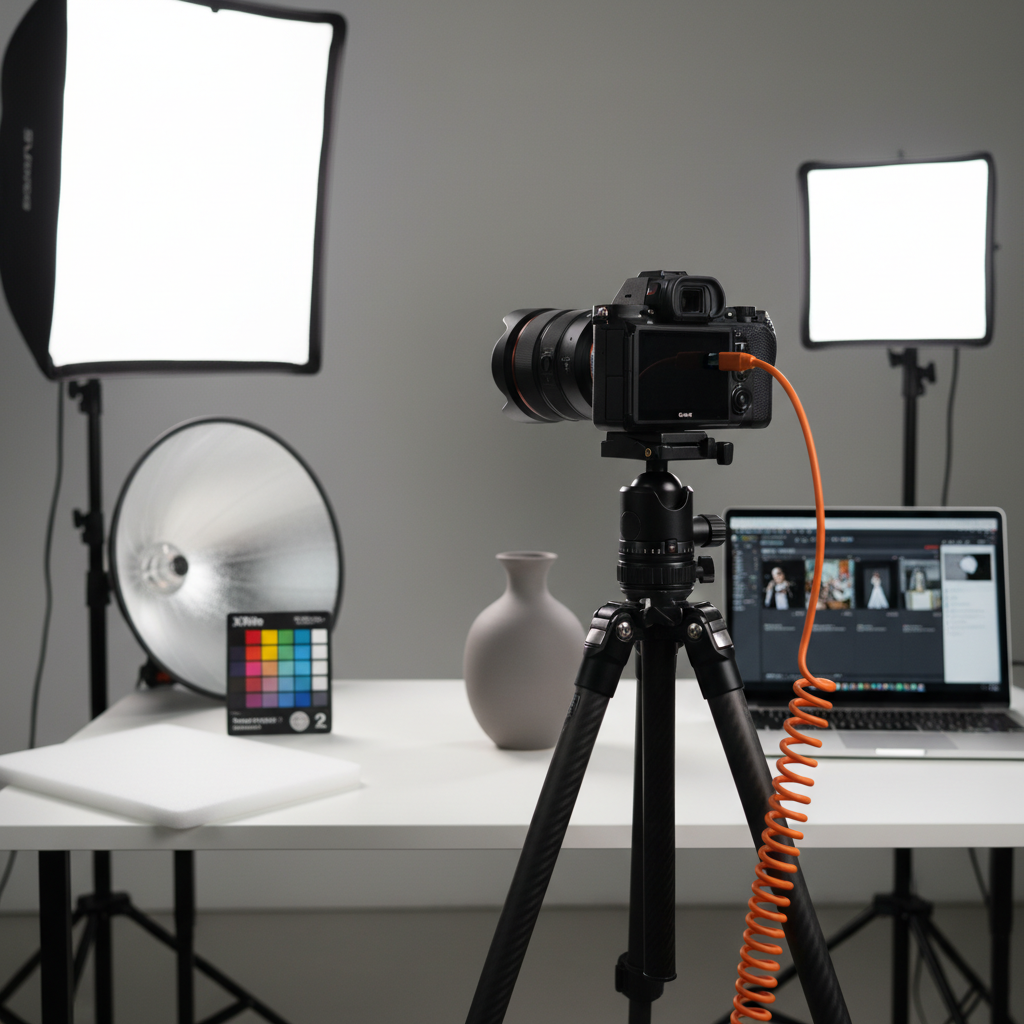
A dependable workflow moves from discovery to delivery: brief, shot list, logistics, production, post, and handoff. Each stage controls quality and speed, ensuring images are on-brand, sized for their platforms, and ready to publish with minimal revisions.
Use this structure whether you’re planning a single listing or a quarterly brand refresh.
- Discovery and brief: Define the goal, audience, brand tone, and where assets will live (MLS, website, Instagram, TikTok, print). A short creative brief sets guardrails and saves rounds later. For real estate, schedule around light and ensure access to all rooms and amenities. For restaurants, coordinate with the kitchen so the hero dishes arrive at peak freshness.
- Production: Light with intention. We favor clean, naturally balanced imagery using HDR blending and flambient techniques when needed. Capture wide, medium, and detail angles for every scene.
- Post-production: Calibrate color, blend exposures, and refine perspective so spaces feel true-to-life. Export vertical cuts (1080×1920) for social and MLS‑safe dimensions for listing galleries.
- Delivery and distribution: Organize filenames, alt text, and usage notes so teams can publish fast. Keep a consistent look across your portfolio-ready assets, website, and social feeds.
This is also where a partner adds value. Our end‑to‑end approach ties camera work, editing, and delivery together, so you’re not chasing mismatched styles across vendors.
Soft CTA: If you’re ready to plan a production the right way, explore our full services overview or reach out via our contact page for a quick scheduling check.
Types, methods, and approaches
Winning commercial photography blends formats: HDR stills for clarity, cinematic video for emotion, vertical clips for reach, 2D floorplans for layout, and drone for context. Matching format to objective helps you inform quickly, attract attention, and turn that attention into action.
Here are the formats we use most across Greater Vancouver and Vancouver Island.
Real estate media that moves listings
- HDR photos: Clean, naturally balanced images with accurate color help buyers compare rooms quickly.
- Flambient technique: Combine ambient and flash frames for true color and controlled contrast when scenes demand it.
- Property video tours: Cinematic 4K walk-throughs (plus vertical recuts) add emotion and keep viewers engaged longer.
- 2D floorplans: A fast visual answer to “Will it fit?” that reduces confusion during showings.
- Where to start: View a recent office project in our commercial shoot case and explore dedicated videography services.
Restaurants and hospitality that spark appetite
- Menu heroes + ambiance: Mix tight food macros with wide interior context to sell taste and vibe together.
- Vertical video for socials: Short clips of plating, pours, or sizzling moments increase saves and shares.
- Lighting that flatters: Soft directional light for texture; negative fill to add shape.
- See it in action: Our gourmet bistro project pairs food detail with warm, welcoming interiors.
Business branding visuals that stay on-message
- People and place: Team portraits, work-in-progress, and space details signal credibility and culture.
- Consistency by design: Keep a repeatable look for website, decks, and posts so every touchpoint feels intentional.
- Campaign kits: Deliverables sized for hero banners, carousels, and reels prevent last‑minute crops.
- Explore our work: Browse our portfolio highlights for multi‑format brand sets.
Corporate and event coverage that feels polished
- Coverage arcs: Establishing shots, speaker moments, attendee details, and venue scenes tell the full story.
- Sound and stability: Gimbals, lav mics, and clear ambient capture elevate recap edits.
- On-brand details: Align backdrops and banners with your color system for cohesive galleries.
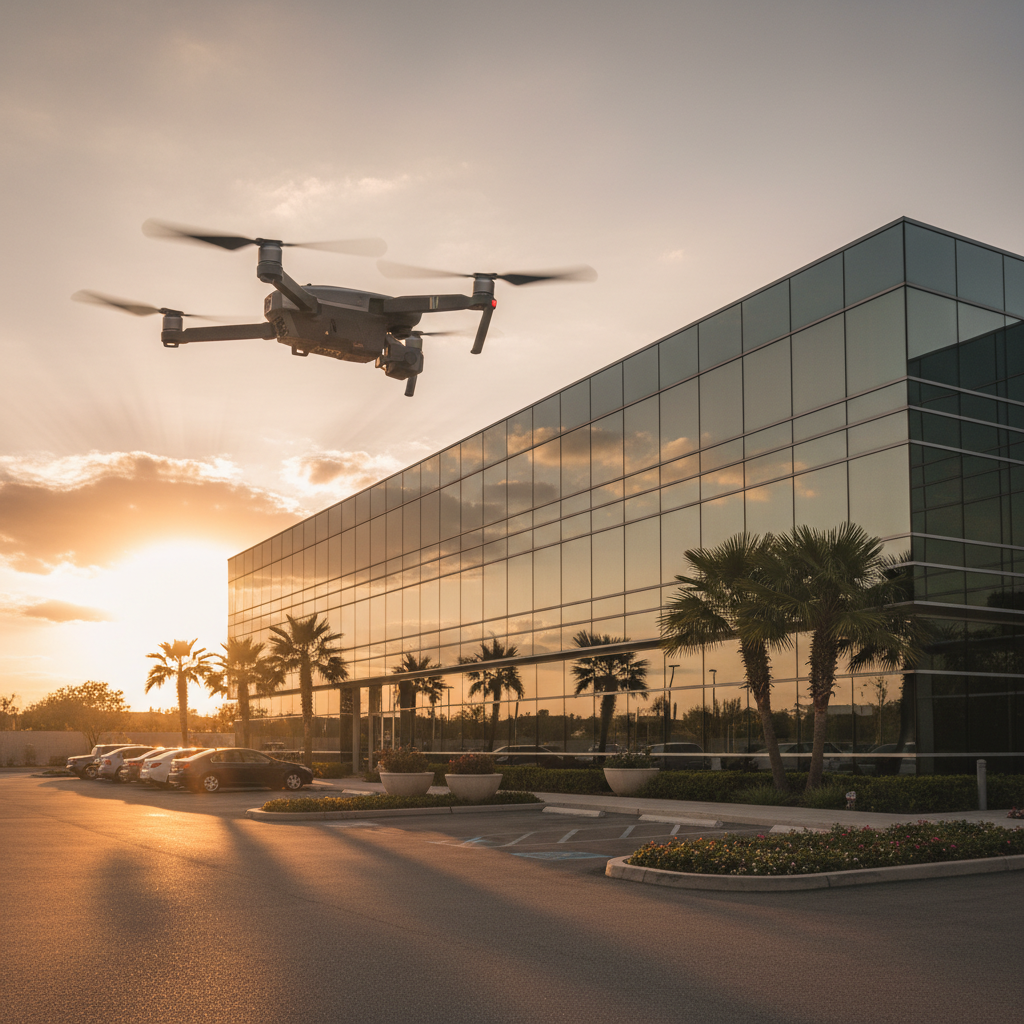
Drone photography and videography for scale
- Context at a glance: Aerials show lot size, access, and nearby amenities in one frame.
- Golden-hour planning: Warm light, long shadows, and calmer wind often yield the best results.
- Safety-first mindset: Pre-flight checks, clear zones, and weather windows keep shoots predictable.
Best practices
Treat every frame as a message. Plan for platform crops, maintain color accuracy, capture wide–medium–detail coverage, and standardize filenames and alt text. A consistent look across photos, tours, verticals, and floorplans reduces friction and speeds up publishing.
These practices keep projects on time and on brand.
- Define a single message per image: Remove distractions so the benefit is obvious.
- Prioritize natural light and accuracy: Neutral color and straight lines build trust.
- Plan for vertical early: Compose with 9:16 crops in mind to avoid re-shoots.
- Use W–M–D coverage: Wide for context, medium for function, detail for craft.
- Organize delivery: Consistent naming, alt text, and rights notes accelerate content teams.
- Brand guardrails: A basic style guide keeps multi-location teams aligned; this practical piece on branding on a budget is a helpful companion when formal guidelines are still forming.
| Media format | Primary purpose | Best for |
|---|---|---|
| HDR photos | Clarity, comparison | MLS galleries, websites |
| Video tours | Emotion, immersion | Web embeds, YouTube, reels |
| Vertical video | Reach, saves/shares | Instagram, TikTok, Shorts |
| 2D floorplans | Layout understanding | Listings, showing prep |
| Drone | Context, scale | Exteriors, site overview |
Local considerations for Maple Ridge
- Plan shoot windows around Maple Ridge’s variable cloud cover to preserve consistent color; interiors often look best with soft daylight and controlled bounce.
- BC seasons change exterior tones; spring greens and fall color can influence palette choices for hero shots and thumbnails.
- For busy weekend timelines, lock staging and access a day early so production stays smooth for realtors and restaurant teams.
Tools and resources
Choose tools that protect color, stability, and speed. Full‑frame mirrorless bodies, rectilinear wide lenses, soft directional light, and reliable gimbals cover most needs. Organize files with consistent names and alt text so publishing workflows stay fast and error‑free.
Here’s a concise kit list aligned with our day-to-day work.
- Cameras: Modern mirrorless bodies with strong dynamic range help interiors and food detail hold up under mixed lighting.
- Lenses: 16–35mm for architecture and interiors; 50mm/85mm for people; macro for plated dishes and product.
- Stabilization: Tripods for precision, gimbals for smooth walk-throughs.
- Lighting: Softboxes, bounce, and negative fill to sculpt shape while keeping a natural look.
- Software: Lightroom/Photoshop for photos, DaVinci Resolve for color-first video workflows.
- File hygiene: Clear folder structures, scene-based naming, and alt text that states purpose and subject.
- Print companion: If you also ship postcards or flyers, this overview of real estate printing basics pairs well with your photo assets.
To see how these choices come together in real projects, skim our portfolio and the services page for deliverable options across photo, video, drone, and floorplans.
Commercial Photography in Maple Ridge and BC
In Maple Ridge and across BC, commercial photography succeeds when it respects local light, weather, and pace. Plan shoots for soft daylight, keep indoor color accurate, and prepare vertical cuts for social—so listings and local brands look great whether viewed on MLS, a website, or a phone.
Our team is based in Maple Ridge and regularly works across Abbotsford, Mission, Chilliwack, Langley, Surrey, Coquitlam, Burnaby, Richmond, Greater Vancouver, and Vancouver Island. That coverage matters: short travel times, predictable logistics, and knowledge of local spaces keep productions calm and efficient.
- Weather-smart planning: BC’s light changes quickly. Scheduling buffers reduce risk for exteriors and aerials.
- Community fit: For restaurants and gyms, we capture quiet windows that won’t disrupt service.
- Distribution-first: We always deliver both horizontal and vertical assets, so campaigns launch on time.
If you’re evaluating partners, look for a clean, naturally lit style that feels true to place. Consistency builds trust long before a viewer reads a caption.
Case studies and examples
Real results come from pairing strategy with craft. These Maple Ridge–area examples show how mixing HDR photos, cinematic tours, vertical clips, floorplans, and drone creates clarity, emotion, and scale—so people act faster with fewer questions.
Surrey new-build listing: speed and consistency
A realtor needed media on a tight timeline: photos, a cinematic tour, vertical recuts, a 2D floorplan, and simple aerials. We scheduled for morning interiors, afternoon exteriors, and golden-hour drone. The final set aligned perfectly across MLS, website, and social carousels—driving steady showings from day one.
- Why it worked: Clear brief, platform-aware framing, and consistent color from photo to video.
- What to copy: Anchor every scene with a hero wide, then layer medium and detail angles.
Burnaby restaurant refresh: menu + ambiance
A hospitality client was ready for a menu and interior update. We captured tight food macros under soft directional light and warm front-of-house ambiance. Short verticals of pours and plating became reels that guests saved and shared—supporting a refreshed website look.
- Why it worked: Texture-forward lighting for dishes, plus environmental wides that sell the experience.
- What to copy: Pair five to seven hero dishes with three to four ambiance scenes per shoot.
For a deeper look at styling choices, see our gourmet bistro project.
Coquitlam fitness studio: brand alignment
A growing fitness brand needed evergreen content for ads and a website refresh. We built a mini brand kit: team portraits, action frames, space details, and vertical clips for social. With a single look and feel, every channel felt coherent—leading to fewer content gaps and faster campaign launches.
- Why it worked: A tight style guide and a deliverables checklist sized for web, reels, and ad placements.
- What to copy: Lock lighting ratios and color temps early so every set matches.
Browse a related office project in our commercial case study and the broader portfolio.
Frequently Asked Questions
These quick answers cover scope, timelines, planning, and how different media work together. For project-specific questions, reach out and we’ll tailor a brief to your goals, audience, and platforms.
What counts as commercial use?
Any imagery created to promote or sell a product, place, or service is commercial. That includes real estate listings, restaurant menus, websites, ads, and social media. The key difference from editorial work is intent: conversions, bookings, or inquiries are the goal.
Do I need a shot list before the shoot?
A simple shot list keeps production focused and reduces reshoots. We draft one after a short discovery call, mapping wide, medium, and detail angles for each scene. For restaurants, we also sequence dishes so the kitchen can time peak freshness.
How do 2D floorplans fit into listings?
Floorplans clarify layout and scale at a glance. They answer common buyer questions (“Will it fit?”, “How does it flow?”) without extra emails. Paired with HDR photos, video tours, and a few aerials, they make listings easier to compare and remember.
What’s the typical timeline for a project?
Timelines vary by scope, access, and weather. We keep projects moving with clear briefs, platform-aware framing, and efficient post workflows. If you have a fixed launch date, we’ll plan the schedule backward from your deadline and build in buffers for weather and approvals.
Key takeaways
Tie every creative decision to a business outcome. Use the right mix of formats—photos, tours, verticals, floorplans, and drone—and deliver in both horizontal and vertical. Organize files, maintain color accuracy, and keep a consistent look so publishing is fast and results are measurable.
- Start with a tight brief linked to goals and platforms.
- Plan for vertical crops from day one.
- Capture wide–medium–detail coverage for every scene.
- Deliver consistent, organized files that teams can publish quickly.
- Mix formats to create clarity, emotion, and scale.
Conclusion
Commercial photography works when strategy, craft, and distribution align. With a clear brief, platform-aware framing, and consistent delivery, your visuals will look great and perform—turning attention into bookings, showings, and inquiries across BC.
If you’re marketing a property or growing a local brand in Maple Ridge or the Greater Vancouver area, we can help you move faster with fewer revisions and stronger results. Explore our services, skim the portfolio, or connect with our team to plan your next shoot.