

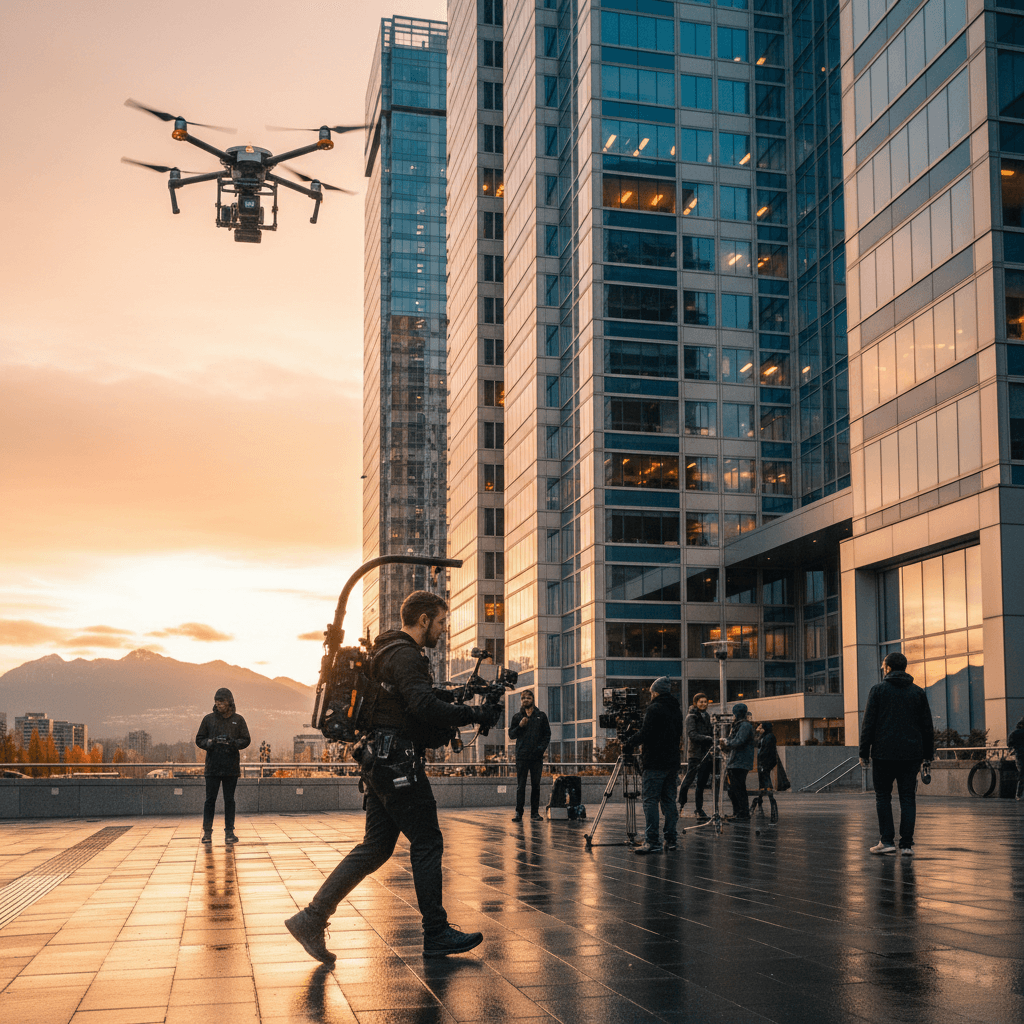
Commercial real estate videography is the strategic production of short, cinematic videos that showcase offices, retail, industrial, and mixed-use spaces to lease or sell faster. From our Maple Ridge studio at 13260 236 St, BC, we plan, film, and deliver tours, aerials, and vertical edits that turn online attention into qualified property inquiries.
By Sumeet S. — Founder & CEO, Silver Valley Studios Inc. • silvervalleystudios.ca • Last updated: 2026-06-02
Overview
This complete guide explains what commercial real estate videography is, why it matters in 2026, how production works end to end, which formats convert, and how to plan efficient shoots in Maple Ridge and across BC. Use it to brief stakeholders, standardize your process, and improve results on every listing.
Here’s what you’ll learn in a clear, actionable format designed for busy leasing teams and property marketers.
- What commercial property video really covers, beyond a simple walk-through
- Why video accelerates buyer confidence and tour bookings in competitive markets
- How to scope, script, and schedule a shoot that runs smoothly the first time
- Which video types to choose for offices, retail, industrial, and mixed-use spaces
- Best practices for lighting, motion, audio, and brand alignment
- Tools and workflows that keep delivery fast and consistent
- Regional logistics for Maple Ridge and BC that protect your timeline
What Is Commercial Real Estate Videography?
Commercial real estate videography is the planned capture of space, flow, amenities, and access using cinematic motion, sound, and editorial structure. It creates a 60–120 second hero video, vertical cut-downs, and optional aerials that help buyers visualize operations and decide to book a tour.
At Silver Valley Studios Inc., we approach each property like a miniature brand film. The story shows how people enter, navigate, collaborate, and serve customers. That means purpose-built shots: lobby reveals, corridor continuity, workstation density, meeting-room convenience, food-service layouts, and loading access. It’s more than “show every room.” It’s about proving usability in under two minutes.
Core deliverables we’re asked for
- Hero film (60–120 seconds): A cinematic overview with titles, music, and location context.
- 3–5 vertical edits (15–30 seconds): Social-first clips for Instagram, LinkedIn, and TikTok.
- Aerial pack: Drone establishing shots, approach paths, parking visibility, and nearby amenity context.
- HDR photo set: Balanced stills for listings, brochures, and pitch decks.
- Optional 2D floorplans: Clear, scannable layout for fast spatial understanding.
For commercial landlords and brokers, this package answers the two buyer questions that matter most: “Can our team operate here on day one?” and “Is the location convenient for staff and customers?”
Why Commercial Real Estate Videography Matters in 2026
Video is now the first impression for many CRE searches. Short, clear property films increase time on page, social shares, and tour requests. In markets like Greater Vancouver, listings with cinematic and aerial coverage tend to generate more qualified inquiries than photo-only posts.
Attention is scarce. Executives watch the first 5–10 seconds and decide if a space is worth a tour. Strong openings—exterior approach, lobby energy, amenity hit—keep them watching. We consistently see that hero videos between 60 and 120 seconds hold attention while respecting busy schedules.
- Faster screening: Stakeholders decide in minutes, not weeks, whether to pursue a showing.
- Brand lift: Polished visuals signal a well-managed property and professional landlord.
- Distribution power: One well-edited hero can be sliced into 3–5 vertical shorts that perform on social.
- Confidence boost: Clear access, parking, loading, and transit visuals remove friction and objections.
To maximize discovery, pair the video with strong metadata and a simple landing page experience. Practical on-page enhancements—descriptive headings, captions, and an embedded player above the fold—help searchers find, watch, and act. For broader marketing context, see this discussion of leveraging video marketing strategies and this overview on enhancing search visibility with video.
How Commercial Real Estate Videography Works (Step-by-Step)
A reliable CRE video workflow moves from discovery and pre-production to filming and fast post. Set goals, script a tight outline, secure permissions, choreograph motion, and deliver platform-specific edits. This structure protects timelines and produces consistent, on-brand results.
Pre-production: set the win conditions
- Define objectives: Leasing, sale, or tenant improvement? Pick one clear goal.
- Audience personas: Office managers, franchise owners, or logistics leads.
- Script outline: 8–12 beats (exterior, entry, lobby, work areas, amenities, access).
- Logistics: Building access, after-hours clearance, elevator keys, and cleaning schedule.
- Drone plan: Confirm flight zones and ground safety. Choose golden hour for exteriors.
Production: capture polished motion
- Camera movement: Gimbal walk-throughs to communicate flow without disorientation.
- Lighting: Balance natural light with practical fixtures; avoid mixed color casts.
- Audio: Room tone for continuity. Optional VO or interview for leadership positioning.
- Continuity passes: Repeat key paths at slower speeds for clean editorial options.
Post-production: deliver for every channel
- Edit structure: 3 acts—establish, explore, and confirm action (CTA/title card).
- Color and sound: Consistent contrast and white balance; tasteful music with clear rights.
- Captions and titles: Non-intrusive lower-thirds; platform-safe margins.
- Outputs: 16:9 hero, 9:16 verticals, 1:1 thumbnails, and a web-optimized embed.
Our videography foundation ties into a broader Photography and Real Estate Media service mix so you can keep messaging and quality consistent across photos, 2D floorplans, and social assets.
| Stage | Primary Tasks | Owner | Typical Timing |
|---|---|---|---|
| Discovery | Goals, audience, KPIs | Client + SVS | 30–45 minutes |
| Pre-production | Outline, access, drone plan | SVS | 1–3 days |
| Production | Camera, lighting, audio | SVS | Half-day–Full day |
| Post | Edit, sound, color, captions | SVS | 2–5 days |
Types of Commercial Property Videos (When to Use Each)
Choose formats based on decision friction: cinematic walk-throughs for layout, aerials for access and parking, vertical clips for social reach, and leadership interviews for credibility. Most campaigns benefit from a hybrid package cut into multiple channel-specific edits.
Different asset classes call for different emphasis. The aim is always the same: reduce uncertainty fast and earn a site visit.
- Cinematic walk-through: Best for offices, medical, and flex spaces. Highlights flow and fit.
- Aerial overview: Key for retail and industrial—shows ingress/egress, loading, and visibility.
- Vertical spotlight (15–30s): Social hooks for amenities and unique advantages.
- Interview-driven story: Owner or property manager adds trust, policy clarity, and vision.
- Amenity featurette: Fitness, end-of-trip, food service, rooftop, or event areas.
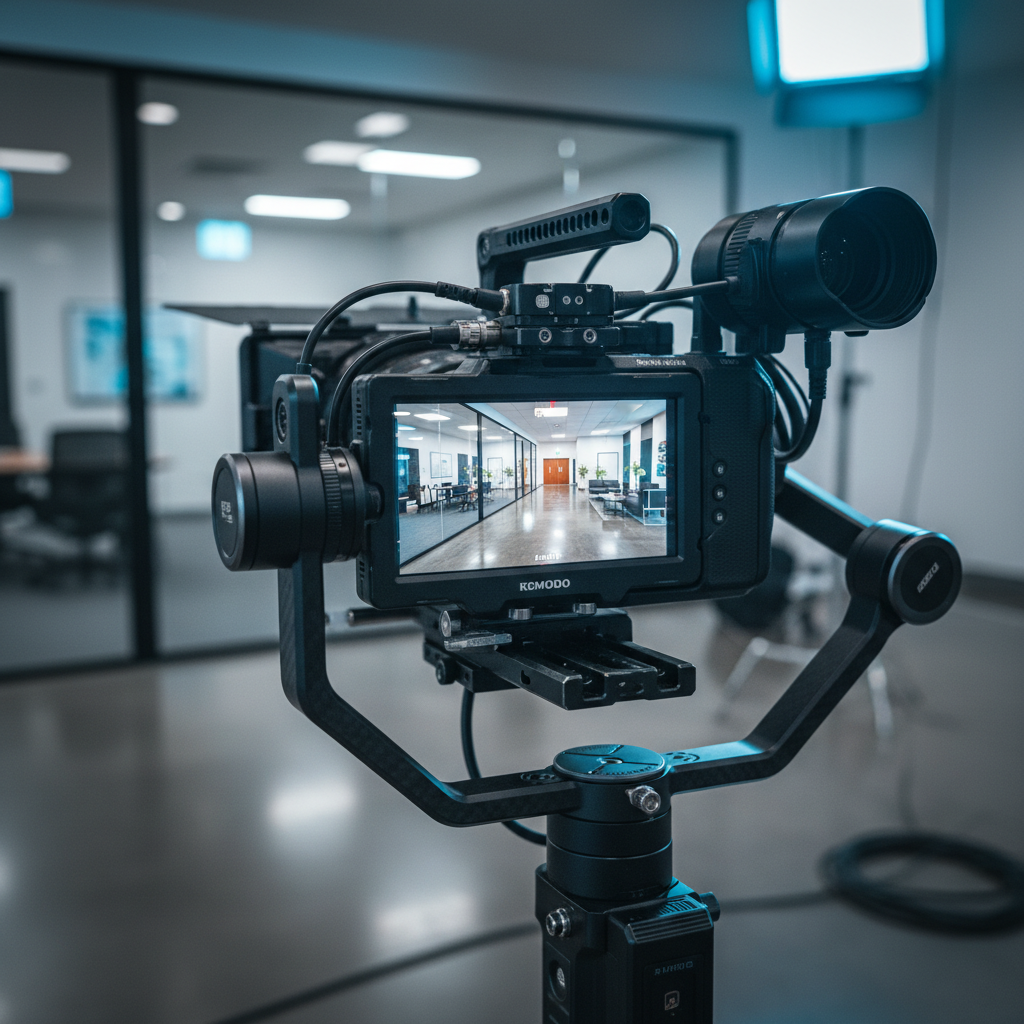
We maintain consistency across assets so leasing teams can reuse visuals in brochures, pitch decks, and social. See our videography services overview for cross-industry examples spanning real estate, branding, and events.
Best Practices for High-Converting CRE Videos
Open strong, move with purpose, and resolve the decision blockers. Use stable motion, balanced lighting, clean audio, and a single, explicit call to action. Pair video with HDR photos and an optional 2D floorplan so prospects understand the space in seconds.
Story and structure
- Start with movement: Exterior approach into the lobby in the first 3–5 seconds.
- Prioritize routes: Front door to reception to work areas to amenities—then access.
- One message: Lease faster? Show evidence of convenience and functionality.
Image and sound
- Lighting: Match color temperature; tame hotspots on glass and polished floors.
- Motion: Use gimbal or slider; avoid whip pans that disorient viewers.
- Audio: Music that supports brand tone; interviews recorded with lavs or shotguns.
Conversion elements
- CTA placement: End card with URL, QR on brochures, and contact prompt on page.
- Social repackaging: 3–5 verticals, each with one idea and on-screen captions.
- Thumbnailing: Choose a clear, high-contrast frame that reads at a glance.
For broader real estate listing context and content planning, this practical overview of listing content components can help your team align copy, visuals, and CTAs around a single action.
Tools and Resources We Use (And Why)
We pair cinema-grade capture with a fast, reliable post pipeline: stabilized cameras, controlled lighting, pro audio, and a repeatable editing stack. The goal is consistent quality and quick turnarounds so your listing momentum never stalls.
On set
- Gimbal camera systems: Smooth, readable motion for walk-throughs.
- Drone platform: High-bitrate aerials that show access, parking, and context.
- Lighting kit: Soft sources and flags to shape contrast and hide glare.
- Audio capture: Lavaliers and shotguns for interviews and VO clarity.
In post
- Color workflow: Natural, true-to-life color for trustworthy representation.
- Graphics templates: Clean lower-thirds and map pins that don’t clutter the frame.
- Captioning: Platform-safe captions that improve watch time with sound off.
Because we offer more than video, teams often combine deliverables across our full service lineup: HDR photos, commercial project visuals, and optional 2D floorplans for easy space planning.
Case Studies and Examples (Greater Vancouver)
Our commercial space visuals show offices, retail, and industrial assets with clarity and pace. By focusing on flow, access, and amenities, we’ve helped teams attract more tour requests and reduce time to decision across Greater Vancouver and the Fraser Valley.
Office: corporate workspace flow
- Challenge: Prospects couldn’t visualize team circulation and meeting density.
- Approach: Gimbal walk-throughs along daily routes; glass-conference acoustics shown with quick cuts.
- Outcome: More same-week showings after launch; easier internal approvals.
See a representative breakdown in our corporate office commercial shoot portfolio note.
Retail: access and visibility
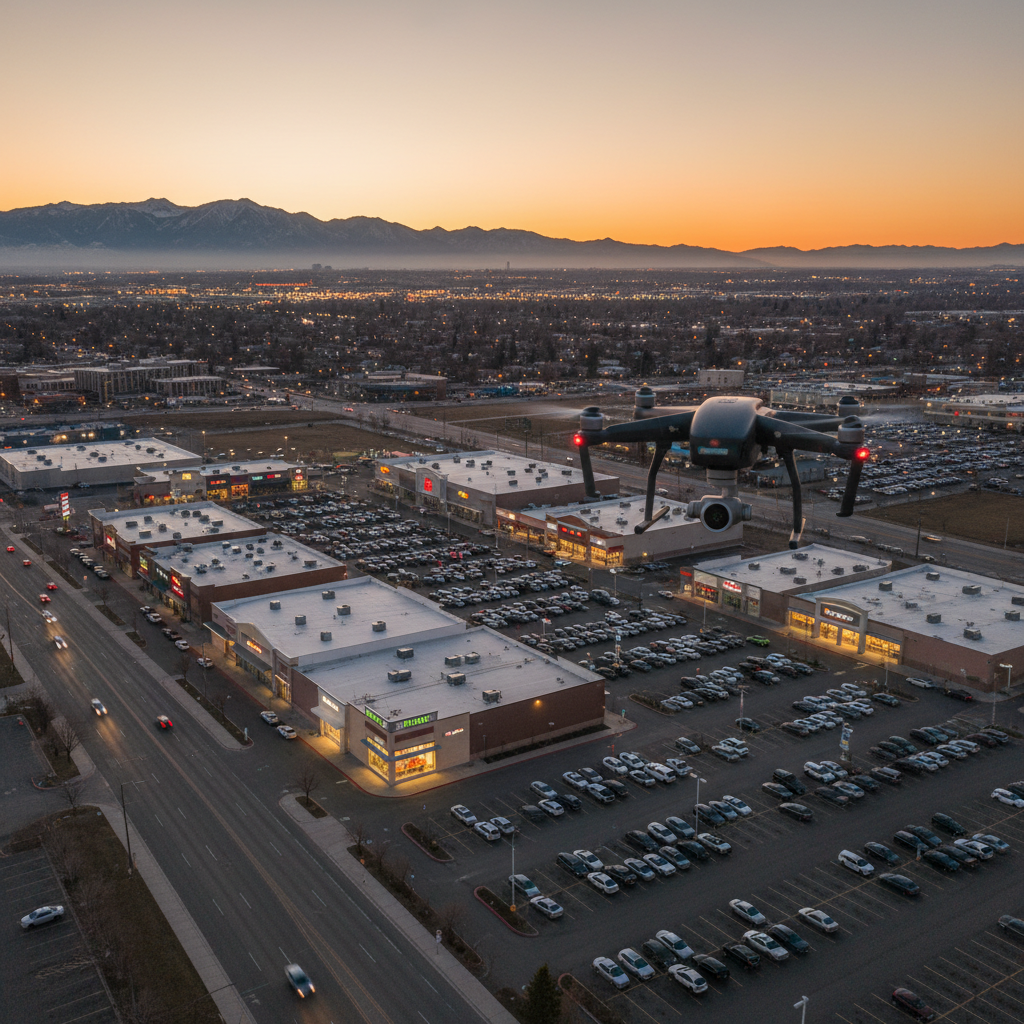
- Challenge: Uncertainty around parking flow and storefront sightlines.
- Approach: Aerial ingress/egress, curb exposure, and pedestrian paths; quick interior lap.
- Outcome: Faster shortlisting, better fit for national tenants seeking visibility.
Industrial: loading and workflow
- Challenge: Buyers needed to understand loading, staging, and internal clearances.
- Approach: Exterior truck circulation, dock positions, and interior aisle widths.
- Outcome: Reduced back-and-forth; faster alignment with operations teams.
Local Logistics for Maple Ridge and BC
In Maple Ridge and across BC, plan around weather windows, daylight, and building access. Secure after-hours permissions, coordinate drone safety, and schedule golden-hour exteriors. Local planning keeps crews nimble and protects your shoot day.
Regional coordination matters as much as camera work. In our experience, the simplest lever is time-of-day: golden-hour exteriors, mid-morning interiors, and blue-hour aerials when city lights help retail and hospitality pop. Pair that with early communication to property management and tenants to avoid conflicts.
Local considerations for Maple Ridge
- Use neighborhood timing to your advantage: schedule exteriors during quieter periods to simplify vehicle and pedestrian management.
- Plan around seasonal daylight shifts and rain, building in a backup window for reshoots if needed.
- Align with operations: coordinate after-hours access for lobbies, amenities, and corridors so footage feels calm and premium.
Because we’re based in Maple Ridge, we’re set up to respond quickly across Abbotsford, Mission, Chilliwack, Langley, Surrey, Coquitlam, Burnaby, and Richmond—keeping commercial campaigns on schedule when windows are tight.
Distribution and Measurement
Launch your hero video on a focused landing page, then atomize it into vertical clips for social and short teasers for email. Track watch time, click-throughs, and tour requests. Iterate thumbnails and first 5 seconds to raise completion rates.
- Primary hub: A simple page with the 16:9 hero above the fold and a single CTA.
- Social edits: 3–5 verticals with captions; each focused on one message.
- Email teaser: 10–15 second clip driving to the landing page.
- Metrics to watch: 3-second views, 50% completion, and tour-form starts.
Strong video distribution amplifies your entire marketing mix. If your in-house team handles SEO, this primer on video in digital strategy offers helpful reminders for repurposing content across channels.
Helpful next step: If you’re building a commercial campaign, review our recent projects and then start a conversation via our contact page. We’ll map deliverables to your timeline and target tenants.
Frequently Asked Questions
These quick answers address how we plan, what we deliver, and how to prepare your team and property. For project-specific guidance, reach out and we’ll share a tailored checklist.
What does a typical commercial real estate video include?
Most projects include a 60–120 second hero video, 3–5 vertical cut-downs, and optional aerial establishing shots. We also capture HDR photos and can provide 2D floorplans so prospects understand layout and access at a glance.
How long does production and editing usually take?
Timelines depend on access and scope, but many commercial shoots are completed in a half or full day, with editing and revisions delivered over several business days. We schedule weather windows for exteriors and coordinate after-hours access for calm interiors.
Can you create vertical videos from the main property film?
Yes. We plan vertical cut-downs during pre-production so key moments frame well for 9:16. These short clips highlight amenities, access, or unique advantages and tend to perform well on Instagram, LinkedIn, and TikTok.
What if the property is occupied during filming?
We coordinate with property management to film after hours or during quieter periods. With a clear route plan and light crew, we capture flow without disrupting operations or tenant privacy.
Do you also provide photography and floorplans with video?
Absolutely. Many commercial campaigns bundle HDR photos, cinematic video, and 2D floorplans for a cohesive package. Keeping all media under one team speeds delivery and maintains a consistent look and message.
Key Takeaways
Cinematic motion, clear structure, and local planning turn property videos into tour requests. Anchor your story in flow, access, and amenities, then distribute it as a hero film plus verticals. Consistency across video, photos, and floorplans lifts outcomes.
- Lead with the exterior approach and lobby energy in the first 5 seconds.
- Show routes, amenities, and access; resolve common objections onscreen.
- Deliver multiple aspect ratios to match how people actually watch.
- Pair video with HDR photos and clean 2D floorplans for instant clarity.
- Plan shoots around Maple Ridge and BC daylight, weather, and access windows.
Conclusion and Next Steps
Commercial real estate videography converts interest into action by proving usability fast. If you need a clear, consistent package—hero film, vertical shorts, aerials, HDR photos, and 2D floorplans—we’re ready to help across Greater Vancouver from our Maple Ridge base.
Ready to map a project? Explore our videography services, scan recent portfolio work, and reach out through our contact page. We’ll align deliverables to your timeline, target tenants, and brand voice—then execute with reliable, cinematic quality.