

Last updated: October 2026
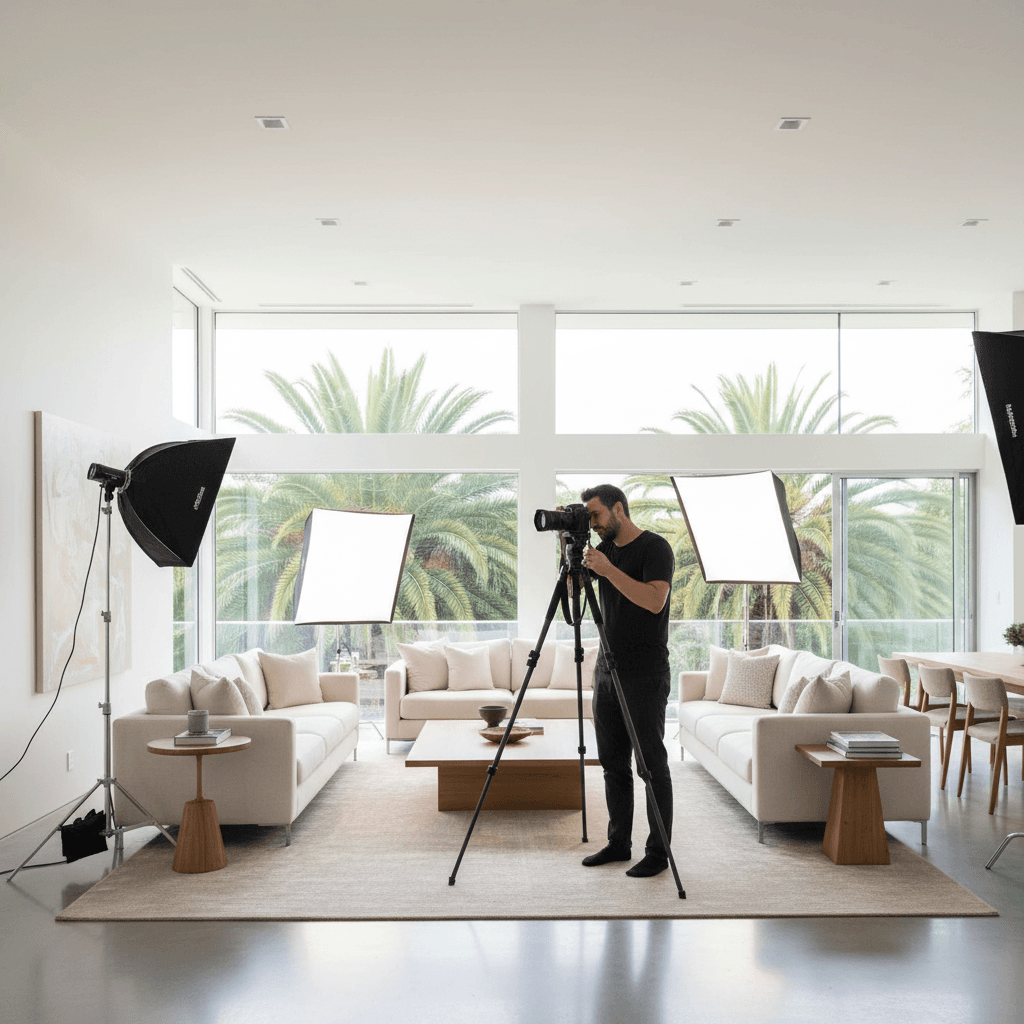
Key takeaway:Professional real estate photography combines deliberate preparation, lighting, composition, editing, and property storytelling to present a listing accurately across MLS, social media, and print. A coordinated shoot can include HDR interiors, video tours, 2D floorplans, twilight images, and drone coverage, helping buyers understand both the home and its setting before they book a showing.
By Sumeet S. - Founder & CEO
Updated October 28, 2026
For a real estate agent or property developer, the objective is not simply to collect attractive pictures. It is to build a clear visual route through the property: the street approach, entry, main living areas, bedrooms, outdoor spaces, and the features that make the listing worth a closer look.
Silver Valley Studios Inc. provides real estate media from Maple Ridge across regional service areas including Abbotsford, Mission, Chilliwack, Langley, Surrey, Coquitlam, Burnaby, and Richmond. This guide explains what professional real estate photography includes, how to plan a shoot, which deliverables are useful, and when a coordinated media package makes more sense than a quick set of phone images.
What this guide covers
Professional real estate photography is most effective when the creative plan matches the property and the intended audience. A downtown condo may need a concise vertical video and a floorplan that clarifies compact circulation, while a detached home in Maple Ridge may benefit from garden, yard, mountain, or neighbourhood context.
- What professional real estate photography involves
- How preparation, capture, editing, and delivery fit together
- When to use HDR, flambient, twilight, video, floorplans, and aerial media
- How to compare a DIY shoot with coordinated professional production
- How to prepare a home and reduce avoidable reshoots
- How to handle drone registration, privacy, and safe flight planning
What is professional real estate photography?
Professional real estate photography is the planned creation of property images designed to show a home clearly, accurately, and attractively. It involves more than using a wide lens: the photographer considers room order, camera height, vertical lines, window exposure, colour balance, visual distractions, and the way the final gallery will appear on listing platforms.
A professional workflow normally combines several decisions:
- Composition: selecting angles that explain room size, connection, and function without making spaces look misleadingly large.
- Light control: balancing daylight and practical fixtures so windows, walls, floors, and finishes retain useful detail.
- Colour accuracy: correcting mixed colour casts while keeping paint, wood, stone, and upholstery believable.
- Visual sequencing: arranging images so the gallery feels like a logical visit rather than a random collection of rooms.
- Channel preparation: creating files and crops appropriate for MLS, websites, social platforms, email, and print.
The service can stand alone as a polished photo gallery or form part of a broader package with real estate videography, 2D floorplans, vertical clips, and aerial coverage. The right mix depends on the property, the launch plan, and the features buyers need to understand.
Why professional real estate photography matters
Listing images are often the first way a prospective buyer encounters a property. Strong photography gives viewers a fast, consistent understanding of the home’s layout, condition, light, and standout features before they decide whether to read the description or arrange a viewing.
Professional media is especially useful when:
- The home has complex lighting, large windows, reflective surfaces, or open-plan rooms.
- The property’s value depends on flow between rooms, outdoor living, or a distinctive renovation.
- The listing needs a cohesive gallery across MLS, social posts, email, and printed material.
- The seller wants a guided preparation process rather than informal last-minute instructions.
- The property would benefit from a floorplan, video tour, or aerial view in addition to still images.
Good photography does not replace accurate listing information or a well-prepared property. It gives those elements a visual structure, helping viewers understand what the home offers and what they should examine in person.
Local planning for Maple Ridge and Metro Vancouver
Weather and light can change quickly across Metro Vancouver. For a Maple Ridge listing, the schedule may need to account for overcast conditions, rain between exterior setups, tree cover, and the relationship between the home, yard, and surrounding landscape.
Overcast daylight can be useful for even interiors and softer exterior shadows, while a clear evening may suit a twilight front elevation or outdoor entertaining area. Instead of assuming one ideal time works for every property, plan the room order and exterior window around the home’s orientation, finishes, and strongest features.
How the professional real estate photography process works
A dependable shoot follows a repeatable sequence from brief to delivery. The sequence below can be adapted for a condo, townhome, detached house, new build, rental, or commercial space.
1. Define the property story and deliverables
Start by identifying the likely audience and the features that deserve priority. A family home may need emphasis on kitchen flow, bedrooms, storage, and the yard; a high-rise condo may need stronger attention to views, amenities, finishes, and efficient layout.
Confirm the required deliverables before the shoot. Options may include still photography, real estate videography, vertical social clips, 2D floorplans, twilight images, drone photography, or aerial video. Defining the package early prevents important assets from being treated as an afterthought.
2. Prepare the property
Preparation has a direct effect on the final gallery. Clear counters and floors, remove bins and personal paperwork, hide cables, organize entryways, and reduce visual clutter. Replace failed bulbs and use consistent light sources where possible.
- Remove vehicles from the driveway if the exterior composition benefits from a clear approach.
- Put away pet items, cleaning products, laundry, and excess countertop appliances.
- Open blinds consistently and clean visible windows when reflections or views are important.
- Keep useful furniture in place, but remove pieces that block circulation or make a room feel crowded.
- Complete final cleaning before the photographer arrives, especially in kitchens and bathrooms.
3. Walk through and establish the shot order
On arrival, the photographer should walk through the property before committing to every frame. This reveals the strongest entry point, useful sightlines, awkward reflections, distracting objects, and any rooms that need a small adjustment.
A typical sequence moves from exterior and entry through living spaces, kitchen, bedrooms, bathrooms, utility areas, and outdoor spaces. The order can change when a property has a particularly strong view or feature that should establish the story earlier.
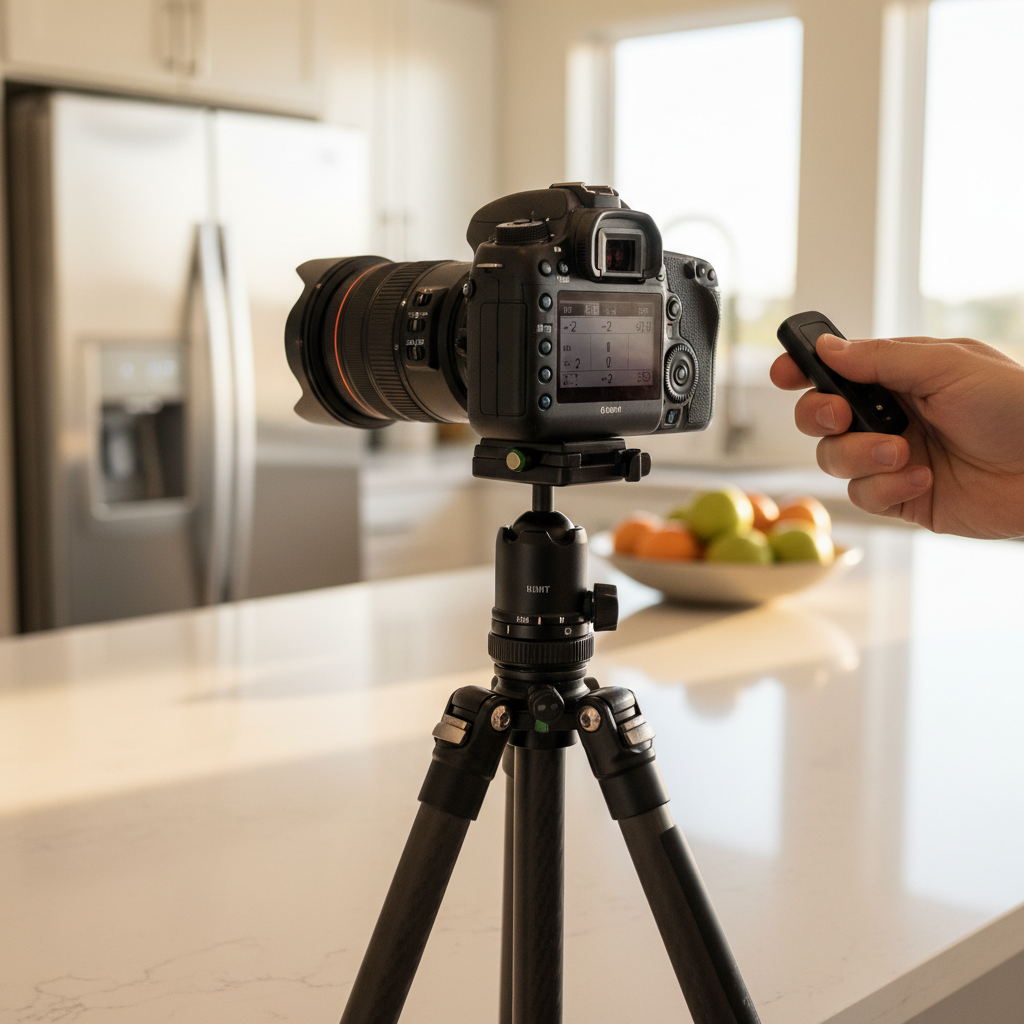
4. Capture interiors with controlled exposure
HDR photography uses multiple exposures to retain information in both bright windows and darker interiors. The frames are blended during editing so the room remains readable without making the result look artificial.
Camera height, level horizons, and straight vertical lines matter as much as exposure. Two or three purposeful angles per room are usually more useful than filling the gallery with near-identical views. Establishing frames explain the space, while selected details show materials, fixtures, and finish quality.
5. Edit for realism and consistency
Post-production should correct technical problems while preserving an honest impression of the property. Common work includes HDR blending, white-balance correction, lens correction, vertical alignment, restrained distraction removal, and cropping for different channels.
Editing should not add architectural features, change permanent finishes, or misrepresent the condition or dimensions of the home. A consistent gallery is more useful when every image shares a believable colour and exposure treatment.
6. Deliver files for the launch
Organize the final files by room or purpose and separate stills from video, floorplans, and aerial assets. A practical handoff may include a full-resolution archive, listing-ready images, social crops, video files, and a floorplan that can be previewed alongside the gallery.
Silver Valley Studios’ real estate media services bring these deliverables together for agents, developers, and property owners who need one coordinated visual workflow.
Which real estate media methods should you use?
Not every listing needs every format. Choose the methods that clarify the property’s strongest selling points and fit the way the listing will be promoted.
HDR and flambient interiors
HDR is useful where window brightness and interior shadows need to be shown together. Flambient photography combines ambient and flash exposures to provide additional control over colour, contrast, and difficult mixed-light rooms.
These approaches are particularly helpful in rooms with large windows, dark cabinetry, reflective surfaces, or several competing light sources. The goal is a natural interior that lets viewers assess the room without distracting hotspots or blocked-up shadows.
Twilight and blue-hour images
Twilight photography can give a home with strong exterior lighting, a covered patio, or an inviting front elevation a distinct hero image. It requires coordination because the balance between sky brightness, interior lights, and exterior fixtures changes within a short window.
Video tours and vertical clips
Real estate videography connects individual rooms into a sequence. A moving camera can show the transition from entry to living area, the relationship between kitchen and dining spaces, or the path from interior rooms to a deck or yard.
A longer property tour can also be edited into shorter vertical clips for social channels. Captions and careful sequencing help the video remain understandable when viewers watch without sound.
2D floorplans
A floorplan adds information that photographs cannot provide on their own. It helps viewers understand room relationships, circulation, approximate scale, and bedroom separation before a showing.
Floorplans are especially valuable for homes with unusual layouts, suites, multiple levels, or compact condo spaces. Pairing one with still images and video gives the viewer both an emotional impression and a practical mental map.
Drone photography and aerial video
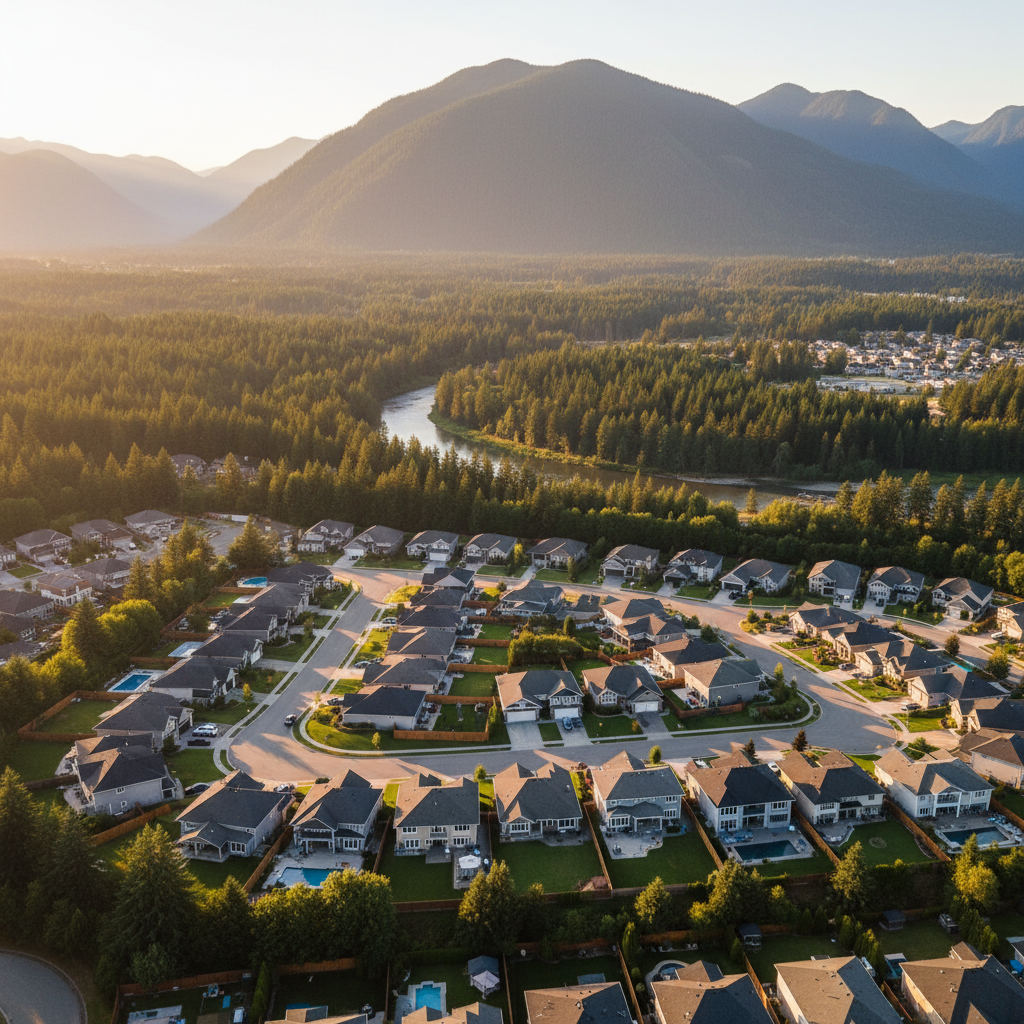
Aerial media can show lot shape, outdoor space, waterfront or mountain context, nearby green space, and the relationship between a property and its surroundings. It should be used when that context is relevant, not simply because an aerial angle is available.
Drone compliance and privacy planning
Drone work requires more than selecting an attractive flight path. Transport Canada states that drones weighing at least 250 grams must be registered, subject to the applicable rules and exceptions. Review the current drone registration requirements before commercial aerial work.
Privacy also matters when a flight may capture neighbours, faces, licence plates, or other identifiable information. Plan the flight to limit unnecessary collection, tell affected people when appropriate, and review Transport Canada’s privacy guidance for drone users. A safe, lawful flight is part of professional delivery.
Best practices for a stronger listing gallery
The strongest galleries are selective and coherent. They do not need every possible angle; they need the right angles in the right order.
Build the first five images carefully
Use the opening images to establish the property’s identity. Depending on the home, that may mean a welcoming exterior, bright living area, kitchen, primary suite, and yard or view. Avoid leading with a technically correct but emotionally flat image when a stronger frame explains the property better.
Show flow without exaggeration
Keep verticals straight and avoid extreme wide-angle distortion. A room should feel spacious because the composition explains its proportions and connection to adjacent spaces, not because the lens creates an unrealistic impression.
Match the schedule to the property
Use the available light strategically. Interiors may benefit from a bright but soft window period, while exterior features may look stronger during golden hour or blue hour. Keep a weather backup when exterior images or drone coverage are central to the listing.
Prepare channel-specific versions
MLS, social feeds, email, websites, and print layouts do not display media in exactly the same way. Create crops and exports that preserve the subject, avoid awkward cut-offs, and keep the most useful detail visible on smaller screens.
DIY versus professional real estate photography
A phone or consumer camera can document a property, and DIY images may be reasonable for an internal rental record or an early planning draft. Professional real estate photography becomes more valuable when the listing needs controlled light, accurate colour, consistent composition, multiple formats, and a reliable launch schedule.
| Decision area | DIY approach | Professional approach |
|---|---|---|
| Exposure | Bright windows or dark interiors may lose detail | Bracketed exposures and controlled editing balance the room |
| Composition | Angles and camera heights may vary from room to room | Consistent height, level lines, and purposeful sightlines |
| Preparation | Seller or agent manages decisions during the shoot | Walkthrough identifies clutter, staging, and priority frames |
| Additional media | Photos may be delivered without a floorplan or video plan | Photos, video, floorplans, and aerials can follow one story |
| Delivery | One set may need repeated resizing or cropping | Files can be organized for listing, social, email, and print |
A practical planning checklist
Use this checklist before confirming the shoot:
- Identify the property’s audience and three to five features that deserve priority.
- Choose still photos, video, floorplans, twilight, drone, or vertical clips based on those features.
- Send the seller a preparation list and confirm cleaning, access, pets, vehicles, and occupants.
- Check the forecast and create a backup plan for exterior or aerial work.
- Confirm whether the property has privacy or access considerations for drone coverage.
- Decide which image will lead the gallery and which video clip will introduce social promotion.
- Arrange delivery folders and file naming before the listing goes live.
For examples of how stills, motion, and property details can work together, the real estate media portfolio provides a useful reference when planning a shoot.
How to publish and reuse the media
Start with the listing gallery, then adapt the same visual story for other channels. Use a strong exterior, kitchen, or living-area frame as the lead image according to the property’s strongest differentiator. Add a floorplan preview when layout is a major decision factor.
- MLS: Use the clearest sequence from entry through the principal rooms, with accurate captions and room order.
- Social: Recut the tour into short vertical clips and choose opening frames that make sense without audio.
- Email: Use a small group of representative images linked to the full listing or viewing information.
- Print: Select images with clean compositions that remain legible in brochures, feature sheets, or postcards.
Keep the final gallery honest and current. If a room changes materially after the shoot, update the relevant media rather than allowing outdated images to create confusion during showings.
When should you hire a professional?
Hire a professional when the property has complex light, premium finishes, a distinctive layout, important outdoor context, or a short launch timeline. Professional help is also useful when the agent or seller needs one team to coordinate photography, video, floorplans, and drone media instead of managing several disconnected suppliers.
It is particularly suitable for luxury listings, renovated homes, new builds, family properties with valuable outdoor space, high-rise condos, and commercial spaces where presentation affects how quickly prospects understand the offer.
Frequently asked questions
What does professional real estate photography include?
A standard service may include carefully composed interior and exterior photographs, exposure and colour correction, and listing-ready delivery. Depending on the property and brief, the package can also include real estate videography, vertical clips, 2D floorplans, twilight images, and drone coverage.
What is the difference between HDR and flambient photography?
HDR blends multiple exposures to retain detail across bright windows and darker rooms. Flambient combines ambient and flash exposures for additional control over colour and contrast in challenging interiors. Both should produce a natural result rather than an exaggerated effect.
Do all listings need drone photography?
No. Drone media is most useful when the property’s lot, views, outdoor spaces, setting, or nearby context adds meaningful information. Any flight should be planned under current Transport Canada requirements and with appropriate privacy safeguards.
How should a home be prepared for the photographer?
Complete cleaning, remove clutter, hide personal and maintenance items, replace failed bulbs, and clear key sightlines. Keep the property accessible and tell the photographer about pets, occupants, renovations, special finishes, or rooms that need priority.
Plan a complete visual story for your next listing
Professional real estate photography works best as a coordinated process: prepare the property, identify the story, capture controlled and accurate images, add the formats that clarify the home, and deliver files ready for each channel. HDR stills, video, floorplans, and aerial media should support the property rather than add unnecessary volume.
To discuss a listing or commercial space in Maple Ridge and the surrounding regional service area, contact Silver Valley Studios Inc. about the media mix and production schedule that fit your launch.
Ready to plan your listing media?
Visit Silver Valley Studios Inc. to start a conversation about professional real estate photography, video tours, floorplans, and drone coverage.