


Real estate photography pricing is the framework professionals use to scope, schedule, and deliver listing visuals. It aligns the project’s size, media types, and deadlines to produce the right mix of photos, video, floorplans, and aerials. From our Maple Ridge, BC base at 13260 236 St, we scope projects to fit your listing goals—without guesswork.
By Sumeet S. — Founder & CEO, Silver Valley Studios Inc. • Last updated: June 15, 2026
At a Glance
Real estate photography pricing balances three variables: property scope, media mix, and turnaround. Define square footage, choose deliverables (photos, video, drone, floorplans), and confirm deadlines. This ensures your listing gets the right assets—neither overbuilt nor underpowered—for maximum buyer interest and agent efficiency.
Use this quick overview to navigate the guide and jump to what matters most for your listing.
- What real estate photography pricing actually covers
- Why pricing models matter for marketing outcomes
- How scoping works (square footage, media types, schedule)
- Factors unique to Maple Ridge and BC regulations
- Deliverable types: HDR photos, cinematic tours, 2D floorplans, drone, vertical clips
- Best practices to stretch marketing value
- Tools and resources to plan faster
- Case examples from Greater Vancouver listings
What Is Real Estate Photography Pricing?
Real estate photography pricing is a project-scoping method that maps your property’s size and marketing needs to specific media deliverables. It organizes photos, video tours, drone coverage, and floorplans into a coherent package with defined timelines and usage rights.
In our experience, clarity at the scoping stage saves time later. When you know the square footage, story, and platforms (MLS, Instagram, TikTok, YouTube), we can recommend the right mix the first time.
- Scope definition: property type, size, access rules, and staging readiness.
- Media plan: HDR images, cinematic 4K video, vertical clips, 2D floorplans, and aerials.
- Workflow: on-site capture (typically 60–180 minutes), edit pipeline, and delivery windows.
- Rights and usage: MLS, web, social, print, and builder/developer collateral.
- Quality controls: color-accurate HDR blending, straight verticals, and lens correction.
Here’s why that structure matters: it turns a vague “media day” into a predictable plan. For instance, a 2-bedroom condo often needs 20–35 final photos, 1–2 vertical reels, and a simple floorplan; a 5-bedroom detached may require 40–60 images, a cinematic walkthrough, drone exteriors, and a full 2D layout.
Why Pricing Models Matter for Your Listing
Pricing models shape marketing results. The right structure allocates enough time for staging tweaks, precise lighting, and story-driven coverage. That translates to more online saves, higher click-through, and better showing quality—outcomes agents actually feel in their calendars.
We’ve found that when media plans are sized correctly, agents spend less time fielding unqualified inquiries and more time nurturing serious buyers. That shift shows up in shorter days-on-market, stronger offer quality, and smoother negotiations.
- Signal quality, not just presence: 20 laser-focused photos beat 70 redundant angles.
- Platform fit: 9:16 verticals (15–45 seconds) feed social discovery; 16:9 tours anchor listing detail pages.
- Buyer clarity: A simple 2D floorplan reduces “Is that room usable?” objections during showings.
- Neighborhood narrative: Drone establishes context, sightlines, and yard usability in seconds.
Think in terms of buyer friction. Every unanswered question—room flow, storage, light—adds friction. Great media removes it before the first showing.
How Real Estate Photography Pricing Works
Pricing works by matching scope to deliverables and time. You estimate property size, select media types, confirm access and timing, and lock a delivery window. The outcome is a right-sized plan that respects budgets, maintains quality, and hits the market on schedule.
Core scoping steps (the practical playbook)
- Define property scope: beds/baths, square footage, lot features, and orientation.
- Pick deliverables: HDR photos, video tour, vertical clips, drone, and 2D floorplans.
- Set timelines: shoot date, edit schedule, and MLS go-live target.
- Confirm access: lockbox codes, pet plans, alarm notes, and parking.
- Finalize brief: hero rooms, must-have angles, and any brand guidelines.
Typical production ranges
- Condos/townhomes: 60–120 minutes on-site; 20–35 final photos; optional 30–60 second vertical reel.
- Detached homes: 90–180 minutes on-site; 40–60 final photos; 60–120 second cinematic tour.
- Drone ops: 6–12 aerial images; 10–30 seconds of establishing footage; flown under 400 ft AGL with safety checks.
- 2D floorplans: on-site scan pass; vectorized plans with room labels and total area noted.
For process depth, explore our real estate photography services overview and the companion video tour guide for capture-to-delivery details.
Pricing Factors in Maple Ridge and Across BC
In Maple Ridge and BC, pricing is most affected by property size, travel logistics, media complexity, and turnaround speed. Local regulations also influence drone availability. Align these inputs early to avoid scope creep and ensure fast, clean delivery for MLS and social.
From our Maple Ridge base, we service Greater Vancouver efficiently. That keeps schedules reliable for Abbotsford, Langley, Surrey, Coquitlam, Burnaby, and Richmond—without sacrificing quality controls.
- Square footage and room count: more rooms mean more styling, angles, and time-on-site.
- Media selections: adding video, drone, or floorplans expands capture and edit hours.
- Access and prep: vacant vs. occupied, staging readiness, and cleaning status change cadence.
- Weather windows: exterior images often target 30–60 minute light pockets for curb appeal.
- Regulatory dependencies: aerials must respect safety checks and airspace constraints.
Local considerations for Maple Ridge
- Plan exteriors around fast-changing light. Mountain cloud cover can swing from bright to flat in 15–30 minutes; have a shot list ready.
- Expect seasonal shifts. Spring rain and winter dusk compress outdoor windows; book earlier slots to bank daylight and hedge weather.
- Account for drive times during weekday rush. Padding 15–25 minutes helps maintain tight MLS timelines across Greater Vancouver routes.
To align media with local buyer behavior, pair this section with our complete photography guide and the realtor social primer for platform-specific assets.
Deliverable Types and How They Influence Pricing
Different media types require different capture methods, tools, and edit time. Photos, video tours, vertical clips, drone, and 2D floorplans each add distinct value and complexity. Selecting only what advances your story maintains quality and protects timelines.
HDR Photos (the foundation)
- What we capture: 3–7 exposures per angle blended for natural highlights and shadow detail.
- Why it matters: window pulls, true whites, neutral color balance, and straight verticals increase trust.
- Delivery: web-optimized JPEGs (commonly 3000–5000 px long edge) with MLS-ready crops.
Explore the visual style we favor in our in-depth photo guide—it shows how we compose kitchens, great rooms, and tight powder rooms without distortion.
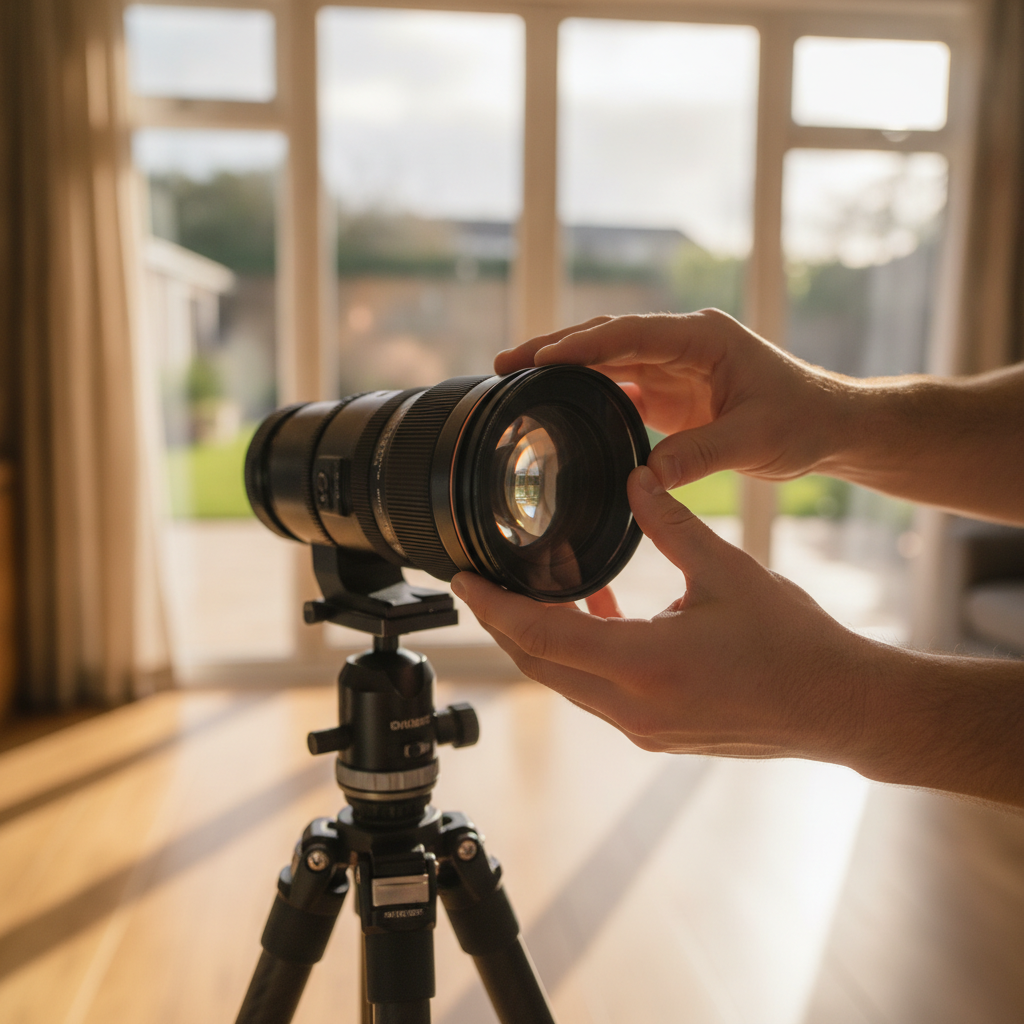
Cinematic 4K Video Tours
- Purpose: convey flow, scale, and sightlines no still can show.
- Capture: stabilized gimbal moves, 16:9 framing, and intentional reveals (60–120 seconds typical).
- Add-ons: lifestyle B-roll, agent VO, or subtle kinetic text for brand cues.
For a deeper dive into storyboarding, see our videography guide—it maps out shot sequences that keep viewers engaged beyond the first 5 seconds.
Vertical Video (social-first)
- Format: 9:16 reels or TikToks (15–45 seconds) highlighting hero spaces and lifestyle features.
- Why it converts: short hooks, punchy edits, and captions drive saves and shares within hours of posting.
- Best uses: pre-listing teasers, open house reminders, and neighborhood vibes.
Pair verticals with a tight carousel of HDR stills to keep feed engagement high the week you go live.
Drone Photography and Aerial Video
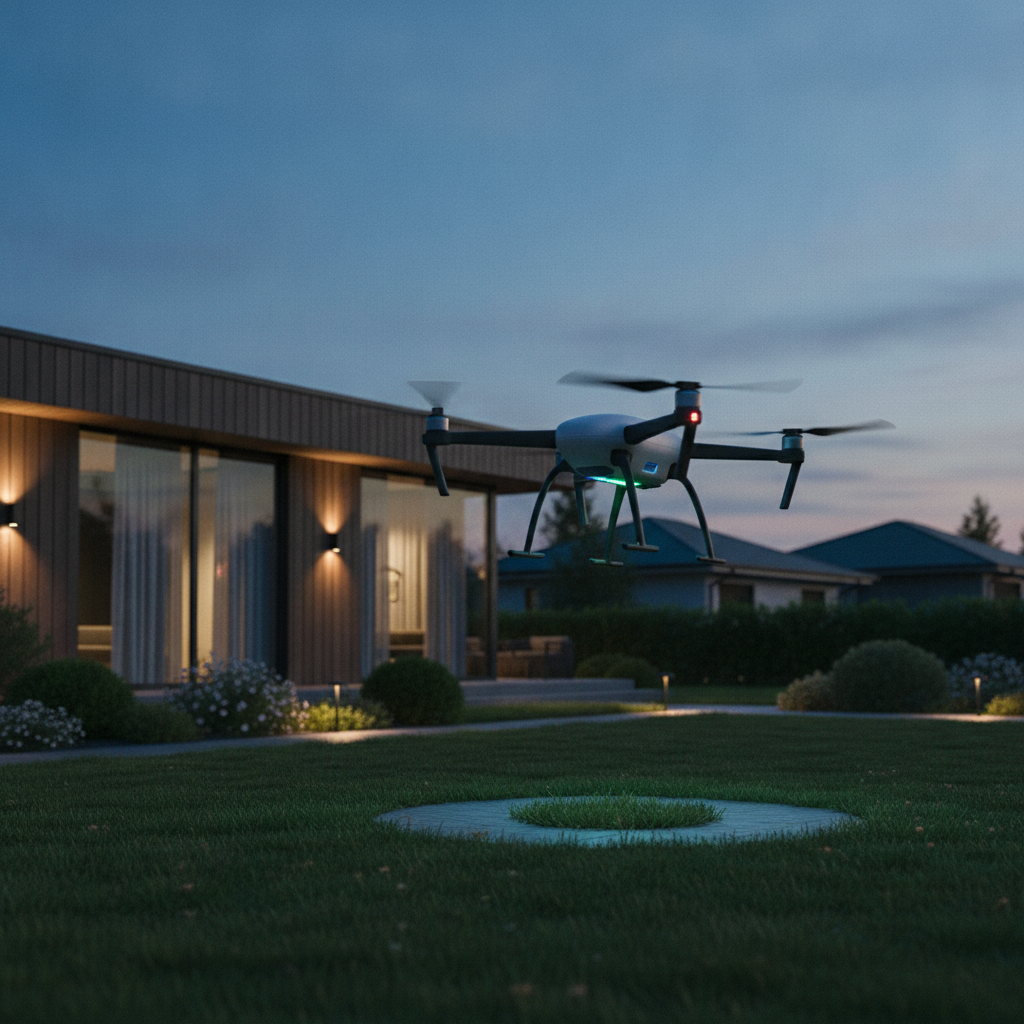
- Value: context, lot lines (illustrative), and proximity cues in a single sweep.
- Operations: flown below 400 ft AGL with pre-flight checklists, weather review, and site scans.
- Deliverables: 6–12 stills and 10–30 seconds of cinematic establishers.
Aerials shine for acreage, view corridors, cul-de-sacs, and amenity adjacency. Even for compact lots, one high-angle front elevation anchors web galleries.
2D Floorplans
- Clarity: labeled rooms, total area, and circulation paths reduce viewing friction.
- Process: on-site scanning pass; vector layout with legends and measurements.
- Use cases: MLS attachments, feature sheets, buyer takeaways, and builder collateral.
When paired with photos, floorplans answer the “Does that king bed fit?” and “Where’s the pantry?” questions before a buyer books a tour.
Brand and Commercial Visuals (when listings need more)
- Restaurant or amenity tie-ins: tasteful environment shots support lifestyle narratives.
- Team presence: clean agent or team portraits strengthen brand trust on landing pages.
- Community context: subtle environmental details that stay within platform rules.
Our broader capabilities across real estate media companies style help keep branding coherent from listing to social.
Best Practices to Maximize Value (Without Overspending)
Maximize value by focusing on the story, not volume. Prep spaces, define hero rooms, select only the media that advances your narrative, and schedule to capture exteriors at their best. Smart scoping beats adding unused deliverables every time.
Prep that pays off
- Declutter by category: remove 60–80% of small items from counters and vanities.
- Light discipline: replace warm-cool bulb mixes; aim for consistent 2700–3500K.
- Window strategy: clean glass, open blinds evenly, and stage two “view” anchors per level.
Shot list discipline
- List hero spaces first: kitchen, great room, primary suite, and outdoor living.
- Cap per-room angles: 2–3 per key room; 1 for small baths or closets.
- Sequence smartly: exteriors during best light; interiors while the sun is high.
Platform-optimized output
- MLS gallery rhythm: lead with exterior hero, then kitchen/great room, then primary suite.
- Social cadence: 1–2 verticals in the first 24 hours; follow with a carousel the next morning.
- Feature sheet ready: reserve 6–10 frames that print cleanly at 300 DPI.
When you’re ready to scope, our pricing framework overview shows how we right-size deliverables against timing and goals—no surprises.
Tools and Resources for Faster Planning
Use a simple pre-production checklist, a shot list, and a delivery calendar to plan faster. Reference platform specs, gather access details, and lock time-sensitive exteriors first. The result is smoother shoots and predictable delivery—especially during peak season.
- Pre-production form: address, access, staging notes, HOA rules, parking, pets.
- Shot list template: prioritize 12–18 core frames; mark 3 alternates.
- Delivery plan: target MLS go-live by 10 a.m. midweek; schedule social within 24 hours.
For marketing collateral ideas, see this overview of feature sheets that pair well with HDR galleries and floorplans. For broader market context, a regional market guide can inspire positioning even if your listing is in BC. And if you’re budgeting overall seller services, here’s a general look at realtor fees as one piece of the total marketing equation.
Free 10-minute scoping call: Not sure which deliverables your listing needs? We’ll map square footage, story, and schedule into a lean plan that performs. Start with our real estate media overview and we’ll tailor from there.
Process and Timelines (What to Expect)
Expect a streamlined four-stage process: discovery, shoot, edit, and delivery. Each stage has clear handoffs and timelines, so you can coordinate staging, MLS, and open houses without juggling unknowns.
| Stage | What We Do | Typical Window | Your Role |
|---|---|---|---|
| Discovery | Scope, deliverables, schedule, and access details | 15–30 minutes | Share brief, confirm dates, prep notes |
| Shoot | HDR stills, video moves, drone (if approved), floorplan scan | 60–180 minutes | Ensure access, staging, and parking |
| Edit | Color, HDR blend, cuts, soundbed, graphics, vector plan | Same/next-day options | Review selects if requested |
| Delivery | MLS-ready set plus social crops and plan PDFs | By agreed go-live | Publish, post, and promote |
Curious how this flexes for builders or developers? Our broader real estate media experience covers model homes, display suites, and amenity packages at scale.
Case Studies and Real-World Examples
Right-sized media plans outperform one-size-fits-all. These Maple Ridge and Greater Vancouver examples show how scoped deliverables create cleaner galleries, stronger engagement, and fewer buyer objections—without bloating timelines.
Maple Ridge townhome (3 bed)
- Scope: HDR photo set, single 9:16 reel, simple 2D floorplan.
- Outcome: 28 final images; reel posted within 24 hours; open house booked before the weekend.
- Why it worked: flow-focused gallery, clean bath angles, and a clear plan clarified usable space.
Surrey detached (5 bed + yard)
- Scope: HDR stills, 90-second cinematic tour, twilight exterior, and aerials.
- Outcome: 52 final images; tour completion rate over 70% on the listing page; strong weekend turnout.
- Why it worked: narrative pacing plus drone established lot size and privacy quickly.
Langley condo (2 bed)
- Scope: HDR stills and a compact floorplan; optional agent-led vertical clip.
- Outcome: 24 final images; fewer sizing questions during showings; clean offer discussions.
- Why it worked: simple plan aligned to first-time-buyer questions and budgeted timelines.
Results like these rely on disciplined scoping. If you want a second opinion on a pending listing, share the brief—we’ll match media to story and schedule.
Frequently Asked Questions
Agents ask about scope, timelines, rights, and add-ons. Here are clear answers that help you plan listings with confidence—no surprises, no jargon.
What does real estate photography pricing usually include?
It typically includes on-site capture time, editing, and delivery of MLS-ready images. Add-ons like video tours, vertical reels, drone coverage, and 2D floorplans are scoped based on property size and timeline. Rights for MLS, web, and social are standard; print and builder use can be added.
How far in advance should I book a shoot?
Book as soon as you have staging dates. In peak months, prime exterior light windows can fill a week out. Locking a slot 5–7 days ahead protects your MLS target and gives time to adjust for weather, especially for twilight exteriors and drone.
Do I need drone coverage for every listing?
Not always. Drone shines when lot size, views, or neighborhood layout matter. For compact urban lots or heavily treed sites, a strong ground-level set plus a cinematic tour may tell the story better. We assess airspace and weather before confirming aerials.
How fast can I get final media?
Timelines depend on scope, but next-business-day images are common, with video and floorplans following as scheduled. We align delivery to your MLS go-live and open house dates, and we can stage social teasers within 24 hours when needed.
Can you help with social media content around the listing?
Yes. We plan vertical reels and post-ready carousels tied to your go-live date. Consistent cadence—teaser, launch, recap—keeps interest high through the first 72 hours, when engagement and inquiries typically spike.
Key Takeaways
Right-size your media to the story and schedule. Lock exteriors during best light, choose only the assets that move buyers, and keep delivery aligned to MLS and social timelines. That’s how you stretch value without sacrificing polish.
- Scope, media mix, and timeline drive value more than volume.
- HDR photos, a simple floorplan, and one strong video often outperform bloated sets.
- Maple Ridge and BC conditions reward smart scheduling and pre-flight prep.
- Social-first verticals can move interest within 24 hours of launch.
Conclusion: Build the Right Media Plan—Every Time
A clear scope and focused deliverables beat “more stuff” every time. When you align listing goals, capture plan, and delivery windows, you reduce friction for buyers and agents—and listings move cleaner and faster.
If you’d like a fast, no-pressure scope for your next Maple Ridge or Greater Vancouver listing, start with our real estate media overview or skim the realtor social primer. We’ll align the mix—photos, video, floorplans, and drone—to your timeline.