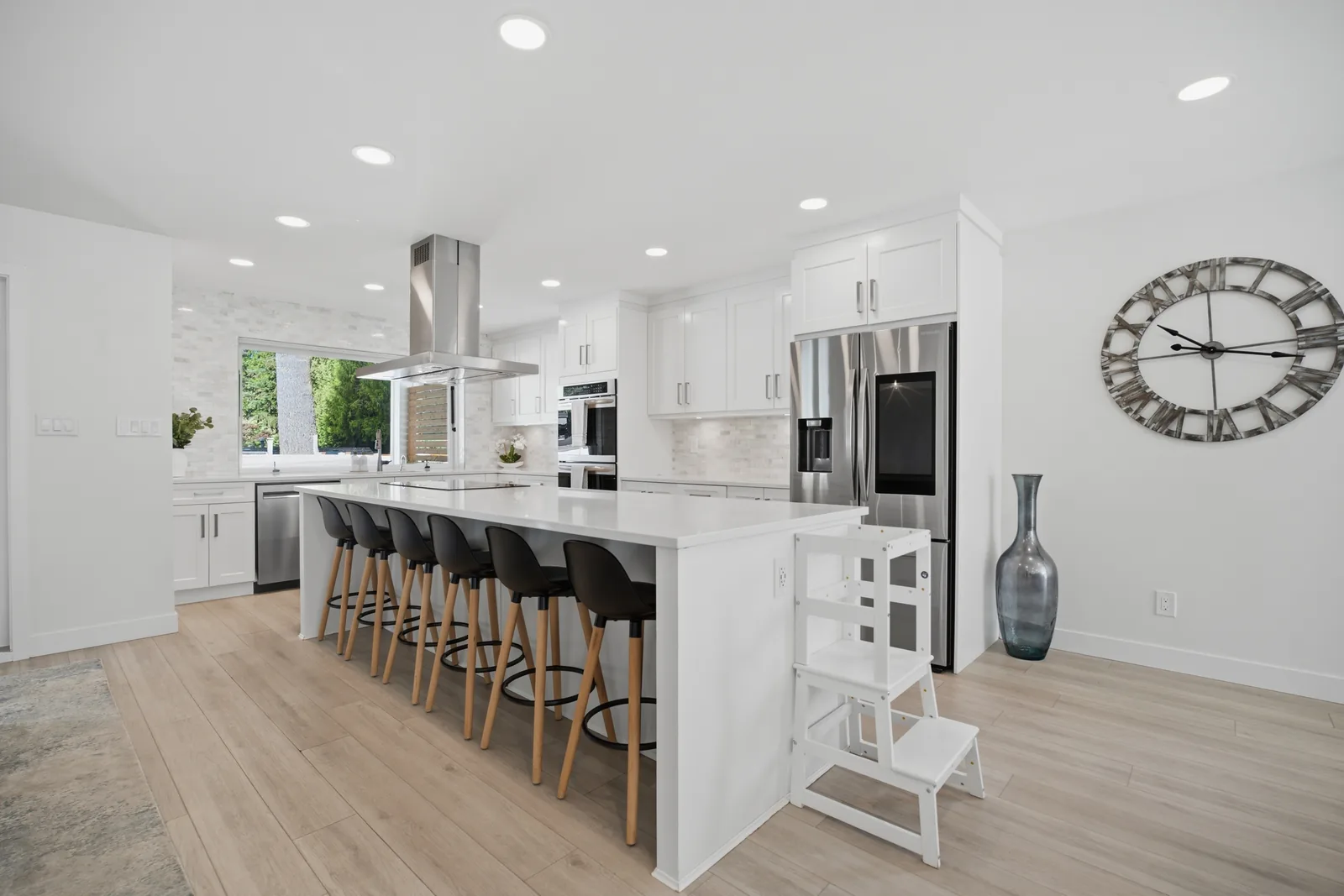
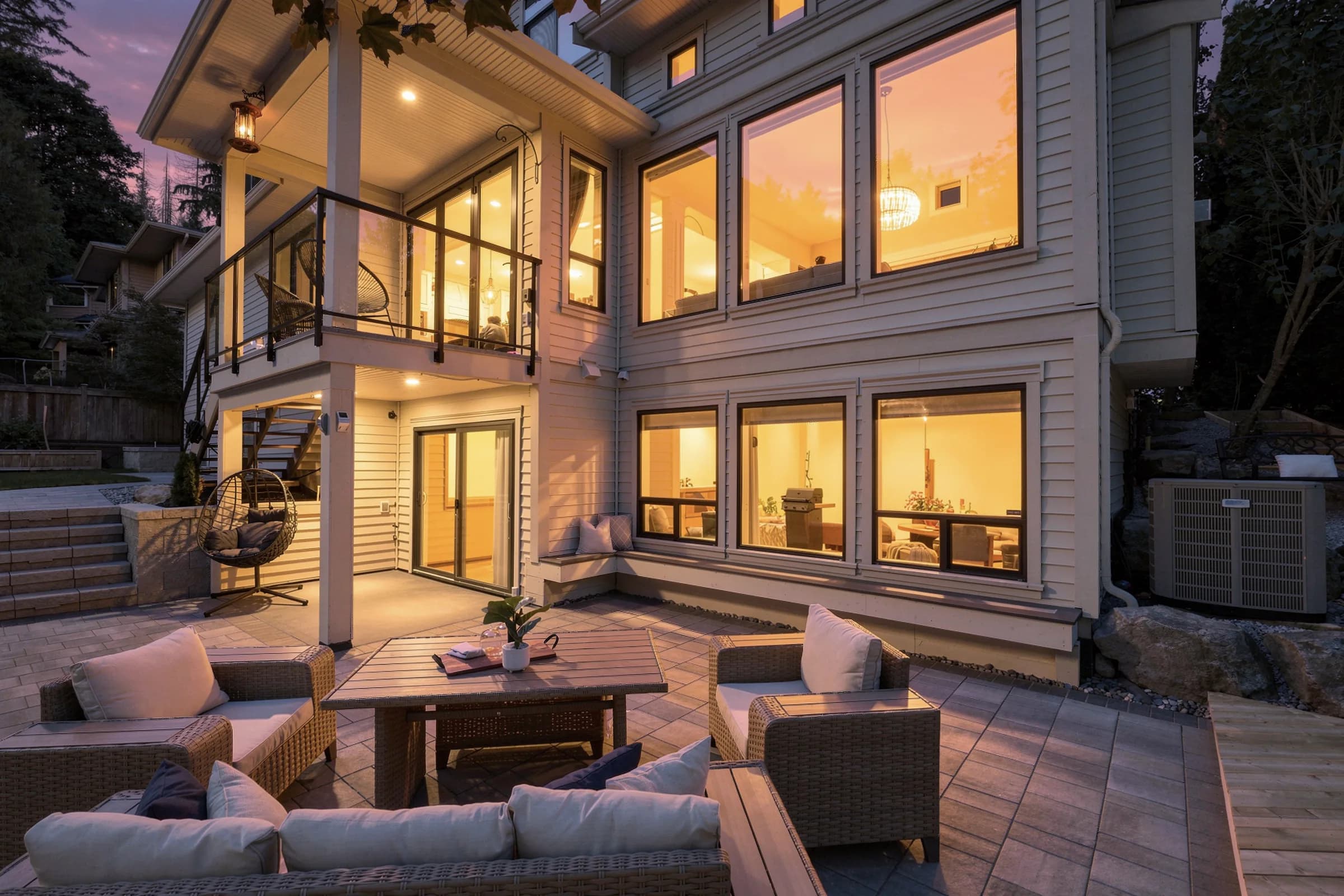
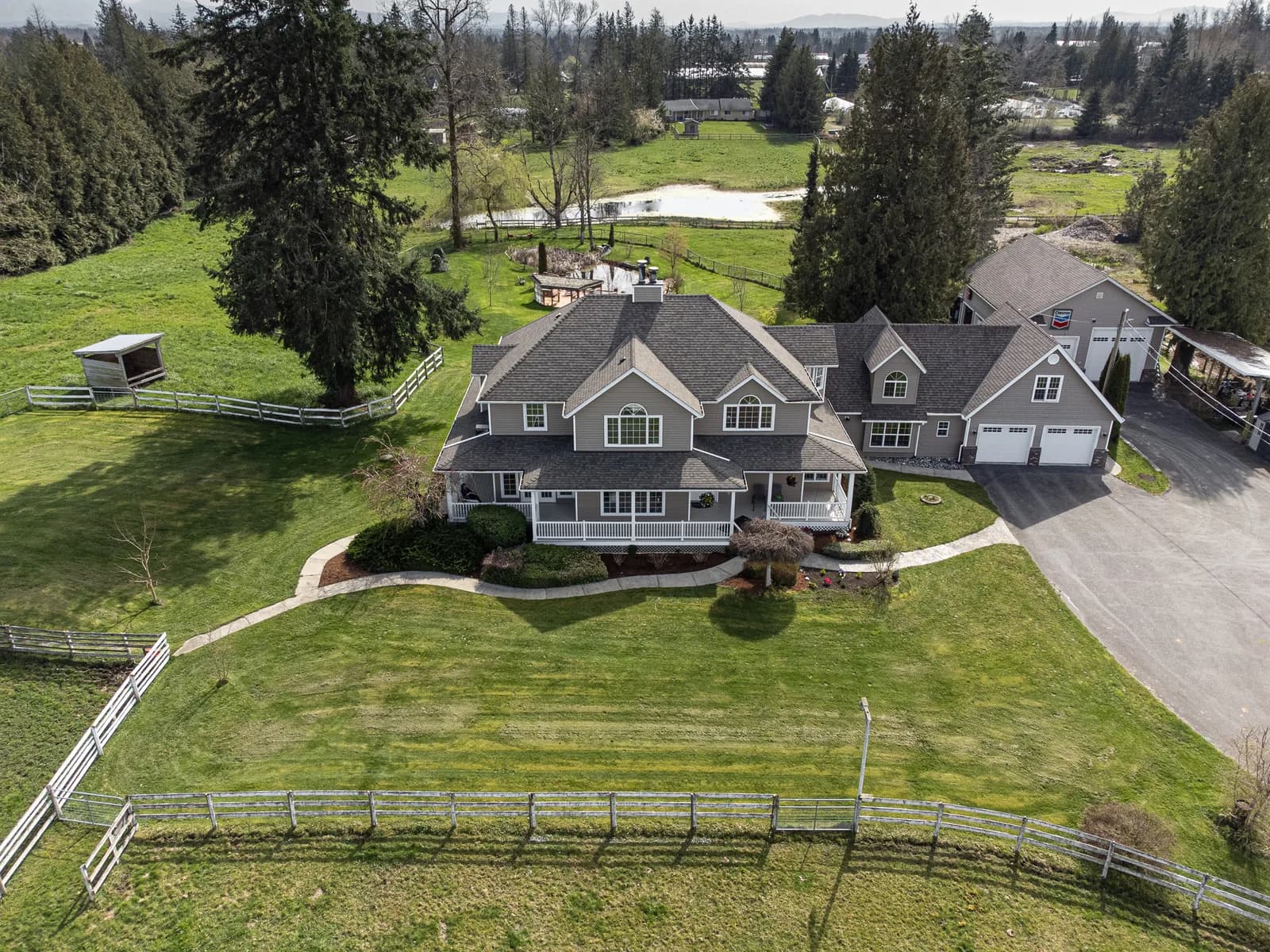
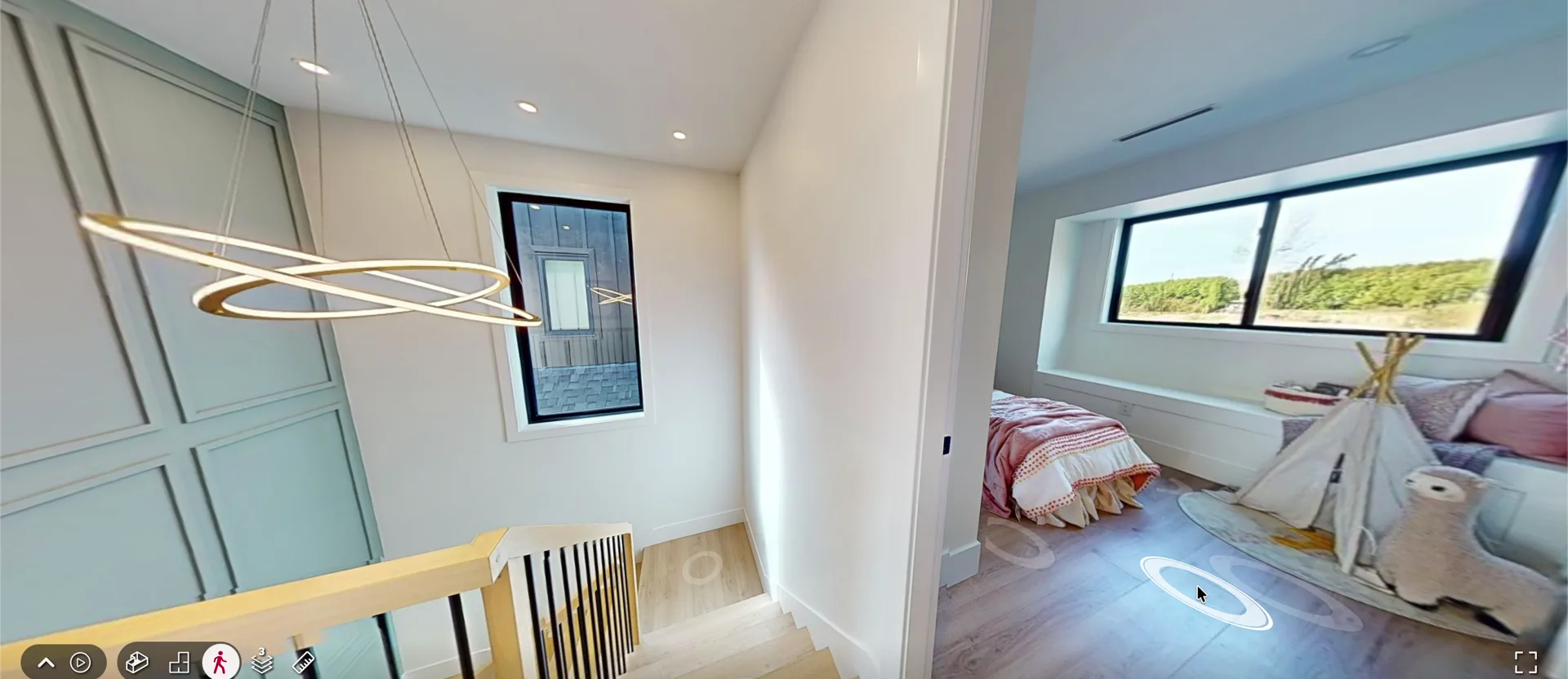
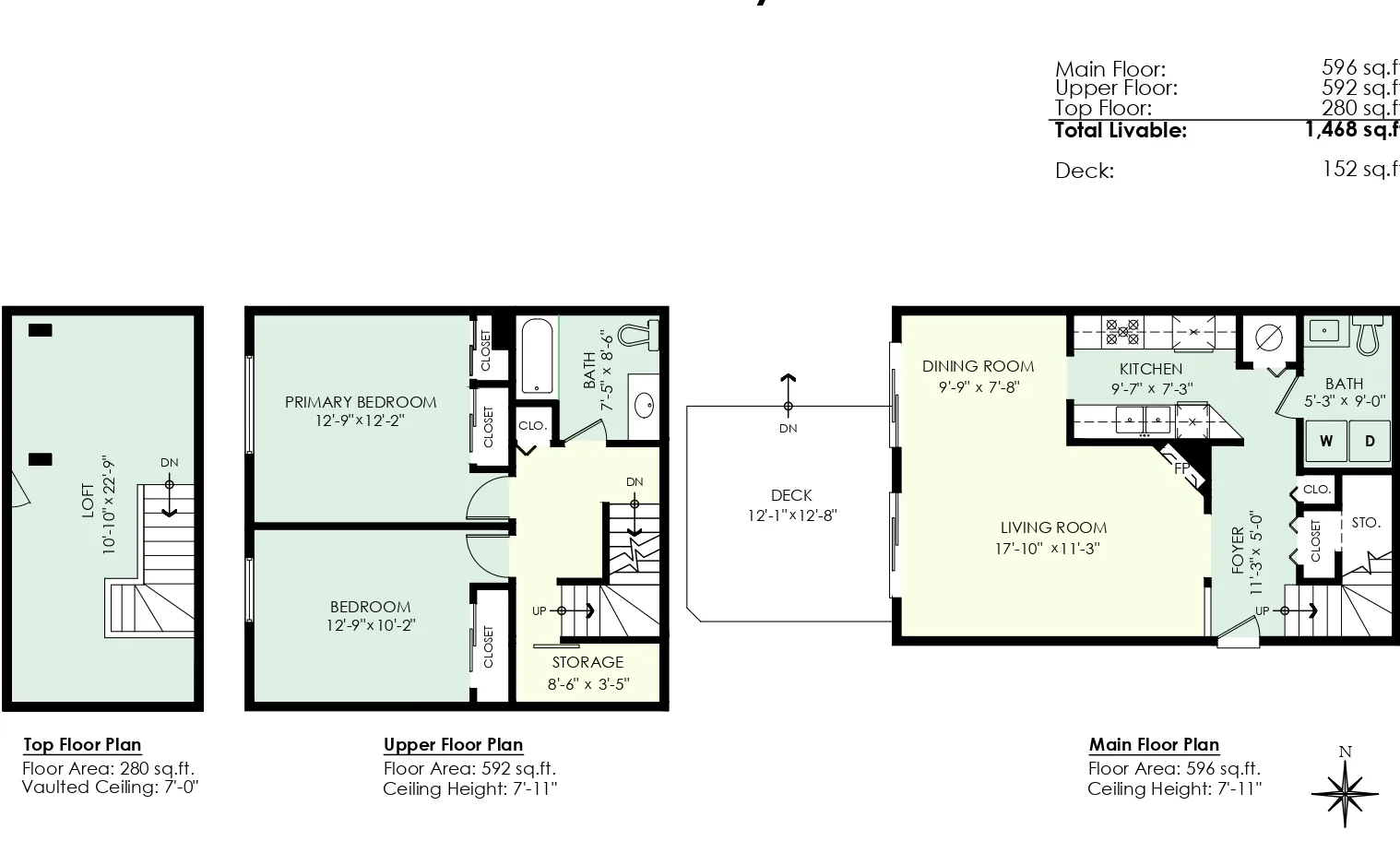
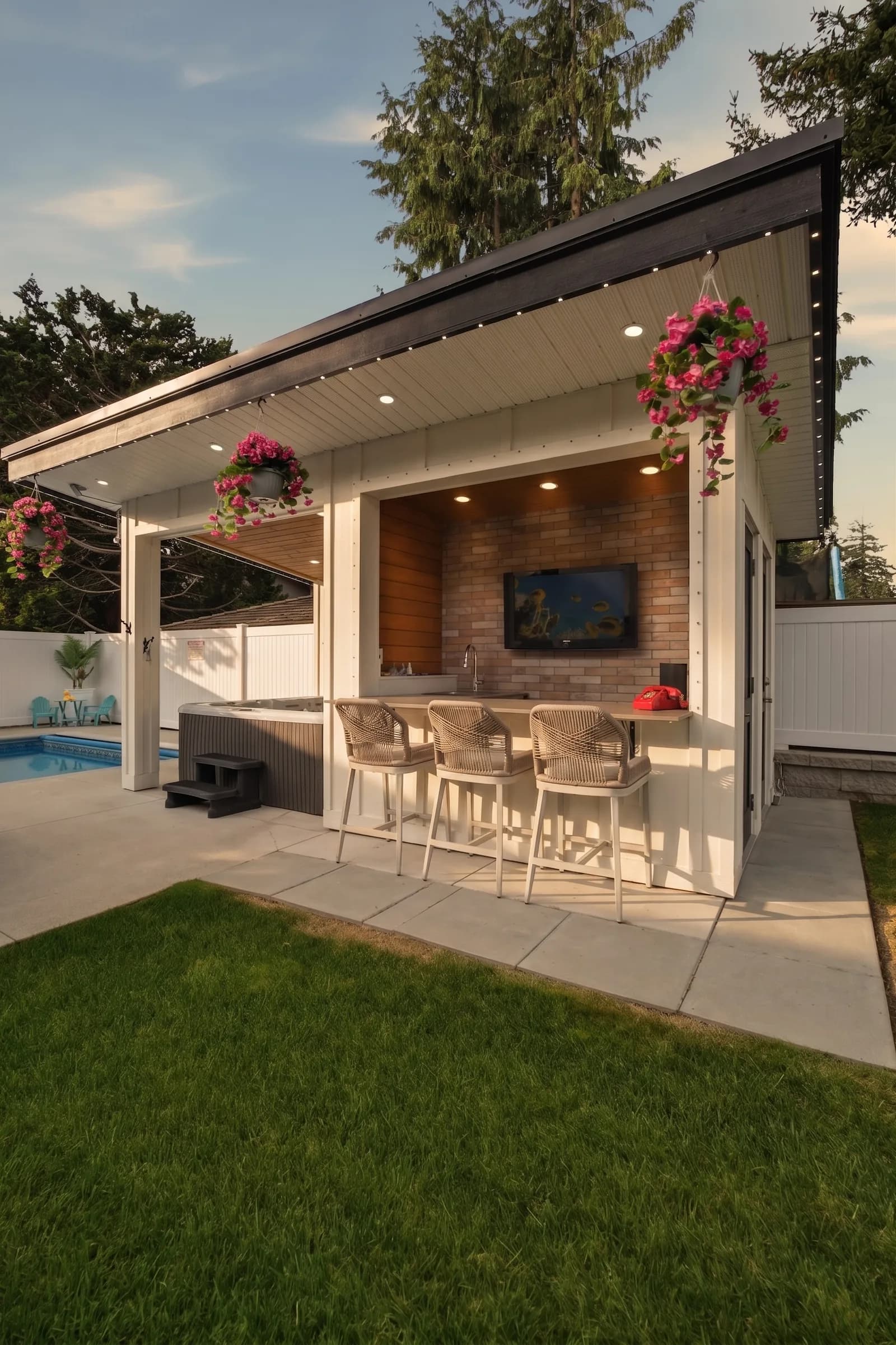
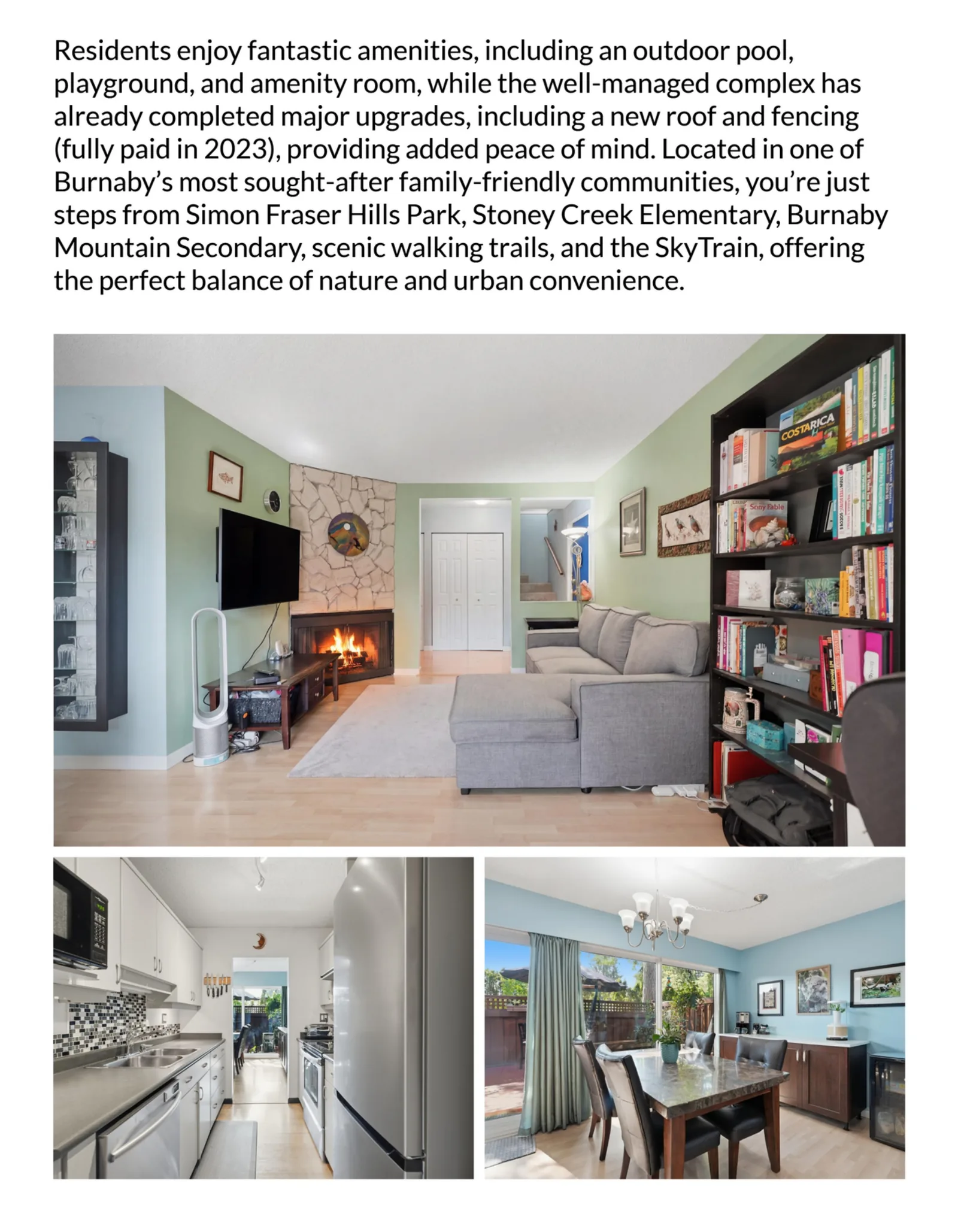
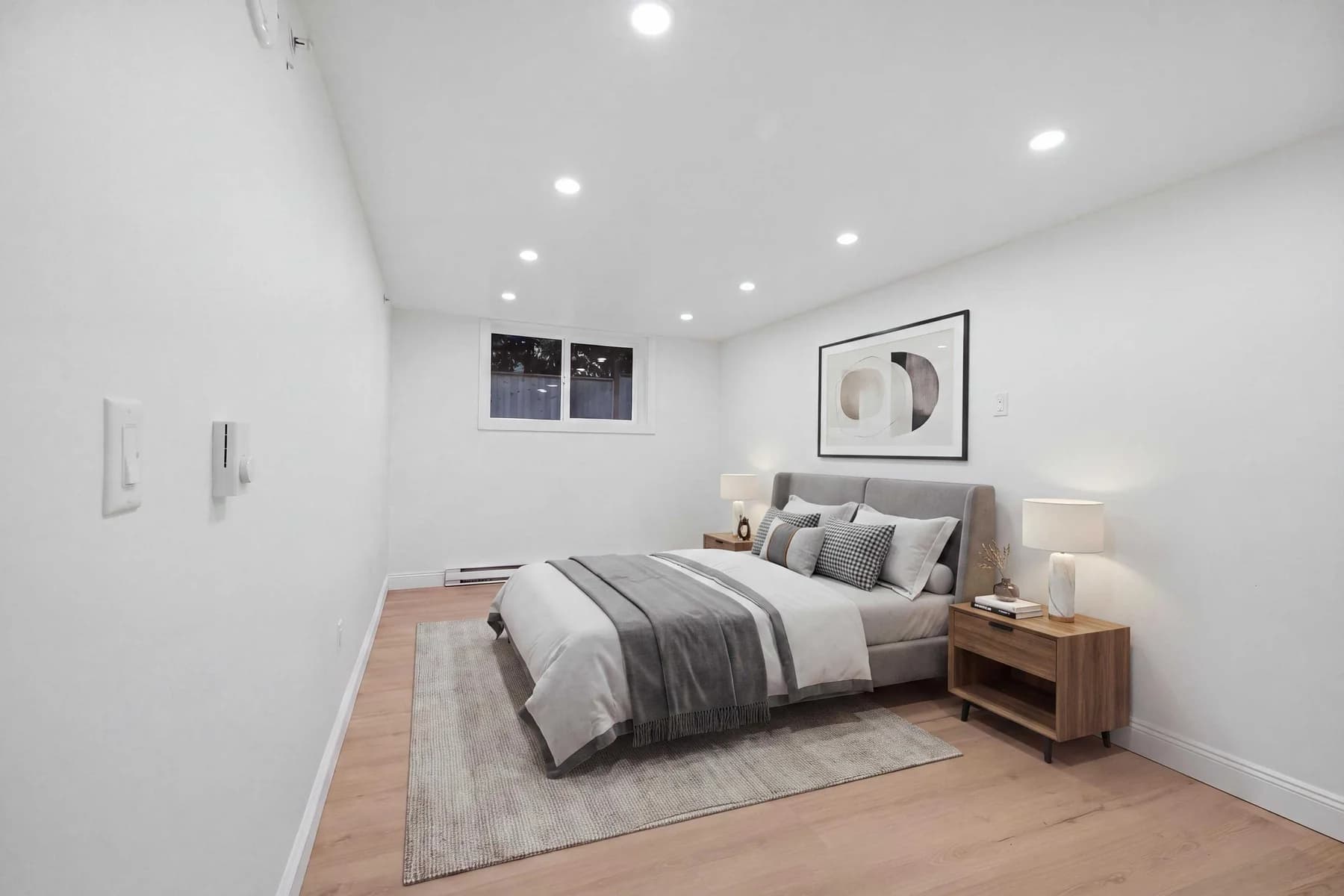
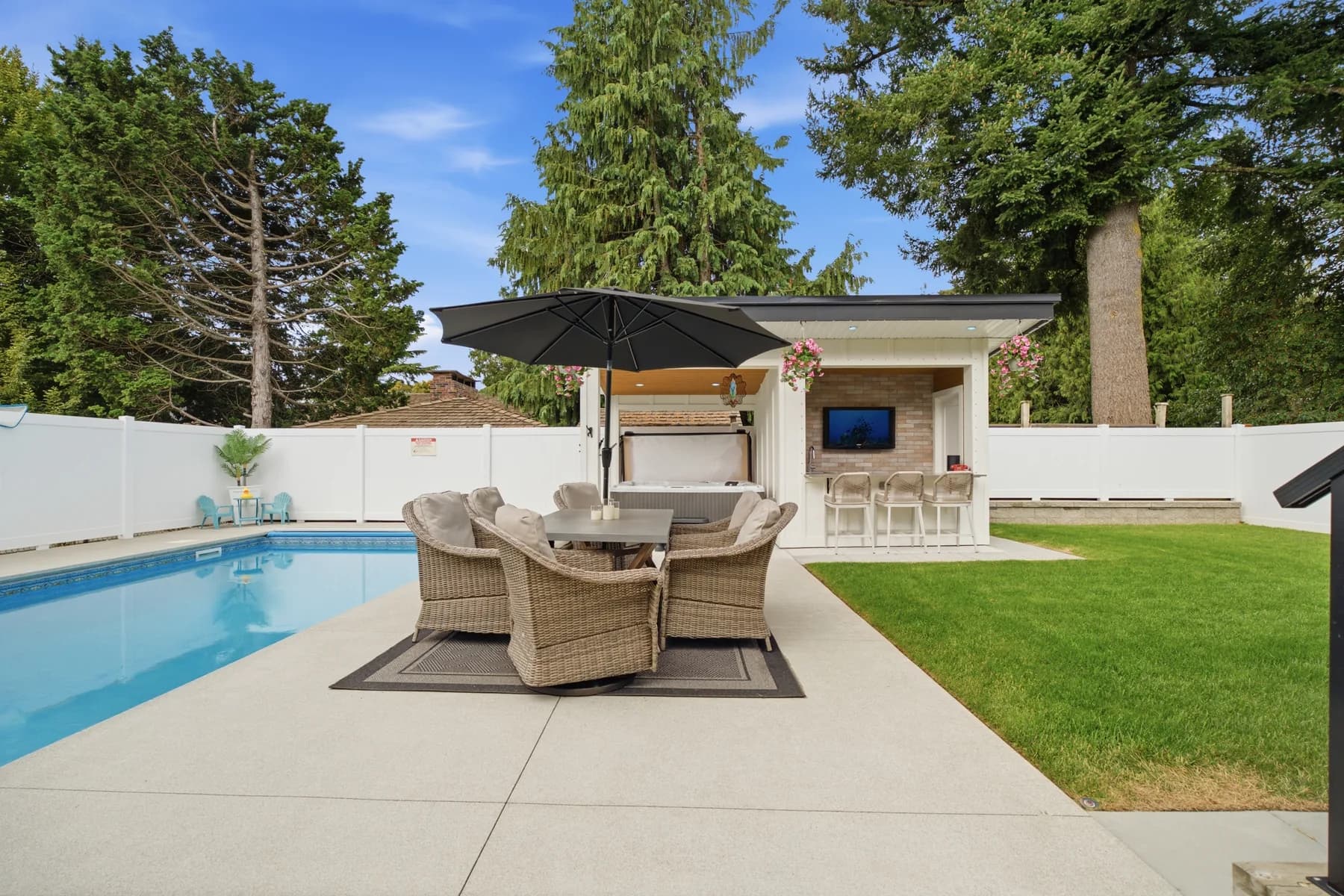
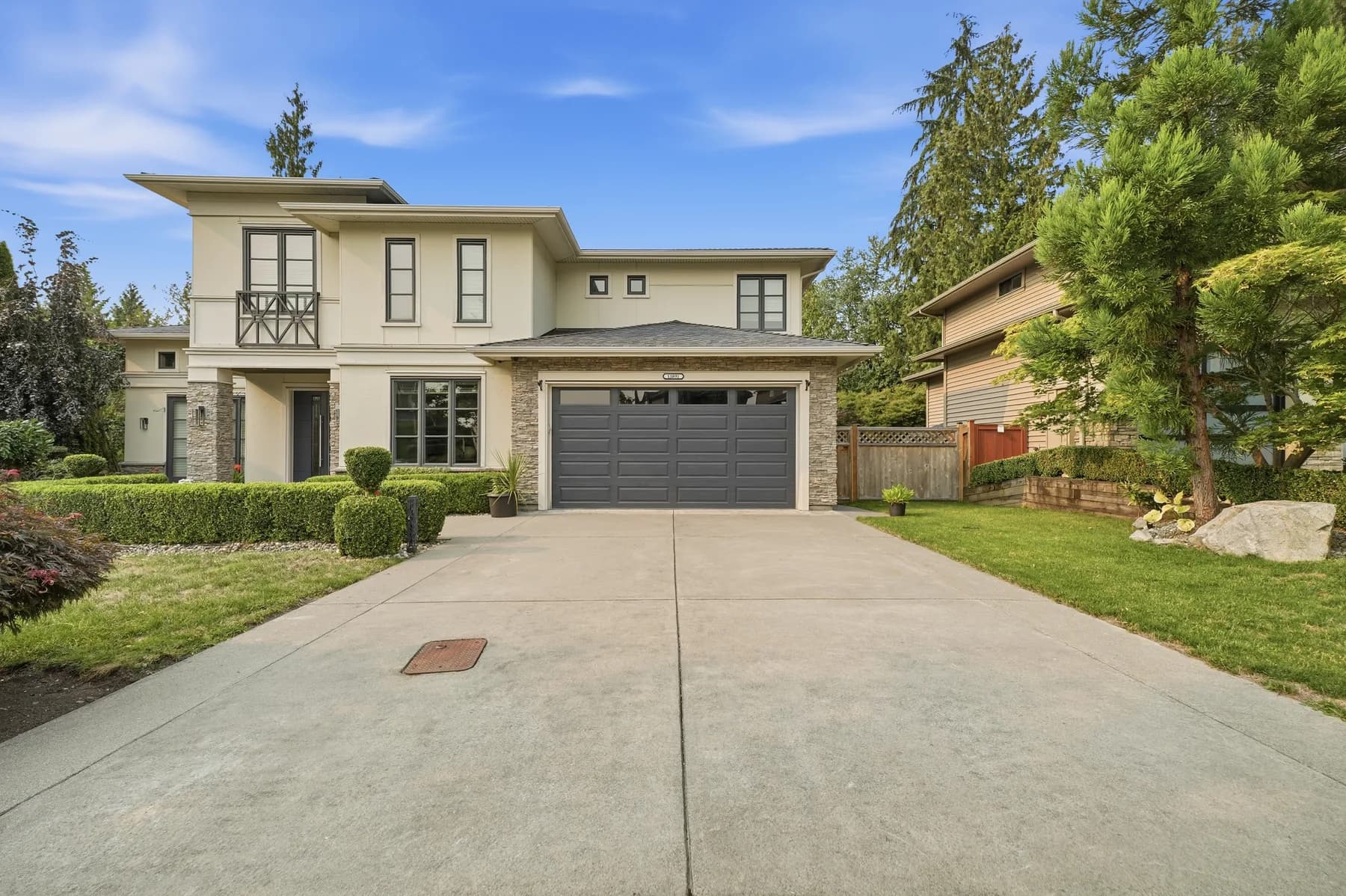
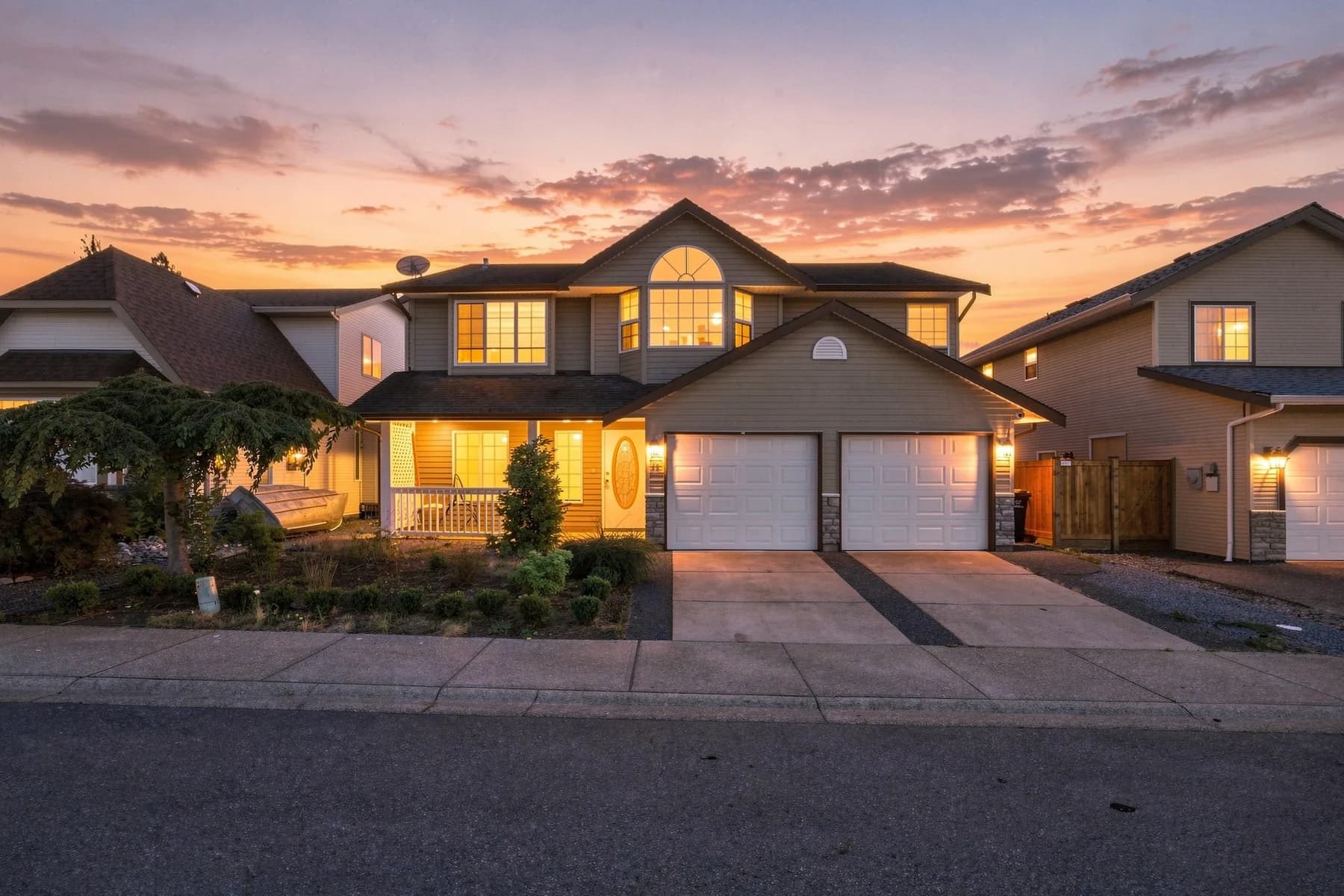
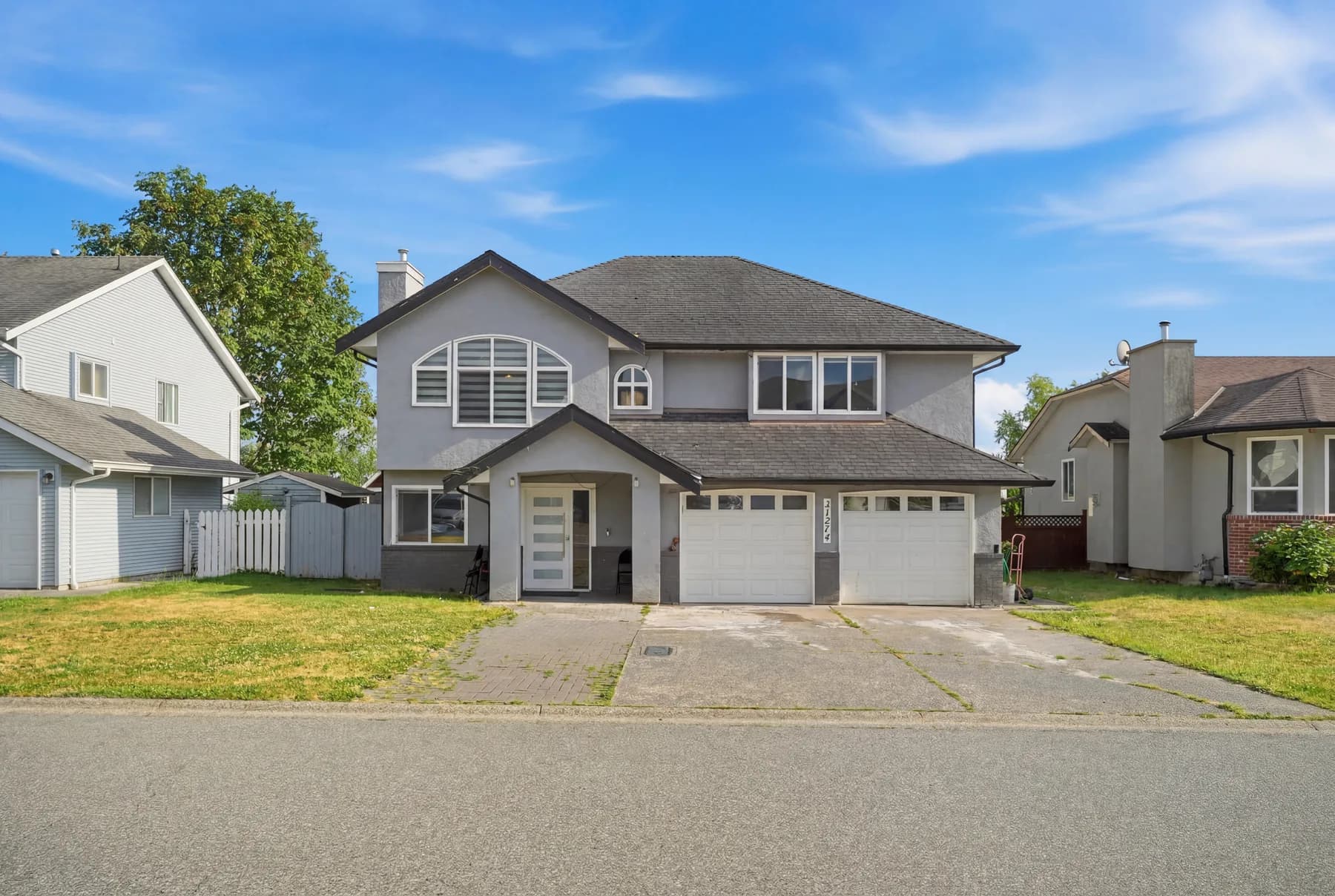
A real estate photography portfolio is a curated collection of your best listing photos and related media that proves your style, consistency, and results. Based in Maple Ridge, BC at 13260 236 St, Silver Valley Studios Inc. builds portfolios that feature HDR photos, cinematic video tours, 2D floorplans, and drone coverage—so realtors quickly see value and book with confidence.

By Sumeet S., Founder & CEO — Silver Valley Studios Inc.
Last updated: 2026-06-02
Overview: what youll build and why it wins
A winning real estate photography portfolio shows breadth (interiors, exteriors, twilight, drone) and depth (repeatable quality across homes and brands). It connects the dots—problem, process, and results—so busy agents trust you for tomorrows listing. Aim for tight curation, fast loading, and clear calls to action.

Heres the thing: buyers and sellers make snap decisions from visuals. Your portfolio is the proof. In our experience serving Greater Vancouver and Vancouver Island, the right mix of images, short-form video, and floorplans reduces second-guessing and speeds bookings.

- What youll create: a streamlined, mobile-fast portfolio with photos, video tours, drone, and 2D floorplans.
- Who its for: realtors, property developers, and local brands expecting clean, on-brand visuals.
- Outcome: more listing inquiries, stronger social engagement, and easier selection by teams.
What is a real estate photography portfolio?
A real estate photography portfolio is a curated set of property visuals—photos, video, drone, and floorplans—organized to demonstrate style, reliability, and results. Its job is to help agents evaluate your fit in 60 seconds and move them to contact or book a shoot.
Think of your portfolio as a product page for your creative approach. It tells a tight story across a few hero projects, then lets visitors scan galleries, reels, and space plans with zero friction. Silver Valley Studios Inc. structures portfolios around real deliverables: HDR photos, cinematic 4K video, vertical snippets, drone, and accurate 2D floorplans.

Why your portfolio matters in 2026
Your portfolio is often the first impression and final filter. It signals quality, speed, and trust. When it highlights repeatable results across price points, agents feel safe choosing you for tomorrows listing without endless back-and-forth.
Agents skim dozens of providers each week. Clear visual standards and concise case notes outperform bloated galleries. Lean structure beats volume: the fastest path to a booking is a portfolio that looks sharp on mobile, loads quickly, and answers objections with proof.
Want a useful outside lens on listing content expectations? Scan this practical real estate listings guide to compare what home shoppers expect to see and how agents package information today.
How a top-tier portfolio works (step-by-step)
Build a high-performing portfolio by curating 8–12 hero projects, standardizing image specs, writing short outcome blurbs, and offering one-tap booking. Maintain it weekly. Pair photos with video, drone, and floorplans so each project reads like a complete marketing package.
- Define audience and promise. Target realtors, developers, and brand managers. Promise consistency and speed.
- Collect assets. HDR interiors/exteriors, twilight sets, cinematic tours, vertical reels, drone, 2D floorplans.
- Curate 8–12 hero projects. Each with 12–24 images, 1 short video, 1–2 lines on context and results.
- Standardize specs. sRGB, balanced white, level verticals, web-friendly sizes.
- Design the page. Hero project grid, filters (residential, commercial, brand), one-tap contact.
- Publish and test. Mobile-first load, alt text, caption clarity, working CTAs.
- Maintain weekly. Replace older sets, add fresh reels, keep case notes brief.
| Phase | Primary Output | Success Check |
|---|---|---|
| Curation | 8–12 hero projects | Distinct styles, zero duplicates |
| Standardization | sRGB, leveled lines | Consistent color across sets |
| Story | 1–2 line outcomes | Clear before/after context |
| Conversion | One-tap contact | CTA above and below fold |
Prefer learning by example? Browse our live portfolio highlights and notice the tight curation and consistent color handling.
Types of assets to include (beyond photos)
Modern real estate portfolios mix stills with motion and plans: HDR photos, cinematic video tours, vertical clips, drone twilight, and accurate 2D floorplans. The combination demonstrates coverage depth and helps agents visualize the complete marketing package.
Core listing visuals
- HDR photos: Clean, naturally balanced interiors and exteriors with leveled verticals and controlled highlights.
- Cinematic 4K video tours: Fluid gimbal movement, doorway reveals, and room-to-room flow that mirrors a real walkthrough.
- Vertical video (reels/shorts): 10–20 second cuts for Instagram and TikTok; punchy hooks and big hero frames.
- Drone photography and video: Establishing shots, lot context, nearby scenery, and golden-hour exteriors.
- 2D floorplans: Accurate layouts that help buyers understand flow and scale; critical for remote shoppers.
Support visuals and context
- Before/after angles: Show staging and lighting impact with two or three comparative frames.
- Detail vignettes: Hardware, textures, and finish work that elevate perceived quality.
- Brand content: For builders and restaurants, include on-brand social clips to prove range.
See how we wrap these components into cohesive deliverables on our Services page and dedicated Videography Services overview.

Curation framework and structure
Curate for clarity, not volume. Lead with 8–12 hero projects that span home types and price bands. Keep captions short, show 12–24 images per project, and place CTAs where scanning eyes naturally pause.
How to select hero projects
- Range: Include condos, single-family, luxury new builds, and commercial spaces.
- Recency: Favor recent work; swap out sets older than 6–9 months.
- Consistency: Prioritize projects that show repeatable color and composition under different lighting.
- Results: Prefer projects where the listing sold quickly or social engagement spiked.
How to lay out the page
- Hero grid: 2–3 rows of projects with short labels (e.g., Langley | New Build).
- Project page: 12–24 images sequenced from curb appeal to main living, kitchen, primary, amenities, outdoor.
- CTA placement: One above the fold, one after hero grid, one at the end.
- Filters: Residential, commercial, branding, and restaurant (if applicable).
For structure inspiration, you can browse general portfolio patterns like this portfolio gallery to spark layout ideas. Then compare with our real client work such as the corporate office project and the gourmet bistro feature.
Visual standards and technical specs (repeatable quality)
Set non-negotiable visual rules: leveled verticals, accurate white balance, smooth highlight roll-off, and sRGB color. Export web-friendly sizes, descriptive alt text, and consistent file naming. These standards make your portfolio load fast and feel professional.
Capture and color
- Color space: Work in sRGB for web consistency.
- White balance: Neutralize mixed lighting; aim for clean, natural tonality.
- Verticals & horizons: Keep lines straight; fix parallax where necessary.
- Dynamic range: Blend exposures to protect window detail without gray interiors.
Export and accessibility
- Web sizes: 1600–2048 px long edge for hero images; 1200 px for grids.
- Formats: JPEG or modern WebP; balanced compression for speed and clarity.
- Alt text: Describe room, style, and purpose (e.g., Bright kitchen with island), not only keywords.
- File names: project-city-room-angle-seq.jpg for sanity and SEO.
Have video in the mix? Keep embeds short and relevant, and link to our videography overview for deeper specs and examples.
Local SEO and region-specific signals
Signal your service region inside the work itself—captions, project titles, and case blurbs. For Maple Ridge and the BC Lower Mainland, mention neighborhoods, seasonal light, and common home styles. Localized phrasing helps both search engines and voice assistants match you to nearby listings.
We weave subtle regional cues into captions and project names so they resonate with Greater Vancouver agents skimming on mobile. Its human-friendly and SEO-smart—especially when your images already show familiar siding styles, landscaping, and cloud cover common in the area.
Local considerations for Maple Ridge
- Plan shoots with flexible windows to work around coastal overcast; soft light flatters interiors.
- Lean into seasonal twilight exteriors from late spring through early fall for richer skies.
- For new builds and townhomes, pair drone context with 2D floorplans; remote buyers love clarity.
Best practices and checklists (so nothing slips)
Use concise checklists for every shoot and for the portfolio itself: room coverage counts, composition notes, export specs, caption style, and update cadence. The habit turns quality into muscle memory and keeps your portfolio fresh.
On-shoot checklist
- Entry, main living, kitchen, dining, primary bed/bath, secondary rooms, office, laundry, amenities.
- 5–8 images per key room; wide + detail duo for kitchen and baths.
- Exterior fronts, rears, and amenities; drone where allowed and useful for context.
- Capture a 10–20 second vertical clip per hero room for reels.
Portfolio-update checklist
- Replace two older projects every month with recent work.
- Refresh one hero image on your home or portfolio page weekly.
- Rotate a short-form reel and a floorplan sample near the top each quarter.
- Retire any gallery that no longer reflects your current standard.
To see this discipline reflected in live work, look through our curated portfolio page and notice how recent sets stay above the fold.
Tools and resources (build and manage faster)
Pick tools that make curation quick and updates painless. You want fast galleries, clean video embeds, and simple alt/caption editing. Maintain a portfolio collection in your DAM so swapping in fresh work is a 10-minute task.
Production & management
- Capture: Full-frame body with 16–35mm, sturdy tripod, polarizer; drone for context.
- Edit: Non-destructive RAW workflow; batch color matching; lens corrections.
- Asset library: Tag star images and reels by room, style, and result (sold-fast, record-interest).
Portfolio inspiration and layout ideas
- Skim this portfolio category layout to consider filter and tile options.
- Compare multi-project grids in this curated gallery example as you sketch your structure.
- Then align deliverables with our Services and Videography Services so prospects see everything they can book.
New to our studio? Meet the team behind the work on our About Us page for process and philosophy.
Case studies and examples (12 quick snapshots)
Mini case stories prove repeatability. For each project, share the objective, a couple of standout frames, and the marketing result. Keep it to two lines so scanning agents can absorb the pattern across multiple homes quickly.
- Langley new build: Hero kitchen island + pantry detail; reel led to strong saves and next-day showings.
- Surrey family home: Twilight exterior + cozy living vignette; traffic spiked after video tour publish.
- Coquitlam townhouse: Wide living capture + stair detail; floorplan clarified layout for remote buyers.
- Burnaby condo: Window view balance + bathroom finishes; vertical clip drove DM inquiries.
- Richmond duplex: Street-front curb appeal + patio lifestyle frame; drone revealed lot advantages.
- Abbotsford acreage: Aerial property sweep + barn textures; 2D plan simplified outbuilding flow.
- Maple Ridge reno: Before/after kitchen angles; carousel post boosted engagement.
- Chilliwack rancher: Garden twilight + primary suite; highlight roll-off kept mood natural.
- Developer spec home: Clean white balance across mixed lighting; project used in brand brochure.
- Luxury waterfront: Gimbal hallway reveal + sunset deck; drone established shoreline context.
- Corporate office: Natural light work areas + meeting rooms; see our real commercial office project.
- Restaurant feature: Ambient dining room + hero dish detail; view the gourmet bistro case.
Soft CTA: If you want help assembling a clean, high-converting portfolio, well organize your assets and build the structure. Start with a quick note on our portfolio page and well reply with a simple plan.
Portfolio launch and promotion (so people actually see it)
Launch with intention: refresh your portfolio, clip a 30-second highlight reel, and post a simple carousel. Pin the reel, link it in bios, and attach your portfolio to every listing appointment email and text.
- Prep the page: New hero projects at the top; alt text checked; CTAs visible on mobile.
- Create a 30-second highlight: 3–4 punchy clips + 2 textless overlays; export vertical.
- Publish a carousel: 8–10 frames from three projects; end on your contact screen.
- Pin & link: Pin the reel; update Instagram and TikTok bios; add portfolio link to email signature.
- Sales enablement: Attach the portfolio link in pre-listing emails and proposal decks.
Need a fresh video sample to anchor the launch? Our Videography Services outline the motion styles that pair best with clean HDR stills and drone context.
Real estate photography portfolio: FAQ
Keep your portfolio tight (8–12 projects), current (update monthly), and actionable (one-tap contact). Mix photos with video, drone, and 2D floorplans. Use short case notes and fresh reels to show both range and repeatable quality.
How many images should each project include?
Aim for 12–24 images per project. Start with curb appeal, then living, kitchen, primary, baths, amenities, and outdoor spaces. Add 1 short video or a 10–20 second vertical clip where it adds context. Keep scanning easy and avoid near-duplicate angles.
How often should I refresh my real estate photography portfolio?
Update monthly. Swap in at least two recent projects and retire older sets that no longer reflect your current standard. Each quarter, rotate a floorplan sample and a fresh short-form reel near the top to signal recency.
Do I really need video tours and floorplans in my portfolio?
Yes—motion and plans complete the story. A cinematic tour shows flow and emotion, while 2D floorplans clarify scale and layout for remote shoppers. Together with stills and drone, they present a complete marketing package and reduce buyer confusion.
What captions or case notes work best?
Keep it to one or two lines: objective, approach, and result. For example, Showed kitchen upgrades with daylight balance; short reel boosted saves and weekend showings. Avoid long paragraphs that slow scanning on mobile.
Conclusion and next steps
Treat your portfolio like a product page: fast, focused, and outcome-driven. Curate 8–12 hero projects, add short motion and floorplans, and refresh monthly. Make action obvious with one-tap contact—your future listings will thank you.
Key takeaways
- Your real estate photography portfolio is a decision tool, not a scrapbook.
- Range + repeatability beats volume; keep only your best, most recent work.
- Mix HDR stills with video, drone, and 2D floorplans to show complete coverage.
- Structure for mobile scanning, fast loads, and clear CTAs.
- Refresh monthly and pin a highlight reel to drive traffic back to your portfolio.
Ready to build or refresh? If youre in Maple Ridge or Greater Vancouver, we can package your next listings with photos, cinematic video, drone, and floorplansand structure a portfolio that converts. Book a discovery session and lets plan your next launch.