


Restaurant photography is the professional creation of menu, interior, and ambiance images that sell the dining experience. For Maple Ridge and BC hospitality teams, Silver Valley Studios Inc. plans and produces clean, naturally lit visuals and short-form video that help menus convert, social posts engage, and reservations grow.
By Silver Valley Studios Inc. — Last updated: 2026-06-09
Above-the-Fold Section: Hook, Overview, and Table of Contents
Great restaurant photography turns dishes, interiors, and brand moments into persuasive visuals that drive bookings and takeout. This guide explains what it is, why it matters, and how to plan, light, style, and shoot for menus and social. Use the checklists, shot lists, and templates to streamline production.
Busy service. Dim dining rooms. Melting garnishes. Restaurant shoots are fast-moving and unforgiving—yet the images must look effortless. Here’s how we plan and execute hospitality shoots across Greater Vancouver so your next menu, campaign, or grand opening lands with impact.
- What restaurant photography is and how it works in real kitchens
- Why visuals influence menu selection, reviews, and reservations
- Lighting, composition, and styling techniques that travel well
- Efficient shot lists for menus, delivery apps, and social
- Team roles, timeline templates, and day-of checklists
- Examples from Silver Valley Studios Inc. projects
At a Glance
- Primary deliverables: hero dishes, menu standards, ambiance, team moments, vertical reels
- Ideal cadence: seasonal menus, new cocktails, decor refreshes, and events
- Core toolkit: diffused key light + bounce, polarizer, tripod, tethering, backup workflow
What Is Restaurant Photography?
Restaurant photography is the planned capture of food, beverages, interiors, and brand moments to influence purchasing. It includes hero dishes for menus, consistent catalog shots for online ordering, lifestyle scenes for social, and ambiance images that match brand tone across channels.
In hospitality, we photograph more than meals—we photograph decisions. Diners scroll, compare, and choose in seconds. Images need to be accurate to the plate, flattering under mixed lighting, and consistent across menu groups and delivery apps. That balance earns trust and clicks.
Scope and deliverable types
- Menu heroes: Signature dishes styled for print, website, and table tents.
- Catalog standards: Consistent angles for every item used on ordering platforms.
- Ambiance frames: Room, bar, and service details that communicate vibe.
- People and process: Chef plating, bartenders torching garnishes, host greetings.
- Vertical video: 6–12 second loops for Reels/TikTok that stop thumbs fast.
At Silver Valley Studios Inc., we pair a clean, naturally balanced look (with HDR care where needed) to show true color and texture. That’s critical when guests expect the dish they saw online to match the plate at the table.
Why Restaurant Photography Matters
Compelling food and ambiance visuals increase menu confidence, social engagement, and reservation intent. Clear, consistent imagery shortens decision time, improves first impressions, and reduces returns or complaints by accurately setting expectations before arrival.
Most guests browse menus and photos before they book. Strong imagery answers three silent questions: What will I get? How will it feel? Is it worth it? When visuals align with the brand and the plate, hesitation drops and orders rise—online and in person.
- Trust through accuracy: True-to-life color and portion cues reduce mismatched expectations.
- Speed to selection: Organized galleries and consistent angles speed up ordering.
- Brand memory: Signature backgrounds, props, and color help guests recall your name later.
We’ve seen Maple Ridge eateries benefit from seasonal shoot cadence: new cocktails before summer, cozy interior sets ahead of the holidays, and quick updates when plating changes. The rhythm keeps feeds fresh without overhauls.
How Restaurant Photography Works (Planning to Delivery)
A successful hospitality shoot follows a tight flow: brief and shot list, prelight and test, production blocks by course or station, rapid review and adjustments, then structured file delivery. Clear roles and timing protect service and maintain food quality on camera.
Preproduction
- Discovery: Brand tone, hero SKUs, dietary notes, plating sizes, and must-shoot interiors.
- Shot list: Group by menu section; define hero angle, garnish, and surface per dish.
- Logistics: Reserve quiet windows (pre-service or split shift), power access, staging table.
- Prop pull: Houseware + neutral textures; align with your brand palette.
Production day
- Lighting setup: Diffused key (softbox or scrim) near windows; bounce to lift shadows.
- Workflow: Tether capture to review detail at 100%; tweak garnish while hot.
- Blocks: 45–60 minute blocks per section (starters, mains, bar) with buffer.
- People frames: Quick directed actions—salt sprinkle, sauce pour, cheers moment.
Post and delivery
- Color-first edits: True white balance for proteins, consistent skin tones at bar.
- Export sets: Print, web, and vertical crops; files named by menu code.
- Delivery: Organized folders matching your POS or delivery platform taxonomy.
Our restaurant teams in BC appreciate a predictable handoff: a main hero set, a standards set for apps, and a social micro-library with 9:16 loops. That bundle keeps marketing agile between seasons.
Types, Methods, and Approaches
Use a mix of approaches—hero plates for print, standardized catalog shots for ordering, lifestyle scenes for brand, and behind-the-pass process frames. Each format serves a channel, and together they build a complete, believable story.
Shot approaches that work
- 45° hero angle: Natural perspective with depth and appetizing volume.
- Top-down standards: Fast, accurate records for large menus and apps.
- Macro detail: Crisp textures—char, bubbles, herbs—for scroll-stopping crops.
- Environmental wides: Bar backdrops, cozy corners, and glowing pass.
- Motion moments: Torch, pour, toss—micro actions that feel alive.
Lighting in mixed environments
- Window + diffusion: Soft key that flatters most cuisines and skin tones.
- LED panels: Stable color temperature when daylight shifts mid-service.
- Practical lights: Keep the restaurant’s mood; expose to hold highlight shape.
- Polarizer: Tame reflections on glossy plates and cocktails.
| Lighting approach | Best for | Why it works |
|---|---|---|
| Diffused window + bounce | Most plates, breads, salads | Soft contrast, true color, minimal gear |
| Softbox off-axis | Shiny sauces, proteins | Controlled specular highlights and shape |
| Backlight + flags | Translucent drinks | Rim glow, clarity, and bubbles |
| Practical-rich ambient | Evening ambiance | Authentic mood that matches service |
When we shoot in Maple Ridge, we often blend north-facing window light with a large diffusion panel. It preserves the venue’s character while delivering menu-accurate color.
Best Practices That Save Time and Elevate Quality
Protect realism, simplify styling, and standardize angles. Work in small, repeatable moves: stable lighting, consistent props, quick garnish swaps, and tethered checks at 100% to avoid reshoots. Plan people frames early to capture genuine team energy without disrupting service.
Style for appetite and accuracy
- Under-portion slightly to reveal edges; never mislead on size.
- Hero garnish: Place signature elements last and fresh.
- Temperature timing: Soup and steak first; frozen desserts last.
Keep the set nimble
- Mobile cart: Camera, lenses, clamps, towels, gaffer tape within reach.
- Preset surfaces: Two to three backgrounds that echo brand palette.
- Backup battery/SD plan: Hot-swap to avoid misses during the torch or pour.
We also recommend a quick “five checks” loop before each dish leaves set: focus, color, crumb, rim, and hero garnish. That 30-second habit prevents most retakes.
Tools and Resources (Photo, Video, and Workflow)
Choose stable, color-accurate tools and a tidy workflow. A full-frame camera, macro and 50mm lenses, large diffusion, color references, polarizer, and tethering cover most shoots. Name files by menu code, and export consistent sets for print, web, and 9:16 social.
Core kit we bring
- Cameras/Lenses: Full-frame bodies; macro 90–105mm, 50mm, and 24–70mm.
- Light/Control: 3x soft sources, scrim, bounce, flags, and circular polarizer.
- Support: Tripod, C-stands, clamps, remote trigger, tether cables.
- Color: Gray card, color target, monitor calibration for accurate edits.
Workflow accelerators
- Tether capture: Real-time review with kitchen and marketing stakeholders.
- Rating on set: Keep only winners; tag alternates for social crops.
- Export presets: Print (300ppi), web (optimized), 9:16 reels (true color).
To deepen your visual playbook, see our take on food photography fundamentals and this broader commercial photography guide that align with hospitality shoots.
Step-by-Step: From Brief to Publish
Map your goals, lock the shot list, schedule quiet windows, and prelight. Shoot by station with a tethered review. Export organized sets for menu, web, and vertical video, then schedule posts and menu updates. A clear cadence keeps visuals fresh and bookings steady.
- Define success: Reservations, delivery conversion, or brand awareness.
- Prioritize dishes: Best-sellers, margin drivers, and seasonal features.
- Build the shot list: Angle, surface, garnish, and companion frames.
- Schedule: Pre-service or split shift with kitchen lead on standby.
- Prelight and test: Lock exposure and color with a stand-in plate.
- Shoot blocks: Work in small batches to keep food fresh.
- Review and refine: Tethered checks; fix on set instead of in post.
- Deliver files: Named by menu code, sized per channel.
- Publish: Update site, delivery apps, and schedule social reels.
| Process Stage | Owner | Time Window | Key Output |
|---|---|---|---|
| Brief & Goals | Owner/GM + Studio | 1–2 days | Goals + shot list |
| Prelight/Test | Studio | 1–2 hours | Locked exposure/color |
| Shoot | Studio + Kitchen | Half/Full day | Approved selects |
| Edit & Export | Studio | 2–3 days | Print/Web/9:16 sets |
| Publish | Marketing | 1 day | Menus + scheduled posts |
Planning Shoots in Maple Ridge and Across BC
For Maple Ridge venues, schedule around natural daylight and local rush patterns. Blend window light with softbox fill to preserve the room’s vibe. Coordinate with kitchen leads to stage dishes in short bursts, and capture seasonal ambiance that resonates with BC diners.
Neighborhood dining patterns matter. Maple Ridge daytime light can be beautiful but brief in winter. We often prelight with LED panels to keep color steady as clouds roll through, then switch back to windows when the sky opens.
Local considerations for Maple Ridge
- Plan winter shoots earlier in the day to leverage softer natural light and reduce reliance on heavy fixtures.
- Build a seasonal cadence—patio and spritz in summer, warm interior sets and hot drinks in late fall.
- Coordinate with regional supply rhythms; when a signature ingredient peaks, schedule its hero shoot that week.
For broader BC coverage, we match visuals to the venue’s promise—whether it’s a cozy neighborhood bistro or a destination tasting room—so the gallery invites the right guest.
Menu and Social Shot Lists That Convert
Structure shot lists around decisions: hero plates for menus, accurate standards for apps, and vertical loops for social. Add ambiance, bartender actions, and guest-eye views. Consistency reduces friction across channels and helps guests choose faster with confidence.
Menu heroes
- Signature mains and bowls (45° hero + detail crop)
- Starters and sides (top-down grids for variety)
- Desserts and coffees (backlight for glow and steam)
Ordering platforms
- Uniform top-down angle, neutral background, and scale cues
- Consistent naming aligned to POS or SKU
- Crop-safe framing to avoid cut-off edges in app thumbnails
Social micro-library
- 6–12 second reels: pour, torch, garnish, slice
- Ambient pans: bar lights, table settings, the pass
- Moments: team laugh, plate land, toast
For a deeper social approach, explore our social media content guide, built around short-form consistency.
Case Examples from Silver Valley Studios Inc.
We tailor each hospitality shoot to the brand: clean, balanced color, real textures, and honest portions. Brief, prelight, and small-batch plating keep quality high while service stays smooth. The result is a cohesive library across menu, web, and social.
Neighborhood bistro refresh (Maple Ridge)
- Goal: Update spring menu and capture patio ambiance.
- Approach: Window-diffused key, softbox fill, backlit drinks.
- Outcome: A clear hero set and seasonal reels that aligned with guest expectations.
Fast-casual rollout (Lower Mainland)
- Goal: Standardized images for ordering platforms across locations.
- Approach: Neutral surfaces, top-down angle system, color-checked workflow.
- Outcome: Consistency across apps and stores, simplifying menu updates.
Cocktail-forward concept (BC)
- Goal: Elevate bar program visually without losing the venue’s moody vibe.
- Approach: Practical-rich ambient frames, backlight, polarizer to control glass highlights.
- Outcome: Distinctive bar library that still felt true to service lighting.
Our broader hospitality experience draws on brand-first thinking from commercial and real estate campaigns. For cross-discipline insight, see our commercial photography overview and real estate photography guide.
Images: Detail, Ambiance, and Brand Story
Balance detail with atmosphere. Use macro frames for texture, environmental wides for mood, and people moments for heart. Keep color true and props simple so the dish leads. A few signature visual cues repeated across the set build brand recognition quickly.
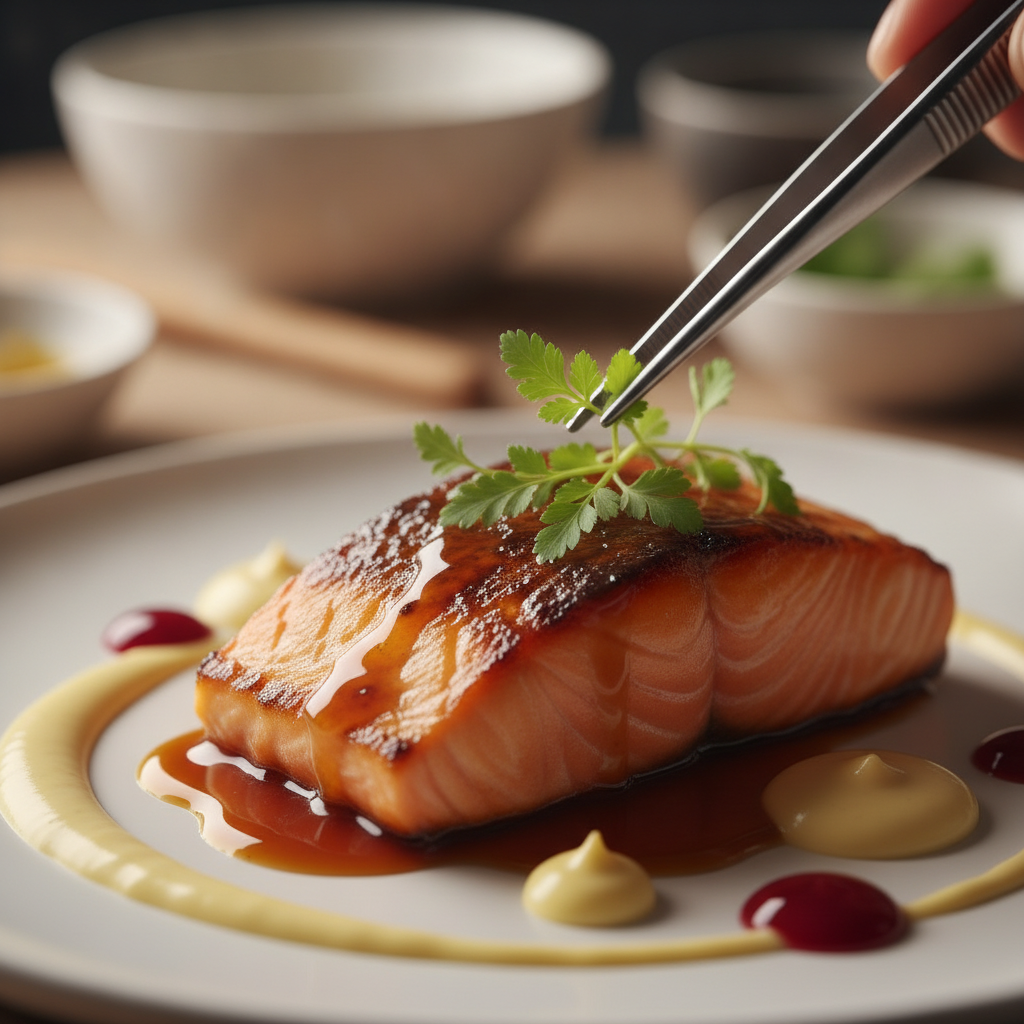
Detail matters: char on proteins, condensation on glass, fresh herbs with shape. So does restraint. Too many props feel staged. We re-use two or three surfaces and align tones with the venue’s palette—so the gallery looks cohesive, not cobbled together.
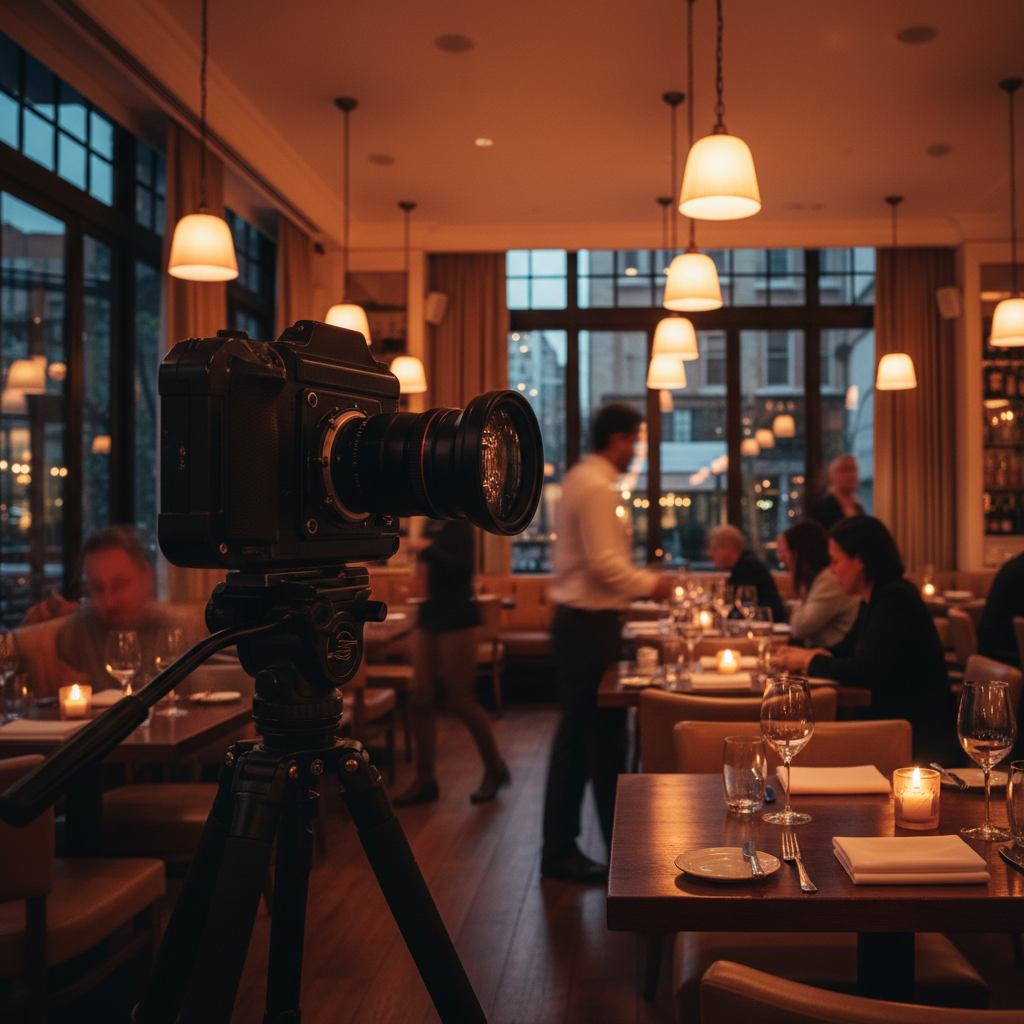
Ambiance complements accuracy. We walk the room, place frames that show table spacing, bar warmth, and the welcome at the door. Those images answer “what does it feel like?” before a guest ever calls to book.
Video and Vertical: Reels, Loops, and Motion Moments
Short-form video sells motion and sound—pours, sizzles, and clinks. Capture 6–12 second vertical clips alongside stills, lit to match your hero set. Keep cuts tight, text minimal, and color consistent. Motion libraries multiply social touchpoints without extra shoot days.
- Plan A/B clips: One tight macro, one wider ambiance version for the same action.
- Light for motion: Stable LED color, shutter-safe, and flicker-free.
- Batch posts: Schedule 2–3 loops per week from each shoot block.
Our vertical-first packages flow from the same lighting and styling as stills, so your feed feels unified even as formats change. That cohesion is vital for hospitality brands competing on speed and recognition.
Common Pitfalls (and How to Avoid Them)
Avoid staging that misrepresents the plate, mixed lighting that skews color, and rushed shot lists that miss menu drivers. Align expectations, lock color early, and review tethered at 100% with the kitchen lead. Small, repeatable habits prevent big problems.
- Reality drift: Over-styling leads to guest disappointment. Keep portions honest.
- Color shift: Tungsten + daylight without control can turn greens muddy.
- Prop overload: Too many accents dilute appetite appeal.
- Missed sellers: If it drives margin, it must have a hero and a clean standard.
We keep a live checklist on set and name files to the menu. That ensures nothing slips past a busy service window.
Templates and Checklists You Can Use
Use practical templates: a preproduction brief, a dish-by-dish shot list, and a day-of checklist. Small tools—naming conventions, export presets, and a short review rubric—prevent reshoots and keep your team aligned from camera to menu update.
Preproduction brief (copy/paste)
- Brand tone and target guest
- Menu sections and priority SKUs
- Surfaces/props and background palette
- Ambiance frames to capture
- People moments allowed (yes/no)
Day-of checklist
- Lighting locked and color checked
- Surfaces cleaned; backup linens ready
- Shot list printed with menu codes
- Tether station accessible to kitchen lead
- Export presets tested the day before
For more visual fundamentals that carry into commercial settings, our commercial property imagery guide shows how we build consistency at scale.
Integrating Photography with Brand and Campaigns
Make every image serve the brand. Repeat signature cues—surfaces, colors, glassware—and write copy that matches the vibe. Pair stills with motion, publish to owned channels first, and organize assets so seasonal refreshes take hours, not weeks.
- Brand palette: Backgrounds and linens that echo your identity.
- Lead with signature: Pair hero dishes and house cocktails front and center.
- Campaign flow: Announce, tease, release, and recap with distinct frames.
Hospitality marketing overlaps with our broader corporate photography work when venues host events and launches. The same discipline—clear briefs, repeatable lighting, honest color—keeps brands trustworthy.
Want a fast, brand-true shoot? Silver Valley Studios Inc. serves Maple Ridge and Greater Vancouver with photography, vertical video, and ambiance coverage tailored to restaurants. Share your menu priorities and timeline—we’ll map a focused shot list.
References and Context
Hospitality visuals intersect with event ambiance, menu planning, and digital touchpoints. Explore perspectives on staging and guest experience to inform your next shoot. While we focus on accuracy and brand, broader context sharpens creative choices and timelines.
Event spaces often share practical tips for room ambiance; this Mississauga venue outlines planning considerations in their banquet hall guide. Menu planning thinking from a Canadian caterer appears in this wedding catering article. And app-centric strategy threads are discussed in restaurant app ideas. Use context as inspiration—always adapt to your brand.
Restaurant Photography FAQ
Restaurant teams ask about timelines, lighting, and menu consistency. Here are clear answers you can act on today. Each response is based on our Maple Ridge and BC project workflows designed to protect service while capturing brand-true visuals.
How long does a typical restaurant shoot take?
Most hospitality shoots run a half to full day depending on menu size and interiors. We group dishes by station and capture 2–4 frames per dish (hero, standard, detail, and sometimes motion). Prelighting and a tight shot list reduce time on set.
What lighting setup works best for food?
Soft, directional light is ideal. We use window light with a large diffusion panel or a softbox off to one side, then bounce to fill shadows. For drinks and glossy sauces, we control reflections with flags and sometimes a polarizing filter.
How do we keep images accurate to the plate?
Agree on portions and plating in advance, then style lightly. We photograph while hot and garnish last so textures read correctly. Tethered review with the kitchen lead ensures color and composition match what guests receive at the table.
Do you also capture short-form video during still shoots?
Yes. We design lighting for both stills and motion, then capture quick vertical clips—pours, garnishes, slices—between plates. This creates a cohesive library for Reels or TikTok without adding separate production days.
Key Takeaways and Next Steps
Plan with intention, keep styling honest, and light consistently. Build a reusable shot system that covers menu, apps, and social. With a seasonal cadence and tight handoff, your visuals will stay fresh and persuasive without disrupting service.
- Decide goals first: reservations, delivery, or brand
- Standardize angles for menus and apps
- Use soft, directional light; protect true color
- Batch vertical clips while still shooting
- Deliver organized sets so updates are easy
Ready to plan your next menu shoot in Maple Ridge or Greater Vancouver? Share priorities and timing—our team will propose a focused, brand-true plan.
Related Topics We Cover
Hospitality photography overlaps with food styling, commercial brand work, and social-first production. Explore our related guides to build a complete visual system that supports menus, events, and ongoing content calendars across BC.
For styling depth, read our food photography guide. To scale brand visuals across locations and campaigns, see this commercial photography overview and our branding photography insights from adjacent sectors.