

Last updated: October 2026
Key takeaway:Professional photography is not a legal requirement for a restaurant in Maple Ridge, but it can be a worthwhile marketing investment when customers discover your menu, dining room, or brand online. Use professional images for important, repeat-use assets and phone content for timely updates, behind-the-scenes posts, and daily Stories.
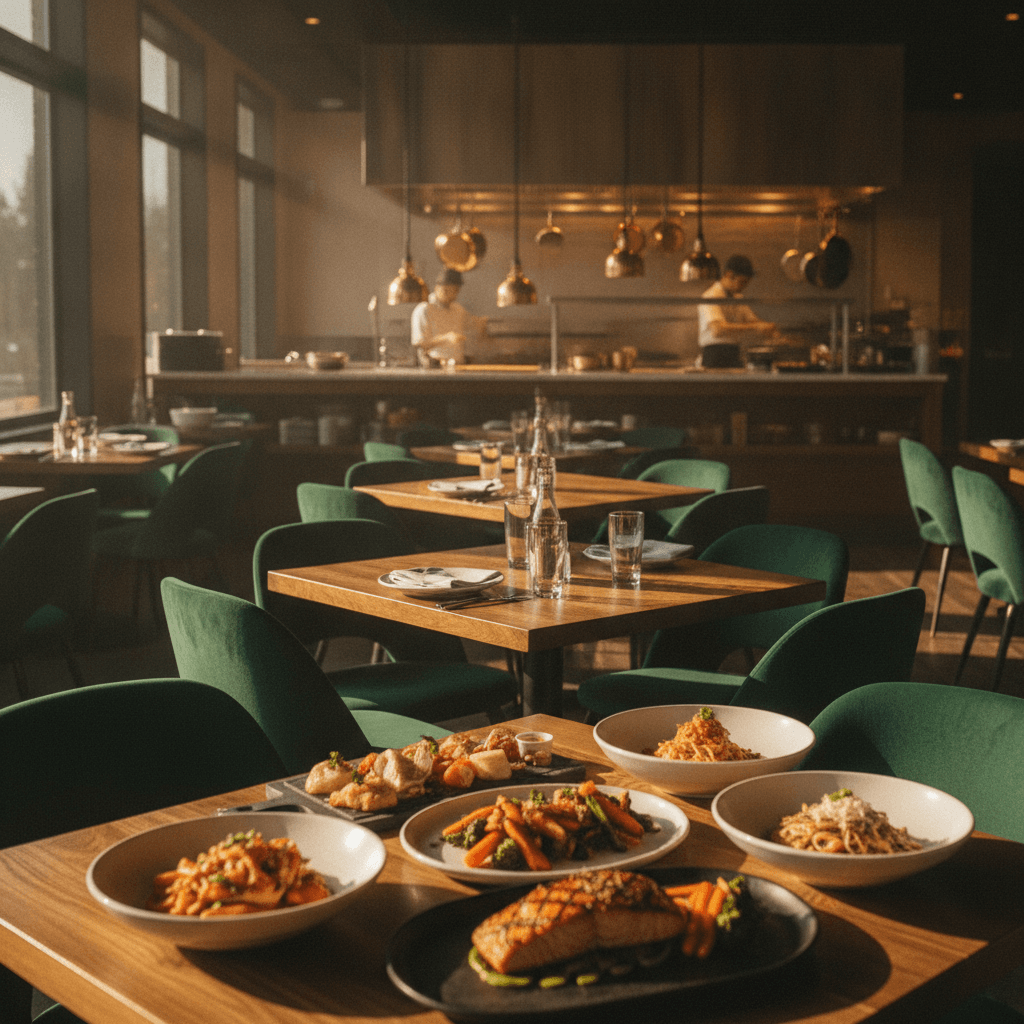
Restaurant photography helps prospective guests understand what they may order and what the dining experience may feel like before they visit. That matters on a restaurant website, Google Business Profile, social media, delivery platforms, and promotional campaigns, where images often provide the first impression.
The right decision depends on your current images, marketing goals, menu changes, and available staff time. A new opening, refreshed menu, weak online gallery, or major brand update usually gives professional photography a stronger business case than a stable restaurant that mainly relies on repeat local customers and walk-ins.
| Question | What decision does it support? |
|---|---|
| Legal requirement | No professional photography requirement has been identified for Maple Ridge or British Columbia restaurants. |
| Best use of professional images | Menu heroes, dining room, patio, bar, team, website, Google profile, and pinned social posts. |
| Best use of phone content | Daily specials, fresh bakes, staff moments, sold-out notices, and short behind-the-scenes clips. |
| Business location | Maple Ridge, with service across the Fraser Valley and Greater Vancouver. |
When professional restaurant photography is worth considering
Professional photography is usually worth considering when your restaurant depends on online discovery or needs a consistent library of images for several channels. One planned session can create assets for your menu, website, Google profile, social media, press materials, and advertising rather than requiring your team to recreate the same work repeatedly.
It is particularly useful when your current images are dark, inconsistent, outdated, heavily filtered, or unable to show the room as it really feels. It can also help when a new menu, renovation, patio, chef, private dining area, or beverage program needs to be introduced clearly.
Signs your current images need attention
- Your most important dishes are missing from your online gallery.
- Photos show different colour treatments, backgrounds, or aspect ratios.
- The dining room, patio, entrance, parking context, or bar is difficult to understand.
- Your menu or plating has changed since the existing images were made.
- Your team spends too much service time trying to produce usable content.
- Images look acceptable on a phone but become soft, dark, or poorly cropped elsewhere.
These signs do not mean every restaurant needs a large production. They indicate that a focused shot list may solve a practical marketing problem better than occasional, unplanned phone snapshots.
When phone photography may be enough
DIY content can be a sensible choice when speed matters more than polished consistency. Staff can use a phone to show a special that changes daily, a tray of fresh baking, a busy service moment, or a short preparation clip that would lose relevance if it waited for a scheduled shoot.
A simple phone-content standard
- Turn off mixed overhead lighting and use one window or one consistent light source.
- Clean the lens and choose a plain, uncluttered surface.
- Keep the dish or action as the clear focal point rather than filling the frame with props.
- Record short vertical clips of a pour, garnish, bake, or service moment.
- Check that the food, room, and portion look honest rather than relying on heavy filters.
DIY works best as an addition to a strong visual foundation. It is less effective when every important customer-facing image is improvised under dim service lighting.
Professional photography versus DIY content
| Need | Professional session | Phone content |
|---|---|---|
| Menu hero dishes | Useful for controlled light, accurate colour, and repeatable composition. | Suitable for quick updates when polish is less important. |
| Dining room and patio | Helpful for showing space, atmosphere, layout, and details clearly. | Useful for timely weather, event, or occupancy updates. |
| Google and website assets | Strong choice for evergreen images that represent the business for months. | Can work when the setting is bright, current, and carefully framed. |
| Stories and daily specials | Often unnecessary for fast-changing content. | Usually the practical choice for immediacy. |
| Reels and branded campaigns | Useful when movement, lighting, sound, and framing need coordination. | Suitable for authentic, low-production updates. |
A hybrid plan is often the most practical answer for an independent Maple Ridge restaurant: create a professional foundation, then let staff maintain activity between sessions.
What a professional restaurant shoot can capture
A restaurant session should be planned around the decisions guests make. That normally includes a selection of signature dishes, the dining room, the entrance and exterior, the patio when relevant, beverages, staff or chef portraits, and details that communicate the service style.
- Food: signature plates, shareable dishes, desserts, seasonal items, and menu combinations.
- Space: dining-room views, tables, lighting, private areas, accessibility context, and décor.
- Experience: pours, garnishes, open-kitchen movement, team interaction, and service details.
- Brand assets: team portraits, signage, packaging, pickup points, and content for campaigns.
Silver Valley Studios also offers cinematic 4K video, vertical videos, and optional drone coverage for suitable exterior views. Restaurant teams considering motion can review the Maple Ridge videography service to understand how photography and video may be coordinated in one production.

How Maple Ridge conditions affect the shoot
Maple Ridge restaurants may combine warm interior lighting with cooler daylight from windows, which can make food and wood-heavy interiors appear uneven in a single gallery. A planned session can account for those conditions by selecting consistent angles, controlling reflections, and deciding whether the room or the food should lead each frame.
Patio images also depend on weather, season, and the direction of available light. Locations near Maple Ridge Park may benefit from softer light earlier or later in the day, while a rainy period makes an indoor window setup or bar sequence a useful backup. Weekend activity around destinations such as WildPlay Maple Ridge may also make a weekday session easier on service.
Plan around the kitchen and service
Photography should not disrupt orders or force staff to remake an entire menu unnecessarily. A practical sequence is to prepare a short priority list, photograph cold dishes first, move quickly through hot plates, and finish with interiors, beverages, and team images.
Before the shoot, identify which dishes are permanent, which are seasonal, and which have changed in recipe, portion, or plating. That prevents the business from investing in images that become misleading soon after publication.
What the production process looks like
A focused restaurant session begins with a conversation about the menu, audience, platforms, and the images that are missing. The resulting shot list should reflect the restaurant’s actual priorities rather than producing a large collection of similar plates.
- Discovery: Review the brand, menu, dining experience, locations, and intended channels.
- Planning: Set the dish order, timing, props, staff availability, and an indoor backup plan.
- Shoot: Photograph priority dishes before service pressure increases, then capture the room, team, bar, and exterior.
- Post-production: Correct colour, exposure, glare, and distracting imperfections while keeping the food believable.
- Delivery: Organize files for website, Google, social channels, and future campaign use.
The production approach should stay compact and kitchen-friendly. Silver Valley Studios works with restaurants and growing brands in Maple Ridge and the surrounding region, producing photography alongside social-first vertical content when that is part of the brief.

How to decide what to book
Start with the customer journey rather than the equipment. List the places where a guest encounters your business, such as Google, your menu page, Instagram, delivery platforms, or an event page. Then identify which visual gaps could make a guest hesitate or misunderstand the offer.
Choose a focused session when
- You are opening, relaunching, renovating, or introducing a substantially different menu.
- You need a consistent image library for several locations or channels.
- You want food, space, team, and brand images from one coordinated visit.
- Your staff cannot reliably create content without interrupting service.
Choose a hybrid approach when
- You need evergreen images but also publish frequent specials and updates.
- Your menu is stable, while your social content needs a regular human voice.
- You want professional images for pinned posts and everyday phone content for Stories.
Delay a full session when
Your menu, branding, or location is about to change and the images would become outdated immediately. In that situation, use careful phone content temporarily and plan the professional session after the important decisions are final.
What affects the price of restaurant photography?
Restaurant photography is normally scoped to the project rather than priced responsibly from a generic menu. The main variables are the number of dishes, the size of the space, preparation and styling needs, shoot duration, travel, and whether the brief includes video, vertical edits, team portraits, or exterior coverage.
A smaller list of defining dishes may be more useful than photographing every item without a publishing plan. Ask for the intended deliverables, file formats, usage needs, turnaround, and whether the provider will help organize the images for the channels where guests will see them.
Why work with a Maple Ridge-based studio?
A local team can plan around the restaurant’s operating hours, seasonal patio conditions, and the practical realities of a Fraser Valley service day. Silver Valley Studios is based in Maple Ridge and serves Abbotsford, Mission, Chilliwack, Langley, Surrey, Coquitlam, Burnaby, and Richmond.
The studio’s business offerings include restaurant photography, social media content, brand visuals, cinematic video, vertical video, commercial space visuals, and drone coverage where appropriate. One coordinated team can help keep colour, framing, and storytelling consistent when a restaurant needs more than a single menu image.
Frequently asked questions
Is professional photography legally required for a restaurant in Maple Ridge?
No. Professional photography is a marketing choice, not an identified restaurant licensing or operating requirement in Maple Ridge or British Columbia. A restaurant may choose professional images when it needs stronger, more consistent visual communication.
How often should a Maple Ridge restaurant refresh its photos?
Refresh images when the menu, plating, room, branding, or seasonal experience changes. A stable menu may need less frequent coverage, while a restaurant with quarterly seasonal changes may benefit from smaller, regular updates. Phone content can fill short-term gaps between planned sessions.
Can restaurant staff mix professional photos with phone content?
Yes. Use professional images for the website, Google profile, menu highlights, and pinned social posts, then use staff-shot content for specials, preparation, and daily atmosphere. Keeping lighting, backgrounds, colour, and framing reasonably consistent will make the mix feel intentional.
What should a restaurant photograph besides its food?
Show the dining room, patio, entrance, bar, team, service details, signage, pickup flow, and any private or event space that affects a guest’s decision. The goal is to help people picture the complete visit, not just one plate.
Plan your Maple Ridge restaurant photography
Professional photography is optional, but it can give a restaurant a dependable visual foundation for online discovery and ongoing marketing. The most useful plan combines a focused shot list with realistic phone content, timed around the menu, service, and season.
To discuss a restaurant shoot, contact Silver Valley Studios Inc. with your menu priorities, current visual gaps, and the channels you use most.