

Last updated: October 2026
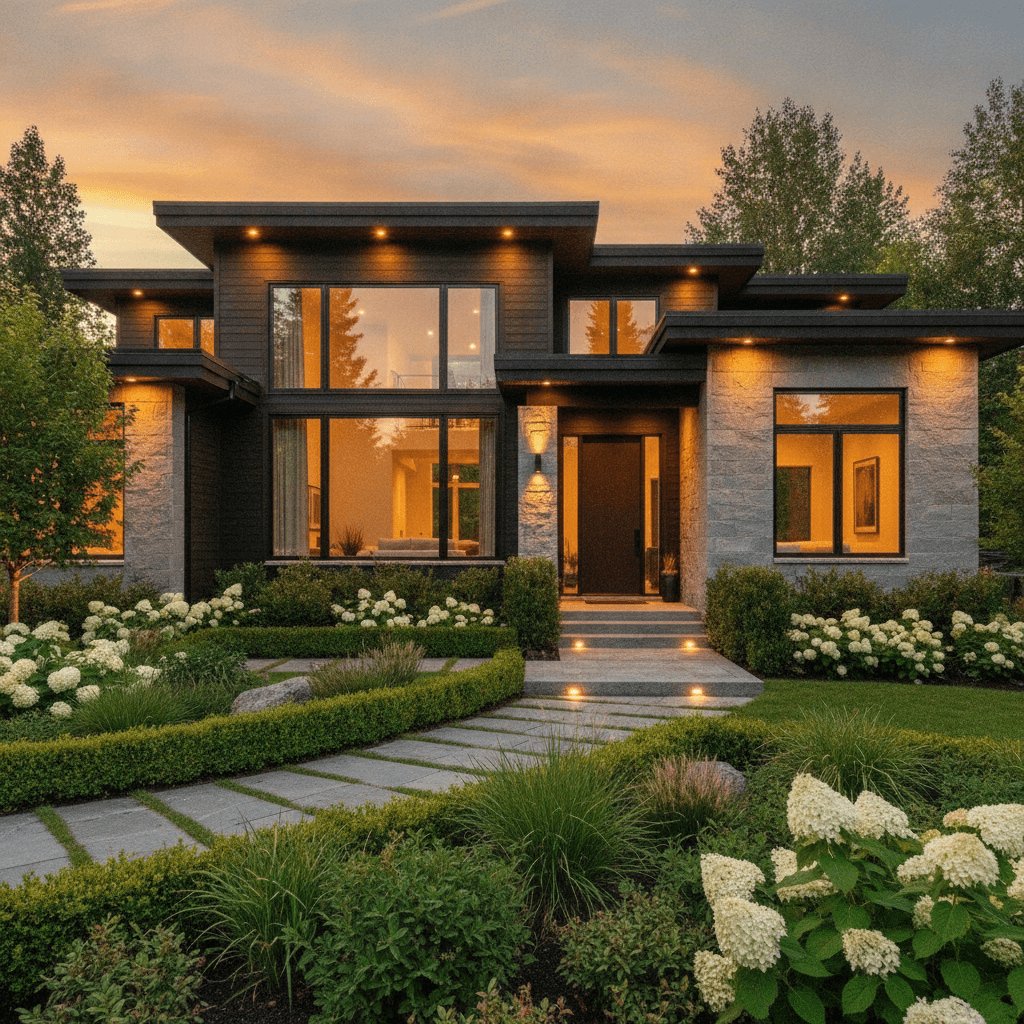
Key takeaway:Real estate photography and video combines professional listing photos, video tours, floorplans, social clips, and - when useful - drone media to present a property clearly across MLS and marketing channels. The strongest package gives buyers an accurate sense of the home’s condition, layout, flow, and setting while giving agents a coordinated set of assets for launch day.
By Sumeet S. - Founder & CEO, Silver Valley Studios Inc.
Last updated: 2026-06-24
Why photos and video work together in property marketing
Buyers often encounter a listing first as a thumbnail or short social clip. Photography has to make the property worth opening, while video and floorplans help a viewer decide whether the home deserves a showing. Treating these assets as one visual system creates a more consistent experience from the first impression through the listing page.
For Maple Ridge agents and property professionals, that means showing more than attractive rooms. A useful media package explains how rooms connect, where natural light enters, what the outdoor areas offer, and how the property sits within its surroundings. It should be polished without making the home appear materially different from reality.
- Photos establish the main visual impression and document the home’s key features.
- Video tours communicate movement, scale, and the relationship between spaces.
- Floorplans help viewers understand room arrangement and circulation.
- Vertical clips provide short-form content for social promotion.
- Drone media adds context when the lot, views, access, or surroundings matter.
These formats are complementary rather than interchangeable. A video should not simply repeat the photo gallery, and an aerial should have a clear purpose instead of being included only because it is available.
What a complete real estate media package includes
A complete real estate photography and video package commonly includes HDR still photography, a cinematic video tour, a labeled 2D floorplan, short vertical edits, and optional drone photography or video. The exact mix should reflect the property, the listing strategy, and the questions prospective buyers are likely to ask.
| Asset | Primary job | Most useful when |
|---|---|---|
| HDR photography | Show rooms, finishes, light, and condition | Every residential listing needs a clear, accurate image set |
| Video tour | Explain flow, scale, and atmosphere | The layout or lifestyle is difficult to understand from stills alone |
| 2D floorplan | Clarify arrangement and room relationships | Buyers need to compare dimensions, entrances, or flexible spaces |
| Vertical video | Generate short-form attention | The agent plans Reels, TikTok, or other mobile-first promotion |
| Drone media | Show lot, views, orientation, and surroundings | The setting contributes materially to the property’s appeal |
The goal is not to produce the largest possible number of files. It is to create a coherent set in which every asset answers a different buyer question and can be used in the channel for which it was made.
What is real estate photography and video?
Real estate photography and video is the professional creation of visual listing content for property marketing. It can include still photographs, walkthrough videos, vertical social edits, 2D floorplans, and aerial imagery, all planned around the way buyers discover and evaluate a home.
At Silver Valley Studios Inc., the production approach connects capture, editing, and delivery rather than treating each format as a separate job. The photographer considers the future video path while shooting stills, the editor maintains consistent color between photos and motion, and the floorplan supports the same layout story shown in the tour.
HDR photography for accurate room presentation
Bracketed exposures can help balance bright windows with darker interiors. The finished image should retain useful detail, natural color, and straight architectural lines without making the room look brighter, larger, or more renovated than it is.
Video tours for flow and scale
A steady room-to-room sequence helps a viewer understand transitions that are difficult to infer from isolated images. Thoughtful pacing is more important than constant movement: the camera should pause long enough for important features to register and should avoid distracting spins or exaggerated perspectives.
Floorplans for layout confidence
A labeled 2D floorplan gives buyers another way to assess the property. It can clarify the position of bedrooms, stairs, storage, utility areas, and flexible rooms before a buyer commits time to an in-person visit.
Drone photography and video for setting
Aerial content is most useful when it reveals something a ground-level camera cannot, such as a large lot, water or mountain outlook, unusual orientation, or connection to nearby open space. It should be captured and presented responsibly, with the property’s actual boundaries and surroundings represented honestly.
How the production process works
A dependable real estate media workflow has four stages: planning, capture, post-production, and delivery. Confirming the scope before the appointment protects the schedule and makes it easier to deliver the right files for the listing launch.
1. Plan the property story
Start by identifying the home’s strongest features and any areas that need careful explanation. Confirm access, occupancy, pets, parking, special amenities, preferred delivery formats, and whether aerial coverage is appropriate. A short brief can also identify the order in which rooms should appear in the video.
- List the rooms, exterior areas, amenities, and views that require coverage.
- Note features such as a renovated kitchen, suite, workshop, deck, or unusual layout.
- Confirm whether the agent needs landscape, portrait, or both video orientations.
- Schedule around the best available interior and exterior light.
2. Prepare and capture
Before the first frame, walk through the property to identify distractions and staging changes. Open blinds where appropriate, switch on practical lights, remove personal items, and check that driveways and entrances are presentable. Capture stills with controlled perspectives, then record smooth movement that supports the floorplan and listing narrative.
Interior photography often benefits from a tripod, bracketed exposures, and wide lenses used with restraint. Video benefits from a stabilized camera, deliberate starts and stops, and enough footage at each composition to allow a clean edit. Drone work requires a separate safety and access check before launch.
3. Edit for consistency and accuracy
Post-production should create a consistent set rather than a collection of unrelated files. Color should remain believable from one room to the next, vertical architectural lines should be controlled, and edits should remove distractions without changing physical characteristics of the property.
For British Columbia real estate advertising, imagery must not be altered in a way that misrepresents the property. Removing a temporary distraction may be acceptable in some contexts, but changing a permanent feature or removing a nearby physical element can create a misleading impression. Agents should review the final assets against the property before publication.
4. Deliver files for each channel
Delivery should make the media easy to use under listing-day pressure. A typical handoff can include web-ready stills, a main 16:9 tour, portrait social cuts, floorplan exports, and clearly organized aerial files. File names and folders should distinguish the main assets from optional social versions so the team can publish without searching through duplicates.
| Stage | Key decision | Output |
|---|---|---|
| Planning | What must buyers understand? | Coverage brief and schedule |
| Capture | Which viewpoint best explains each feature? | Still, motion, floorplan, and aerial source files |
| Post-production | How can the set stay polished and truthful? | Color-matched edited assets |
| Delivery | Where will each asset be published? | Organized MLS, web, and social files |

How to choose the right media mix
Not every property needs every format at the same level. The best decision starts with the buyer question that remains unanswered after the basic photo gallery. If the question concerns flow, prioritize video; if it concerns arrangement, prioritize a floorplan; if it concerns setting, consider aerial imagery.
Use photography as the foundation
Professional photography is the baseline because it supplies the gallery, listing thumbnails, and many of the images used in promotion. A useful set should cover the front approach, principal living areas, bedrooms, bathrooms, kitchen, storage, outdoor spaces, and meaningful details without padding the gallery with repetitive frames.
Add video when movement explains value
A video tour is particularly useful for open-concept homes, multi-level properties, homes with indoor-outdoor transitions, and spaces where scale is hard to judge from still images. Keep the route logical and show how a viewer moves through the home rather than presenting a series of disconnected cinematic shots.
Add a floorplan when layout is a decision barrier
Floorplans are valuable for townhomes, split-level homes, properties with secondary accommodation, and listings with flexible or unusually shaped rooms. Clear labels matter more than decorative styling. The graphic should support the written listing and be checked for legibility on a mobile screen.
Add vertical edits for social distribution
Portrait clips can turn the strongest moments from a full production into short posts for mobile feeds. Lead with a visually clear feature, keep the framing readable without sound, and direct viewers toward the complete listing rather than treating a short clip as a replacement for the property tour.
Add drone media when context changes the decision
Drone footage can be worthwhile for acreage, view properties, homes beside parks, waterfront settings, distinctive lots, or developments where orientation is important. It is less useful when the surrounding context does not add information or when the footage would be a generic repetition of the exterior.

Preparing a Maple Ridge listing
Maple Ridge properties can benefit from media that shows both the home and its usable outdoor context. Decks, patios, yards, views, parking, and the relationship between the building and the lot should be considered during the planning call rather than discovered accidentally on shoot day.
Before the appointment
- Remove clutter, cords, bins, excess furniture, and personal photographs.
- Replace burnt bulbs and use consistent light sources where possible.
- Open curtains and blinds, but check that window views are presented accurately.
- Clear entrances, driveways, patios, and the areas immediately around the home.
- Arrange pets, vehicles, occupants, and access codes before the crew arrives.
During the shoot
Soft overcast conditions can provide even exterior light, while a clear late-day window may be useful for a warm exterior or sunset sequence. Outdoor coverage should be planned around the property’s actual strengths instead of relying on a generic set of angles. If the production takes place on private property or involves a larger filming operation, confirm with the City of Maple Ridge whether a permit or additional coordination is required.
Silver Valley Studios Inc. is based in Maple Ridge and serves communities including Mission, Abbotsford, Langley, Surrey, Coquitlam, Burnaby, Richmond, and the surrounding regional market. Travel, access, and property characteristics can affect the most practical capture plan, so the address and required deliverables should be confirmed in advance.
Quality and compliance checklist
Strong listing media is both attractive and dependable. Before publishing, the agent or listing team should verify that the images, video, floorplan, captions, and description describe the same property and do not imply features that are absent.
- Check that color and brightness remain believable across the photo set.
- Confirm that rooms and features shown in the media match the current property.
- Review edits for altered architectural features, misleading removals, or exaggerated views.
- Make sure the floorplan labels agree with the listing details.
- Watch the video on a phone and desktop to check framing, pacing, and readability.
- Confirm that aerial content represents the property and surroundings accurately.
- Use the appropriate file orientation and resolution for each publishing channel.
For broader market context when planning a listing campaign, review the available real estate marketplace insights. The practical value of that research is deciding which property features deserve emphasis, not copying a generic visual style.
Tools, workflow, and delivery expectations
Equipment supports quality, but a repeatable workflow usually has a greater effect on the client experience. A professional real estate media team should be able to explain how it protects files, maintains color consistency, stabilizes video, and prepares exports for different uses.
- Full-frame mirrorless cameras and suitable wide-angle lenses for controlled interior coverage.
- Tripods, exposure bracketing, and careful perspective control for architectural stills.
- Gimbals or other stabilization tools for smooth walkthroughs.
- Separate microphones when an agent-led or narrated segment needs clear speech.
- Backups from capture through export to reduce the risk of lost listing assets.
- Delivery presets for MLS, websites, print, and portrait social formats.
Agents who want to compare still-image priorities can use this real estate photography guide. For motion-specific planning, the realtor videographer guide explains how a video-focused production can support the listing story.
Frequently Asked Questions
What is included in real estate photography and video?
A typical package can combine professional still photography, a video tour, a labeled 2D floorplan, short vertical clips, and optional drone photos or video. The final scope should match the property and the channels where the listing will be promoted. Confirm the included deliverables, formats, and intended turnaround before booking.
How should I prepare a home for a real estate media shoot?
Declutter surfaces, remove personal items and visible cords, replace burnt bulbs, open suitable window coverings, and clear entrances and outdoor areas. Arrange pets, vehicles, occupants, and access in advance. A clean, prepared property lets the crew spend more time capturing useful angles and reduces the chance of reshoots.
Is a video tour worth adding to property photos?
A video tour is useful when movement, scale, or room connections are important to the buyer’s decision. It can show how spaces relate to one another in a way that a gallery cannot. It should complement accurate still photography and a clear listing description, not replace them.
When should a listing include drone photography or video?
Consider drone media when the lot, views, orientation, outdoor living space, or surrounding area contributes meaningfully to the property’s value. A few purposeful angles are usually more useful than generic aerial footage. Confirm access, safety requirements, and any applicable local filming considerations before scheduling the flight.
Plan your next listing media package
Silver Valley Studios Inc. can help Maple Ridge and regional property professionals plan a coordinated set of photos, video, floorplans, vertical edits, and drone coverage. Start with the property, the buyer questions, and the launch channels, then select only the formats that make the listing clearer and more useful.
Plan a real estate photography and video session with the studio.