

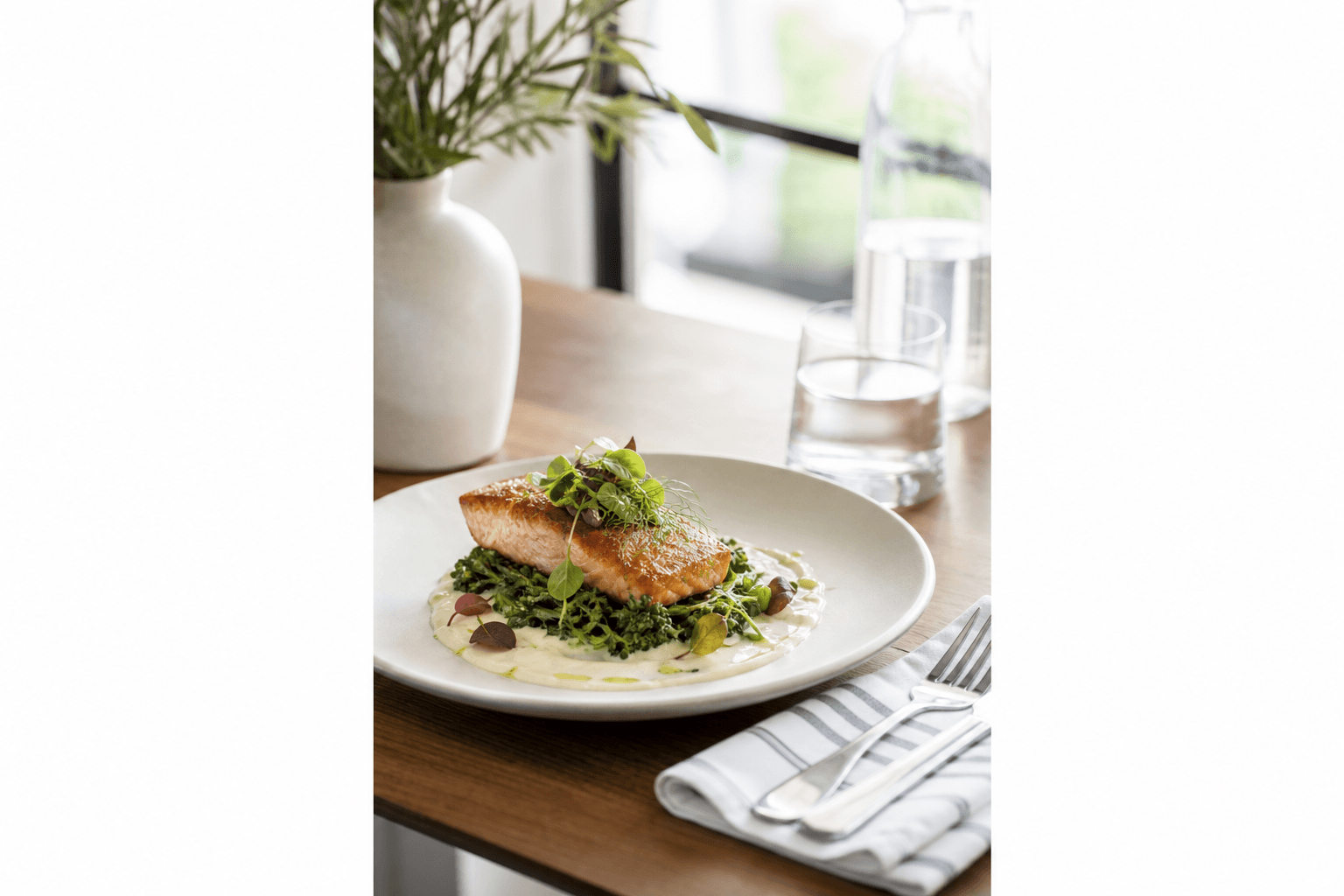
Restaurant social media photography works best when it begins with a clear content decision. Do you mainly need appetizing images of signature dishes, a stronger sense of atmosphere, vertical assets for social channels, or promotional video that shows movement and personality?
The right answer may be a combination, but every restaurant does not need the same shoot. Start with the dishes, spaces, and marketing uses that matter most, then brief your photographer or content provider around those priorities. A coordinated session can support social media, menus, websites, delivery listings, and promotions without creating a collection of disconnected images.
Quick summary

- Choose the main purpose first: dishes, atmosphere, social-first content, or promotional storytelling.
- List signature, seasonal, and new menu items, then separate must-have images from optional shots.
- Request vertical stills or video in advance if you need content for stories, reels, or short-form campaigns.
- Prepare the food, dining space, staff, packaging, and brand references before the shoot.
- Confirm formats, locations, approval responsibilities, and intended uses in the pre-shoot brief.
Choose the Right Restaurant Content for Your Goal
Restaurant content creation usually combines several visual types, but each one does a different job. Comparing them before booking helps you spend the session on assets your restaurant can actually use.
| Content type | Best for | Plan before the shoot | Useful channels |
|---|---|---|---|
| Food photography | Showing dishes clearly and attractively | Dish priorities, plating, ingredients, props, and preparation timing | Menus, websites, delivery listings, posts, and promotions |
| Atmosphere photography | Communicating the restaurant’s setting and personality | Dining room styling, lighting, staff moments, kitchen activity, and exterior details | Websites, social posts, campaigns, and brand materials |
| Vertical stills | Social-first publishing and mobile viewing | Portrait framing, crops, background space, and intended platforms | Stories, posts, announcements, and short-form campaigns |
| Promotional video | Showing energy, process, atmosphere, or a sequence of moments | Story idea, actions, people involved, locations, sound, and shot order | Reels, short-form video, website pages, and promotions |
Many restaurants need clear food images first, then add atmosphere or video when the brand needs more context. A new menu launch may require dish photography and vertical clips, while a restaurant opening may benefit from a wider mix of food, interiors, staff, and promotional storytelling.
For more ideas about matching dishes and formats to a restaurant’s marketing uses, review these restaurant photography ideas before finalizing your brief.
Food Photography for Menus, Websites, and Social Posts

Food photography should make each priority dish recognizable, appealing, and consistent with how it is served. Begin with the items that define the restaurant, receive seasonal attention, or are being launched soon. New dishes may need both a clean hero image and supporting views that show ingredients, texture, or presentation.
Build the list around actual uses. A menu or delivery listing may need a clear, uncluttered view, while a social post may allow more creative styling, surrounding ingredients, or a wider scene. If the same dish will appear in several places, discuss whether one composition can be adapted or whether separate orientations are more practical.
Consistency matters when several dishes appear together. Decide in advance whether the collection should feel bright and clean, warm and intimate, minimal and modern, rustic and handmade, or bold and energetic. Share references from your website, signage, packaging, dining room, social feeds, and previous campaigns.
Atmosphere and Brand Photography for the Full Restaurant Experience
Dish images explain what customers can order. Atmosphere and brand photography help explain what it feels like to visit, who prepares the food, and what makes the restaurant distinct. These images can include the dining room, kitchen, staff, packaging, exterior, service moments, or details that reflect the brand.
You do not need every category in every session. A small café may prioritize counter service, coffee preparation, seating, and packaging. A full-service restaurant may need table settings, staff interaction, kitchen movement, exterior signage, and wider room views.
Plan the environment as carefully as the dishes. Remove distracting items, check signage and table settings, confirm which areas can be photographed, and identify moments that happen naturally during service or preparation. A practical restaurant photography planning approach can help you decide which spaces deserve time.
When to Request Vertical Photos and Video
Standard food photography and social-first content are related, but they are not identical. If you need images for mobile-first publishing, say so before production. Vertical stills can provide portrait-oriented views for stories, announcements, and social posts, while wider images may be more useful for websites, menus, or banner placements.
Video becomes useful when movement or sequence is part of the message. It can show a dish being finished, a busy dining room, a chef’s process, a delivery order being packed, or the transition from ingredients to presentation. A short promotional concept should have a beginning, middle, and end rather than being a random collection of clips.
Specify whether you need vertical video, still photographs, or both. Also discuss whether the content should feel polished and cinematic, quick and energetic, intimate and behind-the-scenes, or aligned with an existing brand style.
Silver Valley Studios provides restaurant photography alongside promotional content, videography, and vertical video services. A supplied restaurant review describes the studio’s promotional video work as professional, creative, collaborative, and responsive to the restaurant’s vision. That is useful context when evaluating a provider, but it is not a substitute for discussing your own project requirements.
For a broader explanation of the planning process, see this guide to creating promotional content for restaurants.
Build a Restaurant Social Media Photography Shot List
A shot list turns a general request for “social media photos” into an achievable production plan. Divide it into must-have, useful, and optional content so the most important assets are captured first if time or food preparation changes.
- Priority dishes: Include signature items, seasonal offerings, new launches, drinks, desserts, or items receiving promotional attention.
- Supporting food details: Note ingredients, preparation steps, garnishes, textures, pouring, slicing, or plating moments.
- Dining environment: Identify the dining room, counter, patio, kitchen, signage, tables, lighting, and exterior views.
- People and process: Decide whether staff, chefs, service, guests, hands, or behind-the-scenes activity should appear.
- Packaging and takeaway: Include branded containers, delivery presentation, bags, labels, or catering details when relevant.
- Formats: Mark each priority as landscape, portrait, square, vertical, still, video, close-up, or wider scene.
Keep the list specific enough to guide the shoot but flexible enough to account for real food preparation. Identify who is responsible for plating each dish and which items must be photographed immediately after preparation.
A detailed restaurant photography checklist can help organize priorities, platforms, styling, locations, preparation, and approval.
What to Include in the Pre-Shoot Brief
The pre-shoot brief should give the content provider enough information to make sound decisions on location. Start with the restaurant’s identity and the result you need, such as a new menu library, a launch announcement, updated website imagery, or recurring social assets.
- Creative direction: Describe the desired mood and provide visual references, including examples to avoid.
- Priority uses: List menus, websites, delivery listings, social media, advertising, packaging, or other placements.
- Required formats: Identify portrait, landscape, square, vertical, photo, video, and known crop needs.
- Locations: Confirm whether the shoot includes the dining room, kitchen, staff areas, packaging, patio, or exterior.
- Food preparation: Assign plating responsibility, confirm ingredient availability, and plan dish timing.
- People and permissions: Identify participants and who can approve the creative direction.
- Delivery expectations: Discuss deliverables, review process, intended uses, and timing.
If photography and video are being captured together, include both in the brief rather than adding video informally on the day. The provider may need to plan space, lighting, actions, staffing, and dish preparation differently for moving images.
Should You Combine Photography With Promotional Video?
Combining both can make sense when a restaurant is launching a new menu, introducing a signature item, opening a location, refreshing its website, or building a broader content library. Photography provides clear, reusable dish imagery. Video adds movement, atmosphere, process, and sequence.
The tradeoff is planning complexity. Video may require an agreed concept, actions to perform, people to participate, and additional time for scenes that do not need to be repeated for still photography. If the immediate need is accurate menu or delivery imagery, photography may be the more focused choice.
If the restaurant wants both, organize the session around shared priorities. Capture the hero dish photograph while the plate is at its best, then film preparation or serving moments separately where appropriate.
Questions to Ask Before Booking a Restaurant Content Provider
- Have you created food, restaurant, atmosphere, or promotional content before?
- Can you provide the mix of dish images, atmosphere photos, vertical content, and video we need?
- How will you plan the shot list and coordinate dish preparation?
- Which locations, people, packaging, and service moments should be included?
- What formats and orientations will be delivered?
- Who reviews the creative direction, and how are revisions handled?
- What information do you need about our brand before the shoot?
- Can photography and promotional video be planned as one coordinated session?
Silver Valley Studios Inc. is based in Maple Ridge, British Columbia, and serves regional communities including Greater Vancouver. Its verified services include restaurant photography, promotional content, videography, and vertical video, making it reasonable to ask about a combined brief when a restaurant needs both still and moving content.
Restaurant Social Media Photography FAQ
Do restaurants need food photography or atmosphere photography for social media?
Begin with the content that addresses the immediate priority. Food photography is essential when dishes, menus, delivery listings, or a new menu launch need attention. Atmosphere photography is useful when the dining experience, setting, staff, or brand personality needs stronger representation.
Should a restaurant photographer also create vertical video or reels?
Not necessarily, but it is worth asking when the restaurant needs social-first content. Vertical video requires different planning from still photography, including actions, timing, sequence, and often people or preparation scenes.
What should a restaurant prepare before a social media photography shoot?
Prepare the priority dish list, plating plan, brand references, locations, staff availability, packaging, props, and intended formats. Decide who will approve the creative direction and final priorities. Clean and organize the spaces that will appear.
Can food photography and promotional video be captured during the same restaurant session?
Yes, if both are included in the brief early enough. Photography can document clear dish views, while video can capture preparation, atmosphere, service, or other sequences. Agree on the concept, locations, participants, and priority deliverables before production.
Plan the Shoot Around the Content You Need Most
The strongest restaurant social media photography plan starts with a practical hierarchy. Choose the dishes and business uses that matter most, then add atmosphere imagery when the setting or brand needs context. Request vertical stills or video when mobile-first publishing, movement, or storytelling is part of the goal.
A clear shot list and pre-shoot brief help the provider protect important images, coordinate food preparation, and create a consistent library across menus, websites, delivery platforms, social media, and promotions. The goal is not to collect every possible image. It is to create the right assets for the restaurant’s next marketing priorities.
For restaurant photography, promotional video, vertical video, and related brand content in Maple Ridge and the surrounding region, contact Silver Valley Studios Inc. with your restaurant’s priorities, locations, formats, and preferred shoot timing.